Mô tả
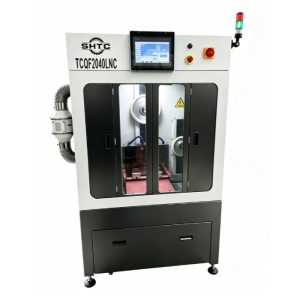
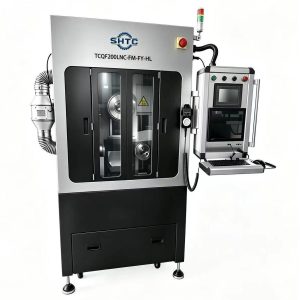
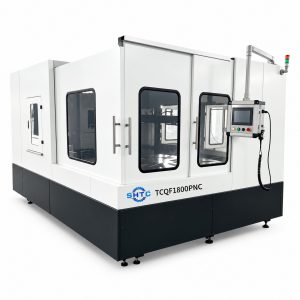
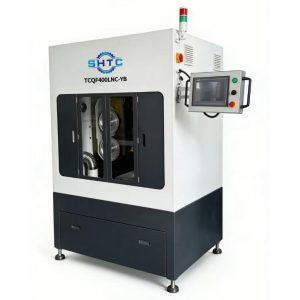
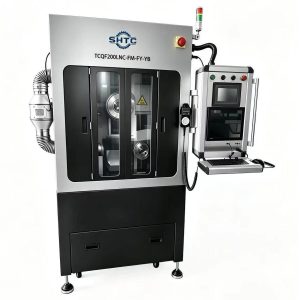
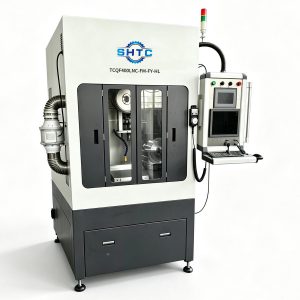
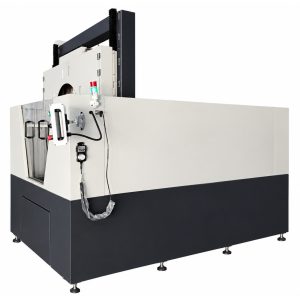
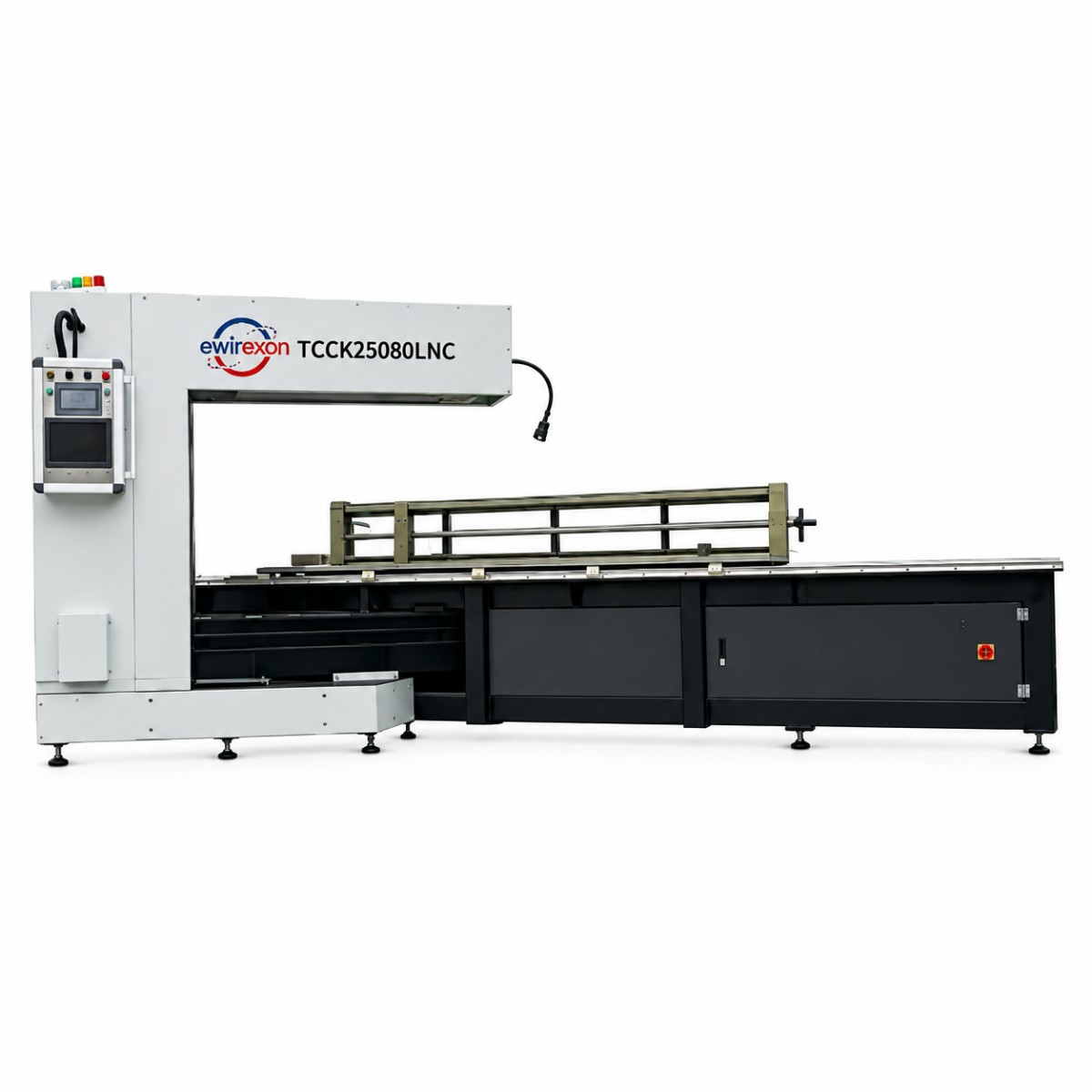
This Diamond Ring Saw (Single-Wire Saw) is purpose-configured for research infrastructure in photonics, optoelectronics, and advanced materials science labs. It delivers the exceptional motion control required for sectioning delicate, anisotropic, and highly brittle substrates — especially sapphire and optical glass — without chipping, microcracking, or thermal distortion.
Its defining capability is sub-micron feed resolution: X/Y axis movement is precisely adjustable from 0.01 to 35 mm/s, enabling controlled, repeatable kerf formation during slow-feed sectioning protocols common in crystallographic or waveguide fabrication studies. Simultaneously, the programmable wire tension system (0–500 N) allows researchers to dynamically match mechanical load to material fracture toughness — critical when transitioning between sapphire (hard, cleavage-sensitive) and optical glass (viscoelastic, stress-concentration-prone).
The saw’s structural rigidity — built with Q235 steel frame, SS304 wet-zone components, and 6061 aluminum motion interfaces — ensures vibration damping essential for cleanroom-grade stability. At 380 V / 7.2 kW, it operates efficiently within standard lab power infrastructure while maintaining CE compliance for safe integration into university cleanrooms and shared core facilities.
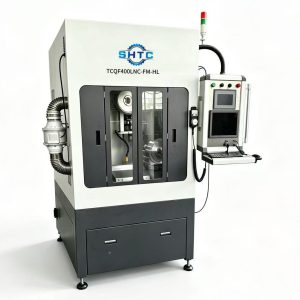
Diamond ring saw for high-fidelity sectioning of sapphire, optical glass, and brittle optical materials in photonics, optoelectronics, and advanced materials science labs.
This precision single-wire diamond ring saw is purpose-built for demanding sectioning tasks in academic and industrial photonics laboratories. It enables repeatable, low-damage slicing of highly anisotropic and fracture-sensitive materials—including sapphire wafers, fused silica, BK7, and other optical glasses—without microcracking, chipping, or thermal distortion. Its sub-micron X/Y feed resolution (0.01–35 mm/s) supports delicate crystallographic orientation alignment and waveguide substrate preparation, while the fully programmable wire tension system (0–500 N) adapts dynamically to material-specific fracture behavior. Constructed with a vibration-damped Q235 steel frame, SS304 wet-zone components, and 6061 aluminum motion interfaces, it delivers cleanroom-grade mechanical stability. Certified to CE standards and designed for integration into shared core facilities, it operates reliably on standard 380 V lab power infrastructure.