Mô tả
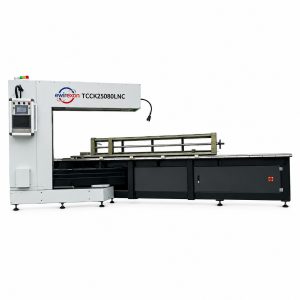
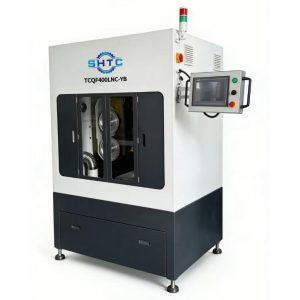
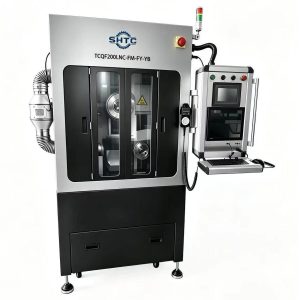
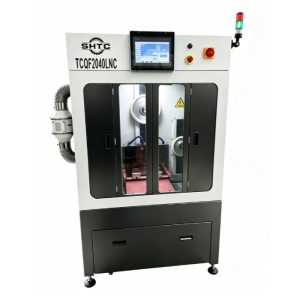
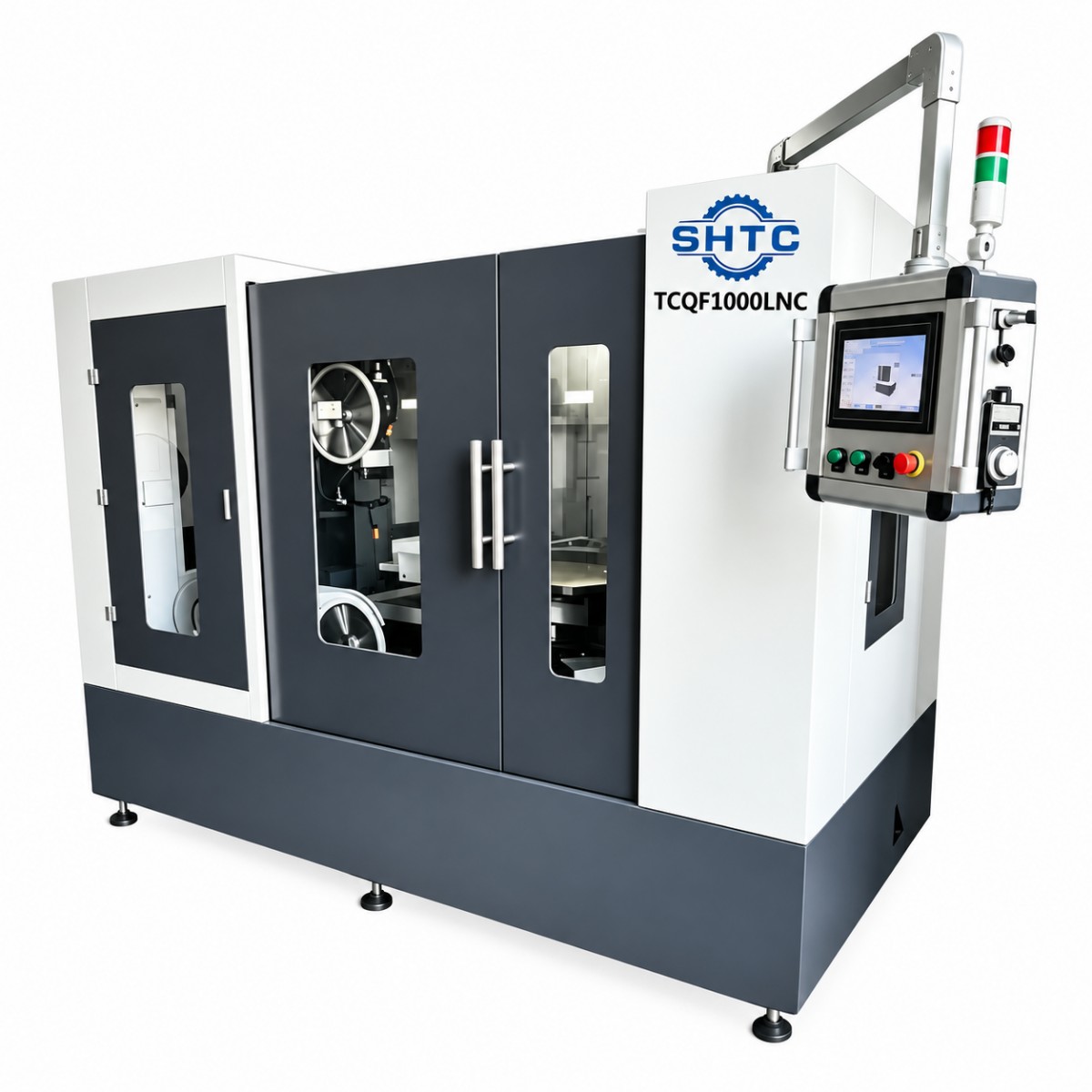
Engineered for demanding energy and advanced manufacturing environments, this diamond ring saw is purpose-suited for processing graphite electrodes and structural components where dimensional stability, surface integrity, and operator safety are critical. Its single-wire architecture — combined with fine-tuned tension control (0–500 N), ultra-precise feed rates (0.01–35 mm/s), and variable wire speed (0.1–35 mm/s) — ensures clean, chip-free cuts through highly conductive, brittle graphite without delamination or edge crumbling.
The system’s closed-loop motion design and rigid Q235+SS304+6061 frame minimize vibration during high-precision passes, reducing kerf loss and extending electrode service life. Integrated dust management compatibility (when paired with optional extraction) helps meet occupational exposure limits for graphite particulates — a key requirement in battery cell production, nuclear component fabrication, and EDM electrode preparation.
As confirmed by its validated application scope, this diamond ring saw supports graphite cutting as a core use case — alongside optical glass, sapphire, ceramics, semiconductor packaging materials, and CFRP composites.
Precision diamond ring saw for clean, low-dust graphite electrode cutting—optimized for battery anodes, nuclear moderators, and EDM tooling with adjustable tension, speed, and feed to prevent chipping and airborne hazards.
This diamond ring saw is purpose-built for industrial-grade processing of brittle, conductive graphite electrodes—critical components in lithium-ion battery anode production, nuclear moderator fabrication, and EDM tooling. Its single-wire architecture delivers chip-free, dimensionally stable cuts by combining ultra-fine tension control (0–500 N), sub-millimeter feed precision (0.01–35 mm/s), and variable wire speed (0.1–35 mm/s). The rigid hybrid frame (Q235 structural steel + SS304 + 6061 aluminum) suppresses vibration during high-accuracy passes, minimizing kerf loss and preserving electrode integrity. Integrated dust management compatibility supports compliance with occupational exposure limits for graphite particulates—essential in battery cell cleanrooms and nuclear component workshops. Validated beyond graphite, it also processes optical glass, sapphire, technical ceramics, semiconductor packaging substrates, and CFRP composites with consistent surface quality and edge fidelity.