Описание
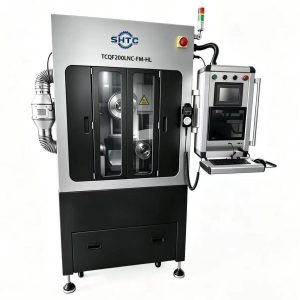
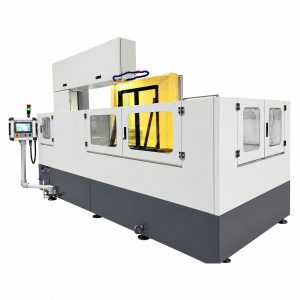
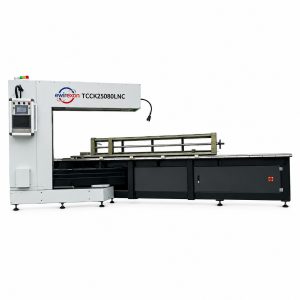
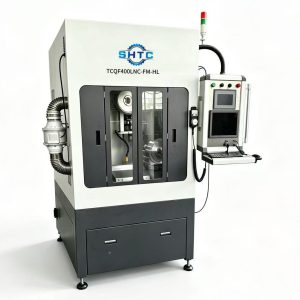
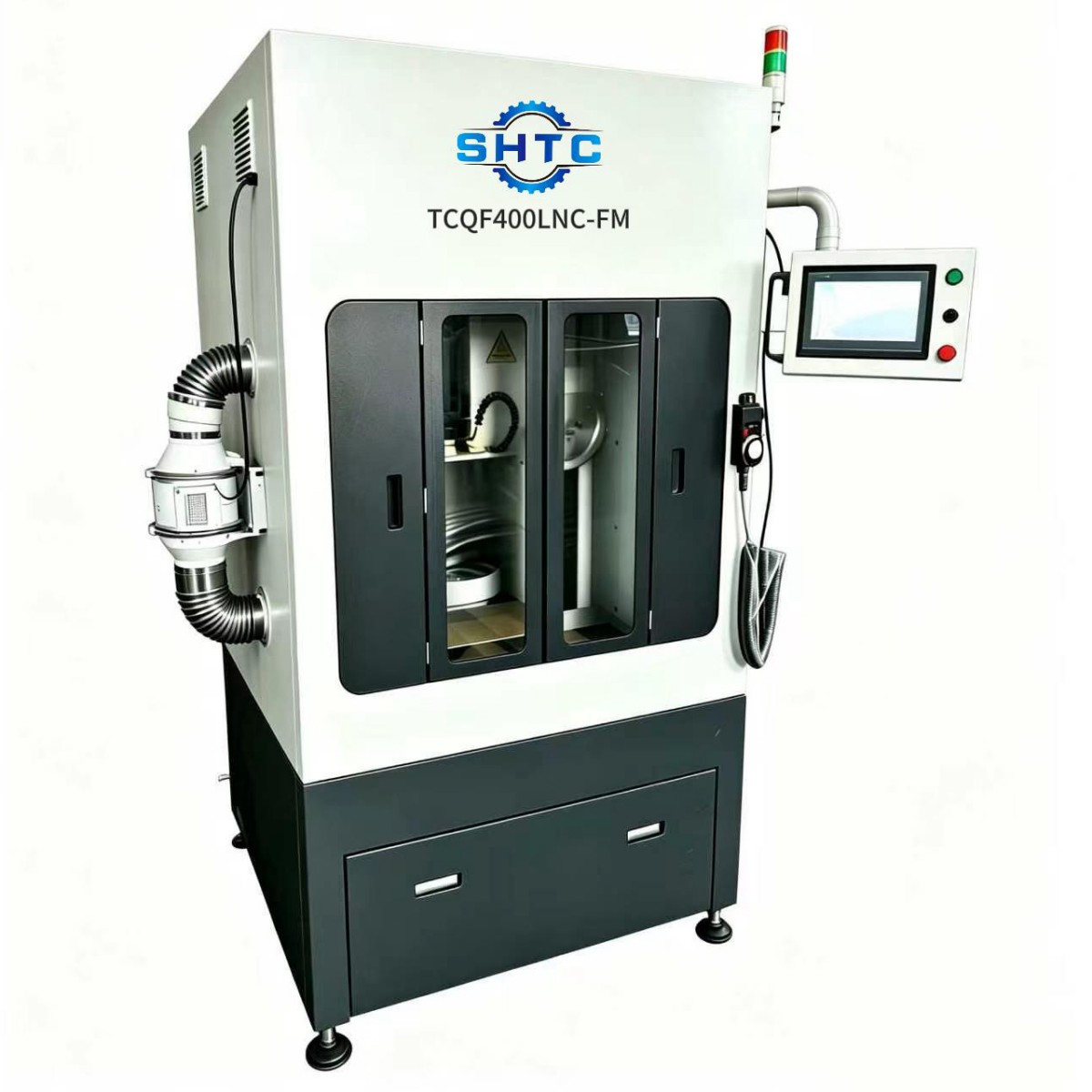
For Nigerian universities and emerging photonics startups fabricating high-value optical components — such as laser-grade windows, precision prisms, and custom collimators — material loss from kerf width and fracture during conventional sawing directly undermines ROI on expensive optical blanks. This diamond ring saw (single-wire saw) delivers lab-grade control to preserve yield and dimensional fidelity.
Unlike abrasive or blade-based circular saw machines, it uses a tensioned, diamond-impregnated wire with fully programmable feed rates (0.01–35 mm/s) and ultra-fine speed adjustment (0.1–50 mm/s), enabling gentle, vibration-minimized cuts through brittle optical materials. Its sub-millimeter kerf reduces material waste by up to 70% compared to diamond-blade alternatives — essential when working with costly sapphire or fused silica blanks.
Built for reliability in variable power environments, it operates at 220V with only 1.5 kW draw and includes CE certification for safe integration into university clean labs or compact startup workshops. The rigid Q235+SS304+6061 frame ensures thermal and mechanical stability during extended slicing runs — critical for maintaining flatness and parallelism in optical substrates.
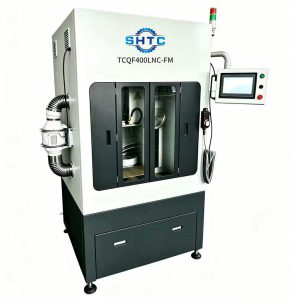
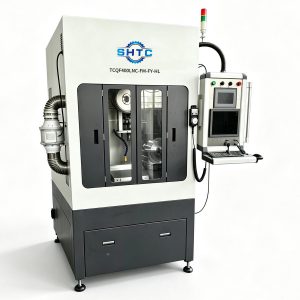
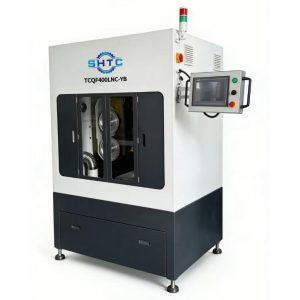
Lab-scale diamond ring saw (single-wire) for ultra-precise, low-kerf slicing of optical glass, sapphire, and precision ceramics — critical for R&D on laser windows, prisms, and custom photonics components in Nigerian academic and startup labs.
Engineered for demanding photonics R&D environments, this diamond ring saw (single-wire) delivers exceptional control when slicing brittle, high-value optical materials — including fused silica, laser-grade sapphire, BK7 and SF10 optical glass, precision ceramics, and CFRP composites. Its programmable feed rates (0.01–35 mm/s) and ultra-fine wire speed adjustment (0.1–50 mm/s) enable gentle, fracture-free cuts critical for maintaining surface flatness, parallelism, and edge integrity in laser windows, prisms, collimators, and custom substrates. With a sub-millimeter kerf, it reduces material waste by up to 70% versus conventional diamond-blade methods — directly improving yield on costly optical blanks. Built for reliability in variable power conditions, it operates efficiently at 220V with only 1.5 kW draw and meets CE safety standards for integration into university clean labs or compact startup workshops. The hybrid Q235+SS304+6061 frame ensures thermal and mechanical stability during extended runs, preserving dimensional fidelity across production batches.