Описание
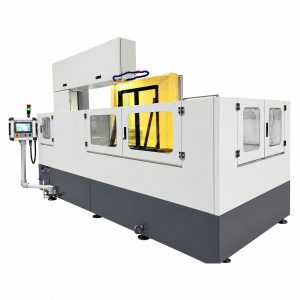
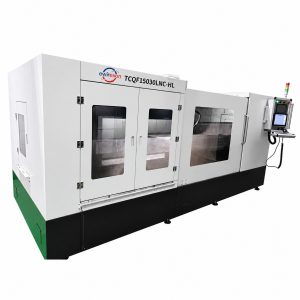
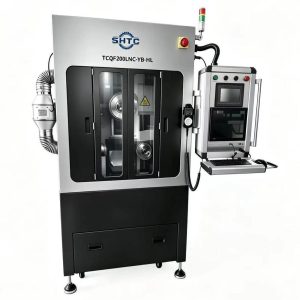
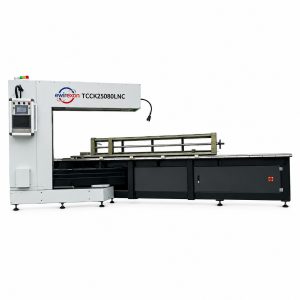
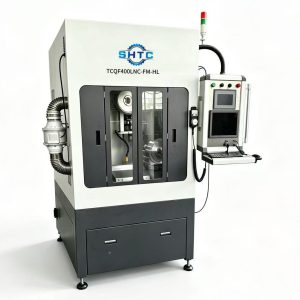
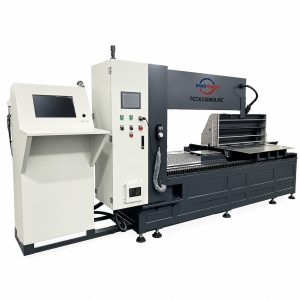
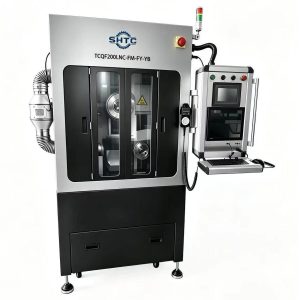
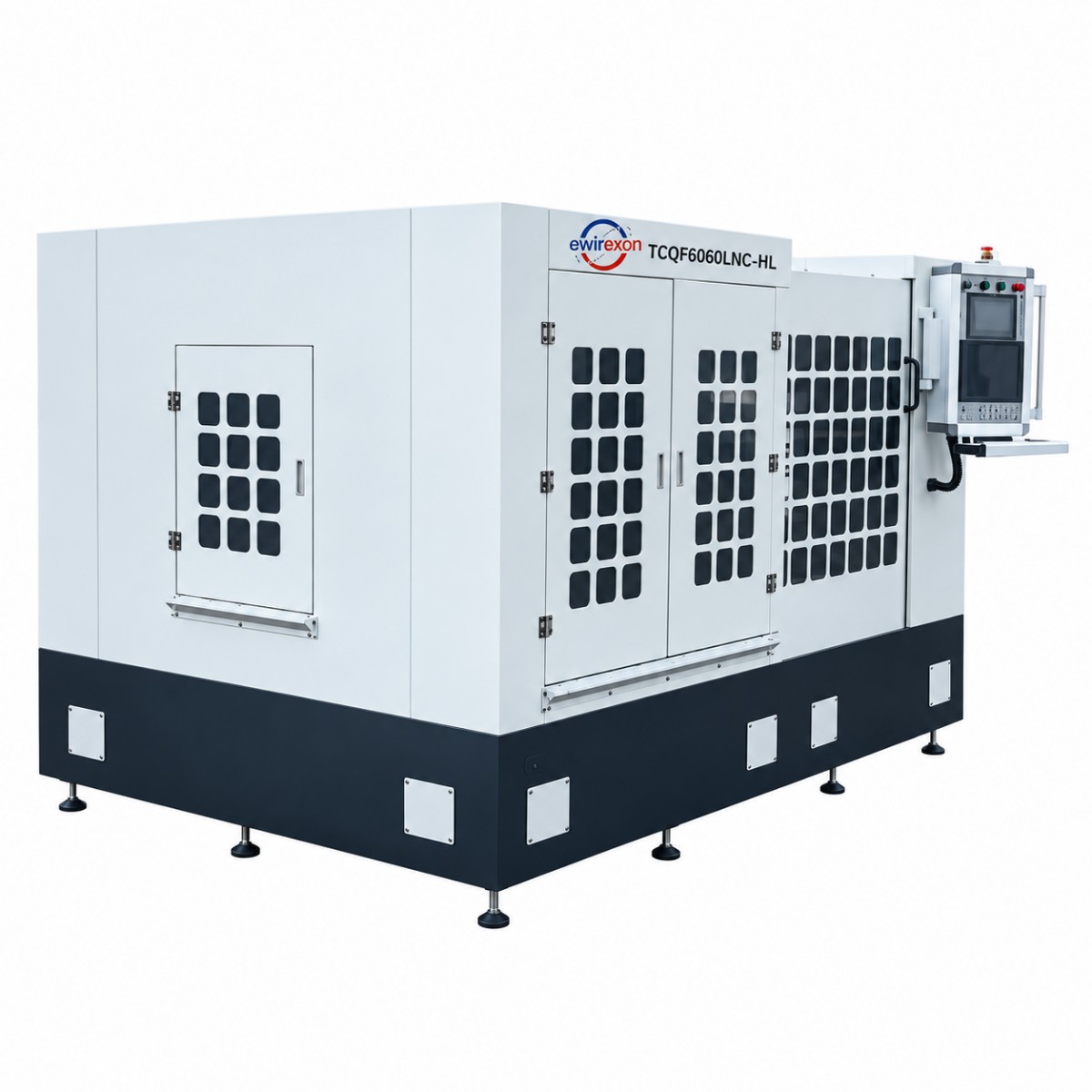
For manufacturers requiring metrologically stable, stress-free slicing of advanced ceramics—especially alumina, zirconia, and silicon carbide—this diamond ring saw (single-wire) provides a validated alternative to abrasive grinding and milling. Unlike rotary or multi-blade methods, its single-diamond-wire architecture eliminates lateral forces and thermal shock, preserving structural integrity critical for cyclic-load applications like orthopedic implants and aerospace sensors.
The system’s programmable feed rates (0.01–35 mm/s), ultra-fine wire speed control (0.1–35 mm/s), and precise tension regulation (0–500 N) enable consistent kerf width and surface finish across batches—supporting traceable process documentation required under ISO 13485 and electrical safety compliance per IEC 60664. Its rigid Q235+SS304+6061 frame ensures long-term geometric stability during extended runs on brittle, high-hardness substrates.
No customization is needed to begin processing precision ceramics: the standard configuration fully supports this application, as confirmed by the manufacturer’s stated scope: ‘Applications: Cutting of optical glass, sapphire, precision ceramics, graphite, semiconductor packaging materials and CFRP composites.’
Single-wire diamond ring saw for stress-free, metrologically stable slicing of precision ceramics—enabling compliant production of orthopedic implants, sensor housings, and high-voltage insulators without grinding-induced microfractures.
This diamond ring saw (single-wire) is purpose-built for manufacturers producing mission-critical ceramic components where microstructural integrity directly impacts performance and regulatory compliance. It enables controlled, low-residual-stress slicing of advanced ceramics—including alumina, zirconia, and silicon carbide—without the microfractures, thermal distortion, or edge chipping associated with abrasive grinding or multi-blade sawing. Its programmable feed rates (0.01–35 mm/s), ultra-fine wire speed control (0.1–35 mm/s), and precise tension regulation (0–500 N) ensure repeatable kerf width and surface finish across production batches. The rigid Q235+SS304+6061 frame maintains geometric stability during extended runs on brittle, high-hardness substrates—critical for orthopedic implants, aerospace sensor housings, and high-voltage ceramic insulators. Fully validated for use under ISO 13485 and aligned with IEC 60664 electrical safety requirements, it delivers traceable, documentation-ready slicing without customization.