Descrição
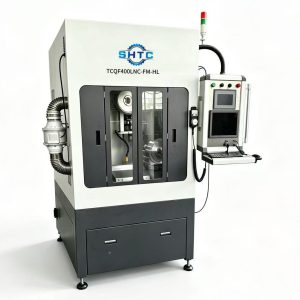
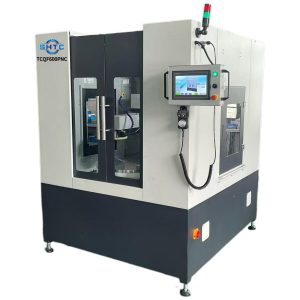
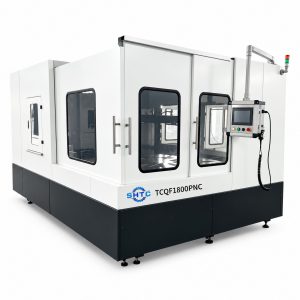
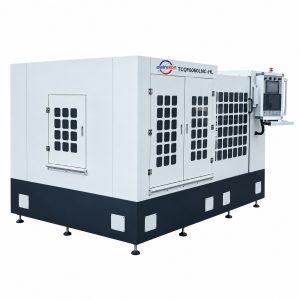
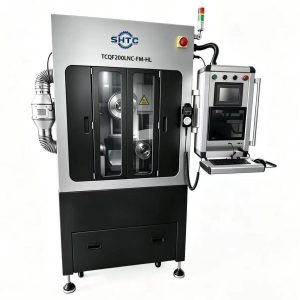
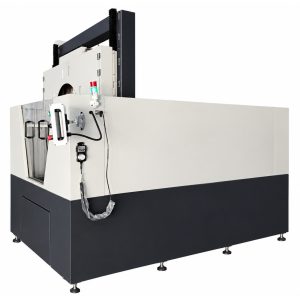
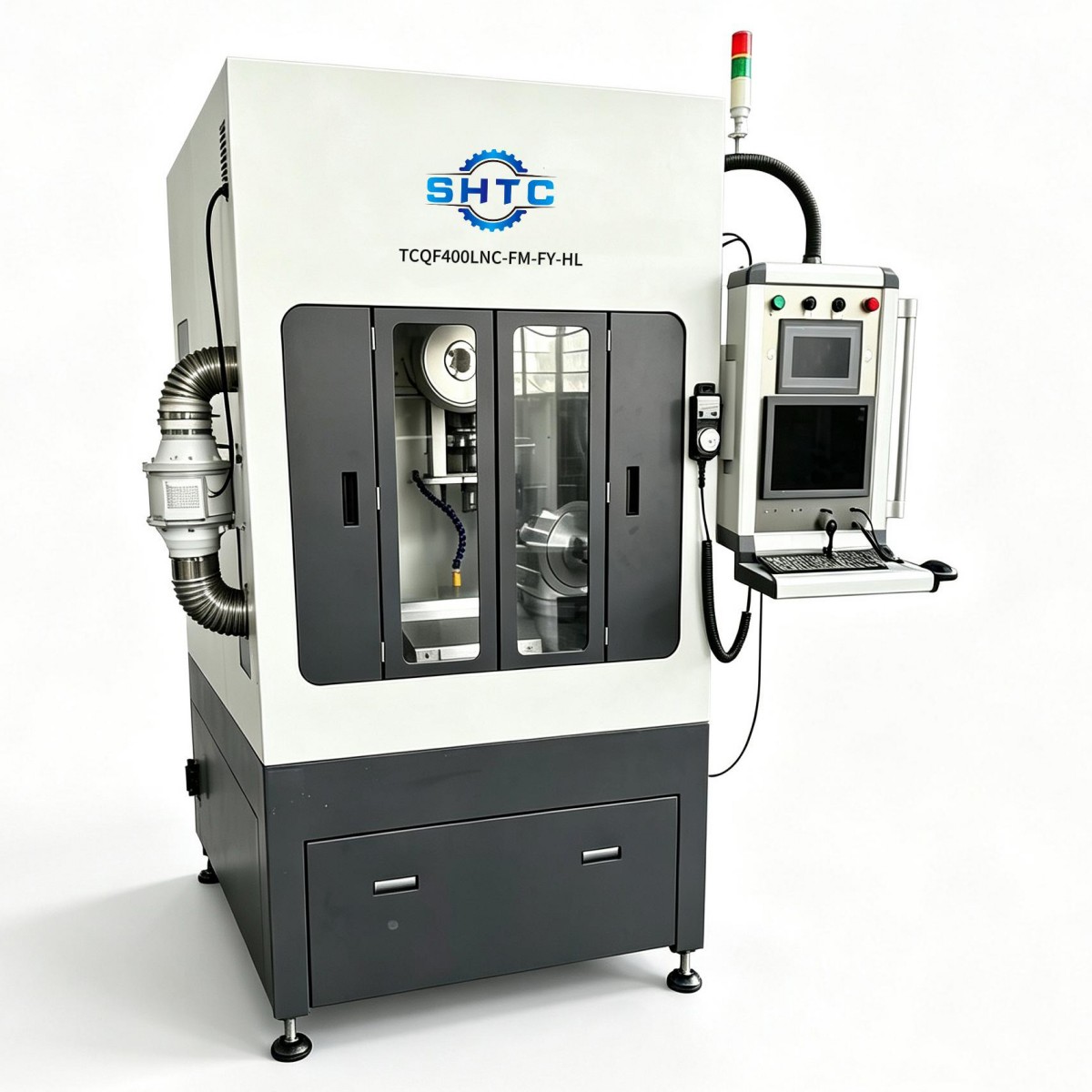
This diamond ring saw is specifically applied in institutional fusion energy programs — including Ireland’s contributions to ITER-related infrastructure — where material integrity under neutron irradiation is non-negotiable. It enables fully traceable, repeatable sectioning of radiation-resistant graphite and high-purity precision ceramics, meeting stringent QA requirements that standard workshop saws cannot satisfy.
Its closed-loop wire tension control (0–300 N), ultra-fine X/Y axis feed rate (0.01–35 mm/s), and adjustable wire speed (0.1–50 mm/s) ensure dimensional stability across serial cuts — critical when qualifying components for plasma-facing applications. Constructed with Q235 structural steel, SS304 stainless, and 6061 aluminum, the frame resists thermal drift and mechanical creep during extended qualification runs.
CE-certified and built for integration into controlled laboratory environments, this saw supports the full lifecycle of nuclear-grade material testing: from pre-irradiation baseline slicing to post-irradiation examination preparation — all without compromising microstructural fidelity.
Industrial diamond ring saw for micron-accurate, QA-compliant cutting of nuclear-grade graphite and precision ceramics in fusion energy and nuclear materials research.
This industrial diamond ring saw is purpose-built for the most demanding nuclear materials applications — especially in fusion energy R&D, including Ireland’s contributions to ITER infrastructure. It delivers fully traceable, repeatable sectioning of neutron-irradiation-resistant graphite and ultra-high-purity precision ceramics, maintaining microstructural fidelity from pre- to post-irradiation examination. Featuring closed-loop wire tension control (0–300 N), ultra-fine programmable feed rates (0.01–35 mm/s), and adjustable wire speed (0.1–50 mm/s), it ensures dimensional stability across serial cuts required for plasma-facing component qualification. Its robust frame — constructed from Q235 structural steel, SS304 stainless, and 6061 aluminum — minimizes thermal drift and mechanical creep during extended qualification runs. CE-certified and designed for integration into controlled laboratory environments, it supports the full lifecycle of nuclear-grade material testing while meeting stringent regulatory and quality assurance protocols.