Description
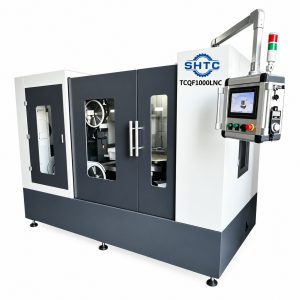
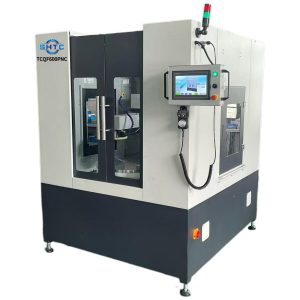
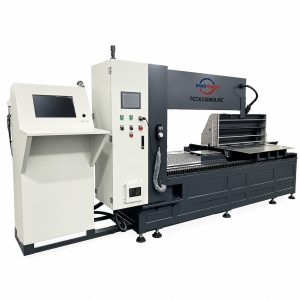
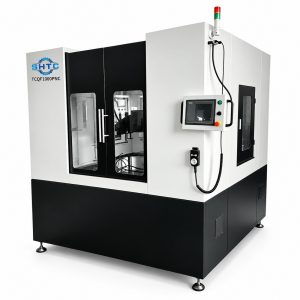
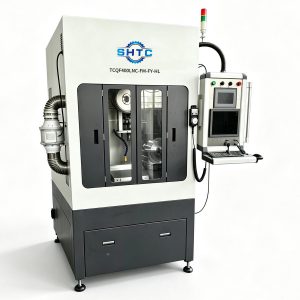
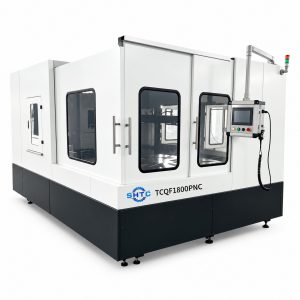
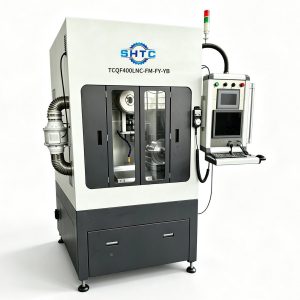
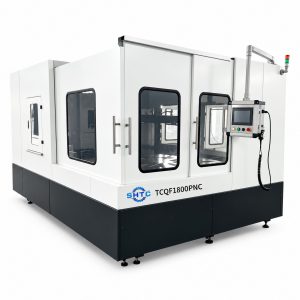
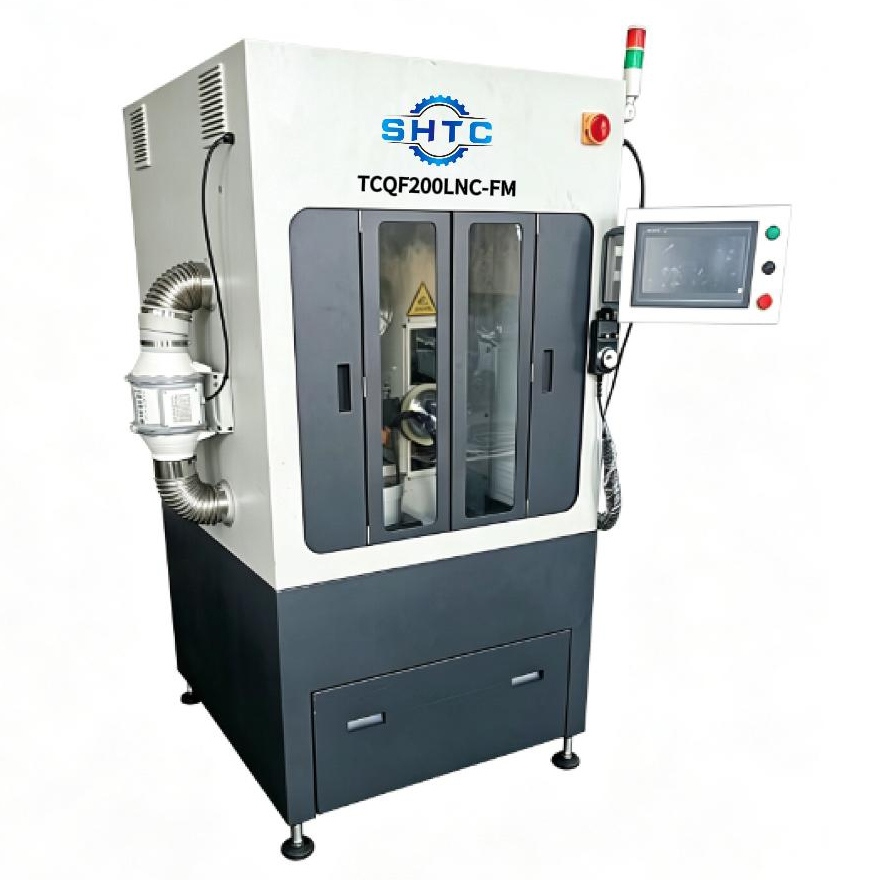
This diamond ring saw (single-wire saw) delivers micron-level dimensional accuracy and minimal subsurface damage when sectioning precision ceramics—critical for aerospace-grade structural parts and biocompatible medical implant prototypes. Unlike abrasive grinding or milling, its controlled wire tension (0–300 N), ultra-fine feed rates (0.01–35 mm/s), and adjustable wire speed (0.1–50 mm/s) preserve ceramic microstructure integrity during lab-scale sample preparation.
Designed specifically for Singapore-based test labs requiring ISO-compliant material characterization, it supports common technical ceramics including alumina (Al₂O₃), silicon nitride (Si₃N₄), and zirconia—materials frequently specified in turbine seal rings, MEMS substrates, and orthopedic implant trials. The CE-certified system integrates seamlessly into cleanroom-adjacent lab environments with its compact footprint (1050×950×1820 mm) and low-power 2.4 kW consumption.
Its Q235 structural frame, SS304 wet-zone components, and 6061 aluminum motion assemblies ensure long-term stability under repeated thermal and mechanical cycling—essential when processing high-hardness ceramics that demand consistent kerf width and edge quality across hundreds of cuts.
Single-wire diamond ring saw for subsurface-damage-free sectioning of alumina, silicon nitride, and zirconia ceramics in aerospace component validation and medical implant prototyping labs.
This precision ceramic sectioning saw is purpose-built for R&D laboratories supporting high-stakes material development in aerospace and medical device sectors. Using a single diamond-impregnated wire under precisely controlled tension (0–300 N) and ultra-fine feed rates (0.01–35 mm/s), it achieves clean, subsurface-damage-free cuts in fine-grained technical ceramics—including alumina (Al₂O₃), silicon nitride (Si₃N₄), and zirconia—without microcracking or thermal distortion. Its performance is critical for preparing representative samples used in turbine seal ring qualification, MEMS substrate analysis, and orthopedic implant biocompatibility trials. Designed for ISO-compliant material characterization workflows, the system operates reliably in cleanroom-adjacent environments with minimal footprint (1050×950×1820 mm) and low power draw (2.4 kW). Constructed with Q235 structural framing, SS304 wet-zone components, and 6061 aluminum motion assemblies, it maintains dimensional stability across repeated thermal and mechanical cycles—ensuring consistent kerf width and edge quality over hundreds of cuts.