Description
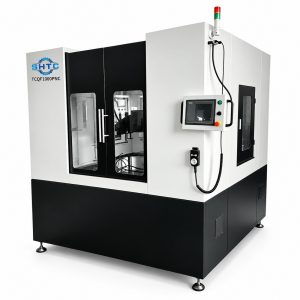
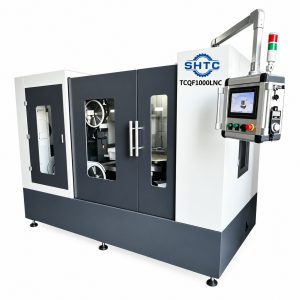
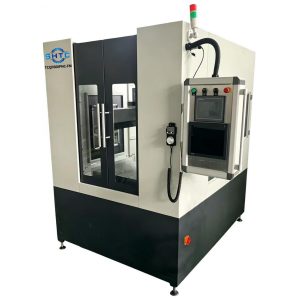
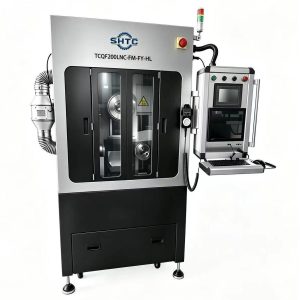
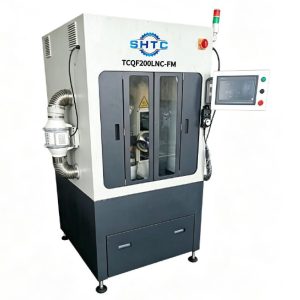
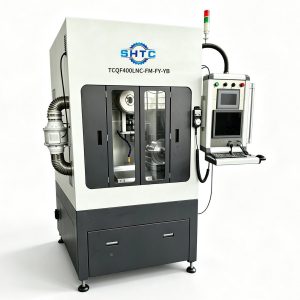
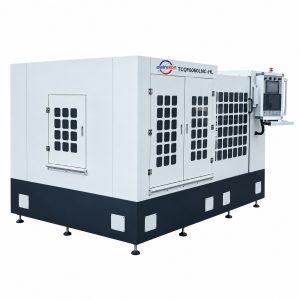
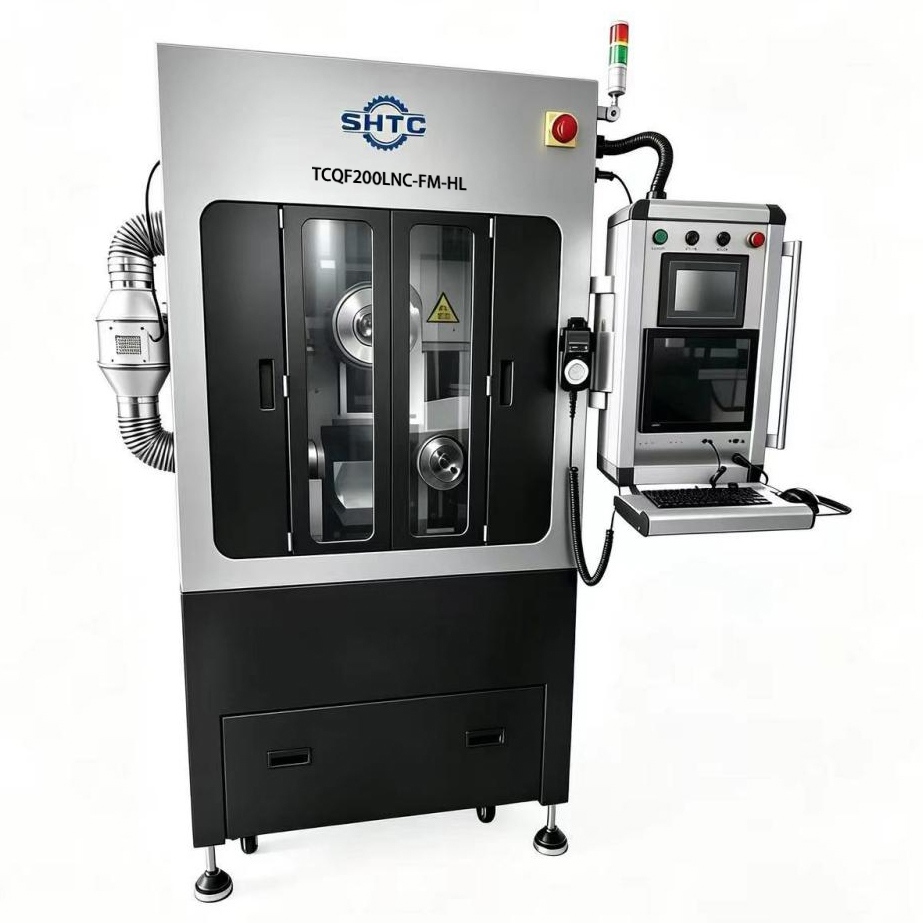
Engineered specifically for demanding technical ceramic applications, this diamond ring saw replaces conventional abrasive grinding with a controlled, single-wire diamond slicing process that maintains microstructural integrity. It enables clean, parallel kerf cuts in dense, brittle ceramics like Al2O3, ZrO2, and Si3N4—materials widely used in orthopedic implants, MEMS-based aerospace sensors, and ultra-high-vacuum chamber components.
The system’s variable wire speed (0.1–50 mm/s) and fine-tuned tension control (0–300 N) allow operators to optimize cut parameters for each ceramic grade and geometry, minimizing subsurface damage and eliminating the thermal shock and mechanical loading that cause microcracking or intergranular fracture. Its X/Y feed rate precision (0.01–35 mm/s) ensures repeatable positioning for batch production of small-diameter sensor housings or dental abutment blanks.
Constructed with Q235 structural steel, SS304 stainless, and 6061 aluminum, the machine provides rigid stability during extended runs—critical when slicing thin-walled ceramic insulators or multi-layer co-fired substrates. CE-certified and built for integration into cleanroom-adjacent or controlled-environment manufacturing cells.
Single-wire diamond ring saw for ultra-precise, low-heat slicing of technical ceramics—including alumina, zirconia, and silicon nitride—used in medical implants, aerospace sensors, and vacuum components.
This precision diamond ring saw delivers controlled, single-wire slicing for demanding technical ceramic applications—replacing abrasive grinding with a thermally gentle, mechanically stable process. Designed for materials including alumina (Al2O3), zirconia (ZrO2), and silicon nitride (Si3N4), it enables repeatable, parallel-kerf cuts in brittle, fine-grained ceramics used in orthopedic implants, aerospace-grade MEMS sensor housings, ultra-high-vacuum chamber parts, and dental abutment blanks. Variable wire speed (0.1–50 mm/s), precise tension control (0–300 N), and sub-micron X/Y feed accuracy (0.01–35 mm/s) minimize subsurface damage, microcracking, and residual stress. Built with Q235 structural steel, SS304 stainless, and 6061 aluminum, it ensures rigidity during extended runs—critical for thin-walled insulators or multi-layer co-fired substrates. CE-certified and compatible with cleanroom-adjacent manufacturing environments.