Description
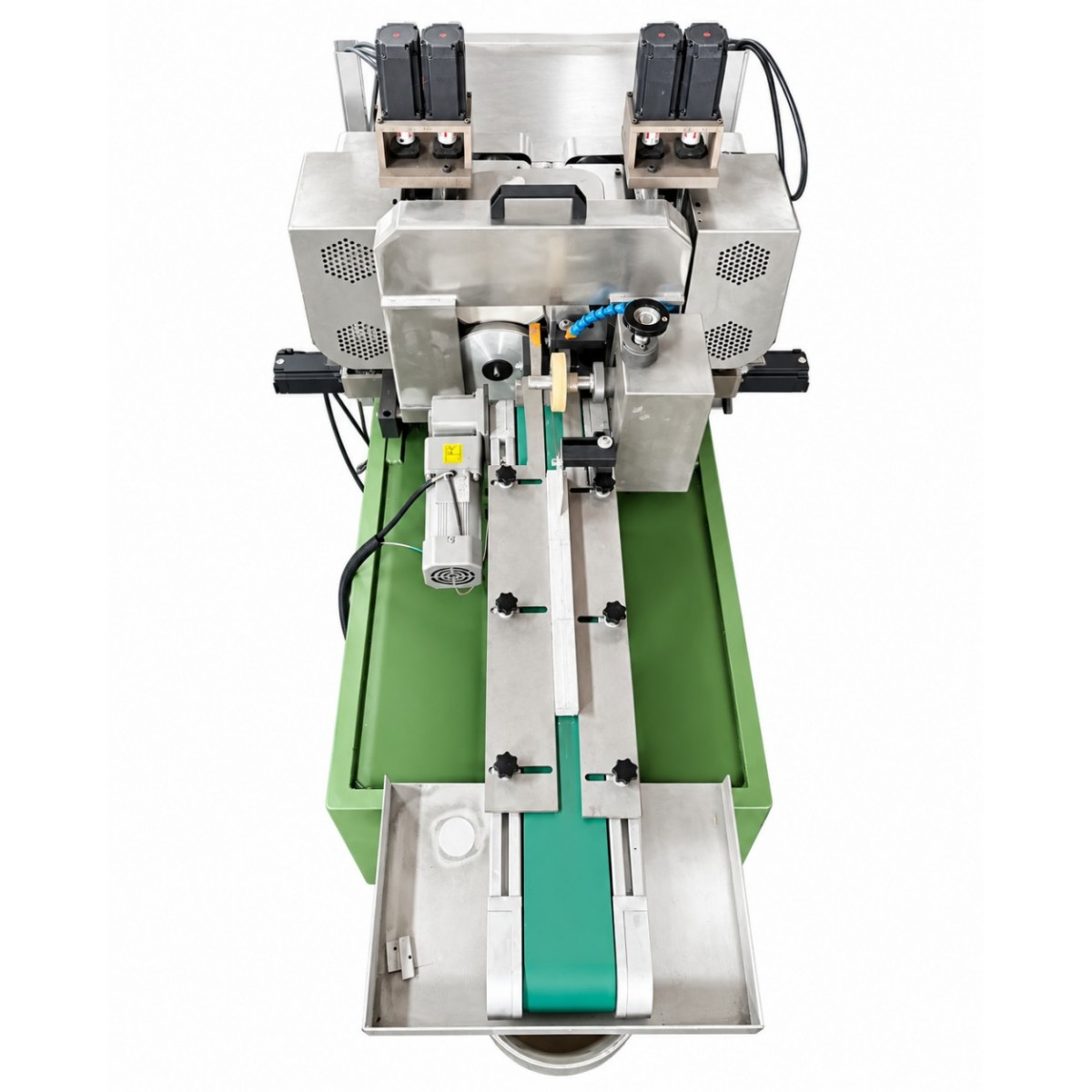
This glass grinder is purpose-built for B2B advanced materials processing, supporting the critical edge preparation step for precision ceramic substrates such as alumina (Al₂O₃) and zirconia (ZrO₂). Used extensively in electronics packaging and optical component fabrication, it ensures consistent, low-damage chamfering and beveling—key to preventing edge chipping during die attach, wire bonding, or thermal cycling.
Engineered with a rigid Q235+SS304+6061 frame and precise motion control, the machine handles delicate ceramic geometries up to 100 mm wide and 100 mm tall, with fine-tuned chamfer depth adjustment from C0.1 to C1.5. Its 3.5 kW motor and 380 V industrial power supply deliver stable torque for grinding brittle composites without thermal shock or subsurface damage.
The system complies with CE safety standards and supports customization for integration into automated production lines—ideal for manufacturers requiring repeatable, traceable edge finishing prior to high-reliability assembly.
Industrial ceramic edge grinder for controlled chamfering and beveling of alumina and zirconia substrates—used in electronics packaging and optical manufacturing to prevent chipping and ensure assembly reliability.
This precision ceramic edge grinder is purpose-built for B2B advanced materials processing—specifically designed to perform controlled chamfering, beveling, and edge grinding on fragile, high-performance ceramic substrates including alumina (Al₂O₃) and zirconia (ZrO₂). Used extensively in electronics packaging (e.g., LTCC/HTCC modules, power semiconductor substrates) and optical component fabrication, it eliminates micro-chipping and subsurface damage that compromise die attach integrity, wire bond reliability, and thermal cycling performance. Its rigid hybrid frame (Q235 structural steel, SS304, and 6061 aluminum), fine-tuned C0.1–C1.5 chamfer depth control, and stable 3.5 kW motor deliver repeatable, low-stress edge finishing on parts up to 100 mm wide and 100 mm tall. CE-compliant and built for integration into automated production lines, it supports traceable, high-yield edge preparation prior to high-reliability assembly.