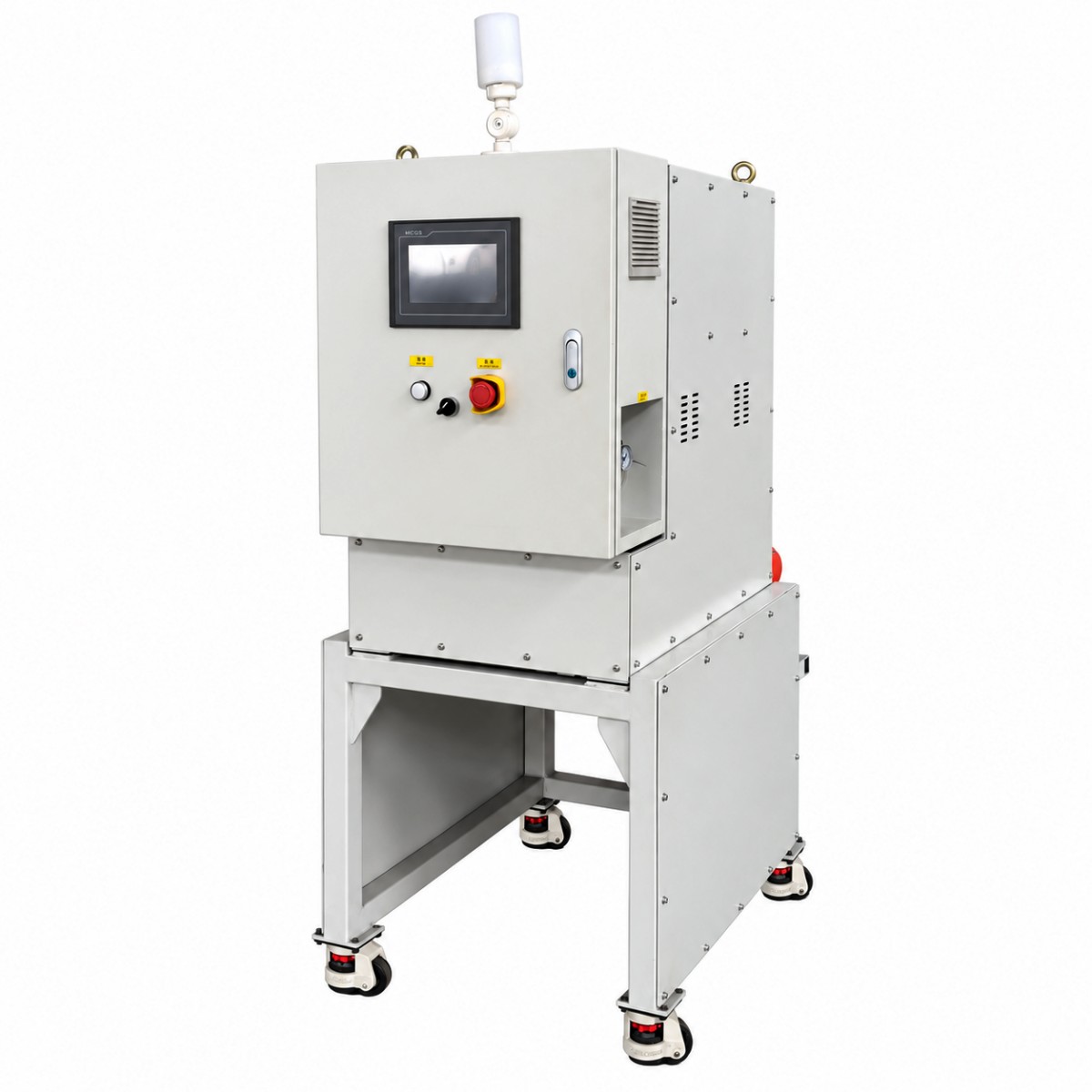
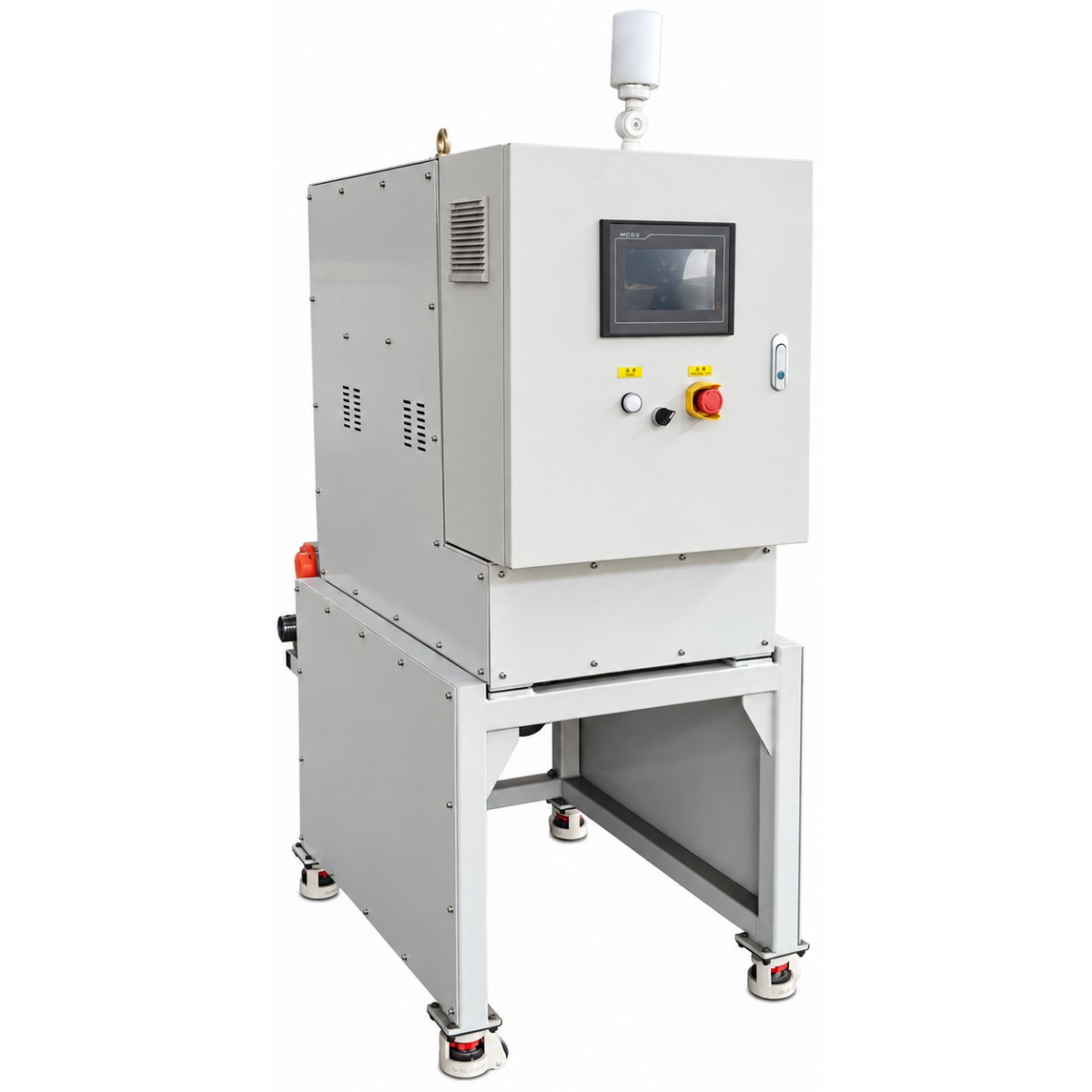
Description
Industrial wastewater treatment plants and electroplating facilities face persistent challenges with sludge-laden effluents that overwhelm settling tanks and foul membrane systems. The Centrifugal Filter delivers continuous, high-capacity solid-liquid separation without consumables or chemical dosing—reducing downtime, maintenance frequency, and compliance risk.
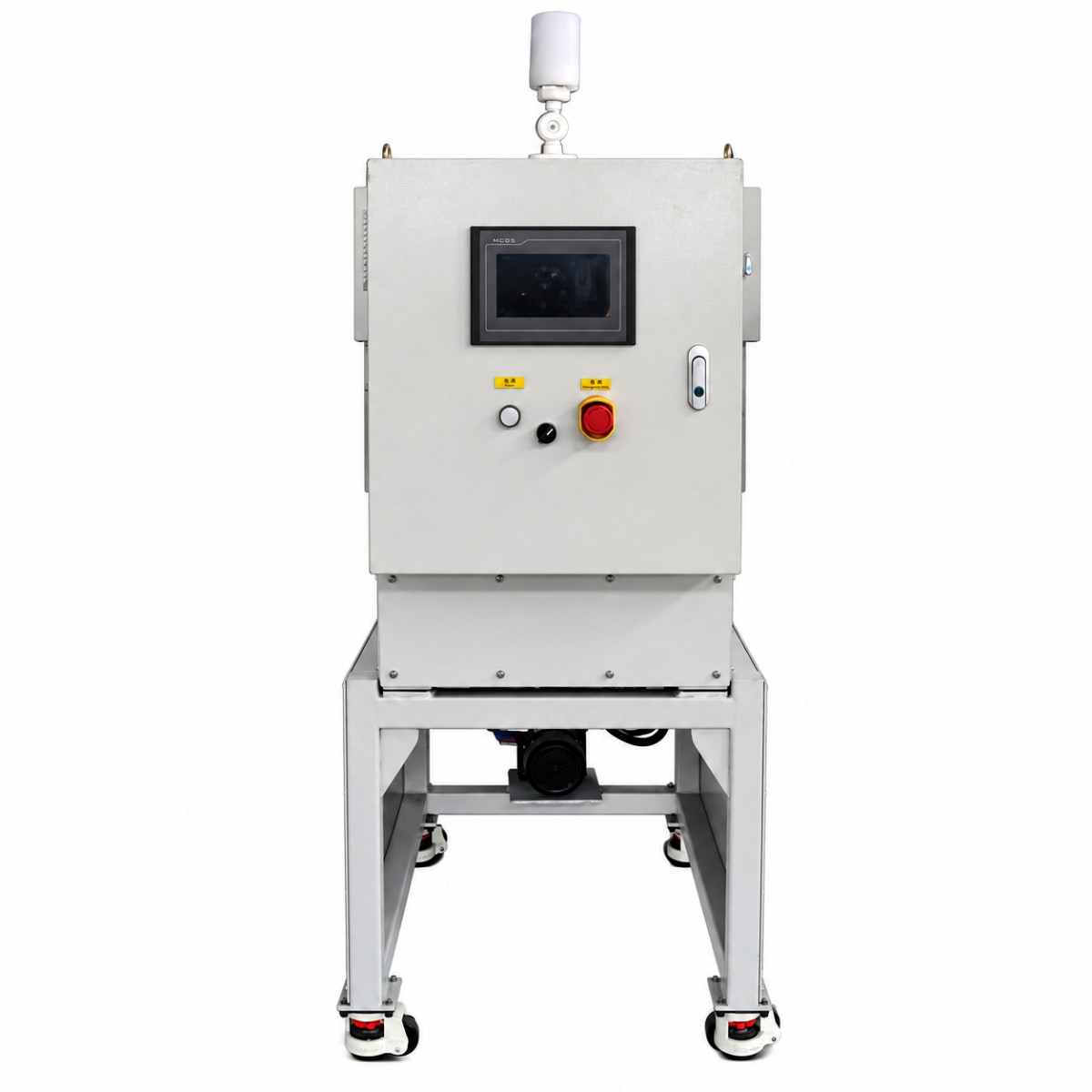
Its robust construction—Q235 structural frame, SS304 wetted parts, and 6061 aluminum components—ensures corrosion resistance in aggressive electroplating rinse waters and acidic/alkaline industrial waste streams. With a rated capacity of 100 L/min and a 4 kW motor operating at 380 V, it maintains stable performance under variable flow and solids loading typical in batch-process plating lines and continuous wastewater trains.
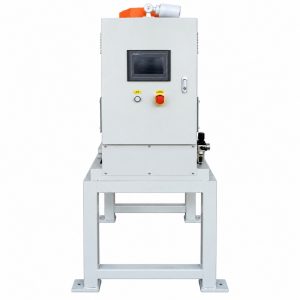
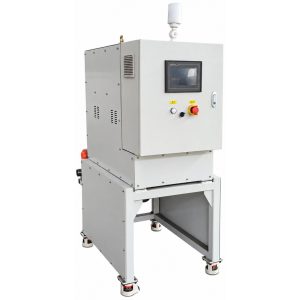
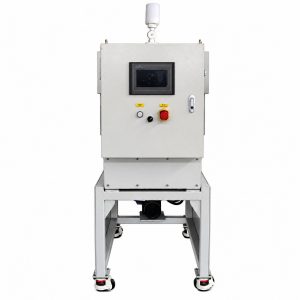
This centrifugal filter is explicitly validated for industrial waste liquid treatment per manufacturer specifications—not retrofitted or adapted—and integrates seamlessly into existing pump-and-tank infrastructure with minimal footprint (850×630×1500 mm) and 380 kg operational weight.
CE-certified heavy-duty centrifugal filter for industrial waste liquid treatment—removes suspended solids, metal hydroxides, and process sludge in electroplating, semiconductor coolant, and wastewater applications without chemicals or consumables.
Engineered for demanding industrial environments, this heavy-duty centrifugal filter delivers reliable, chemical-free solid-liquid separation in real-time. It excels in electroplating facilities where metal hydroxides and process sludge must be continuously removed from rinse waters, and in semiconductor manufacturing for PV/coolant purification—preventing membrane fouling and extending equipment life. Its corrosion-resistant construction (SS304 wetted parts, Q235 frame, 6061 aluminum) withstands acidic and alkaline waste streams without degradation. Operating at 100 L/min with a 4 kW motor, it integrates seamlessly into existing pump-and-tank infrastructure, requiring minimal footprint and no consumables—reducing operational downtime, maintenance costs, and regulatory compliance risk.