Description
When sectioning high-hardness, brittle precision ceramics—such as medical-grade alumina, yttria-stabilized zirconia, and aerospace-grade silicon carbide—conventional diamond-blade saws and grinding introduce microfractures, inconsistent kerf width, and rapid tool degradation. This compromises part integrity, dimensional reliability, and long-term process economics.
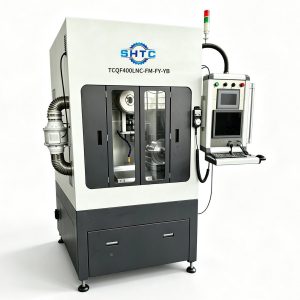
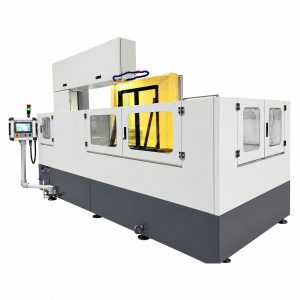
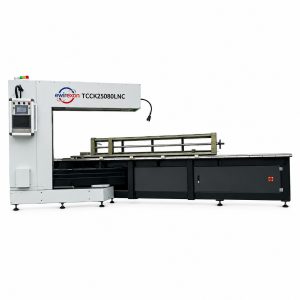
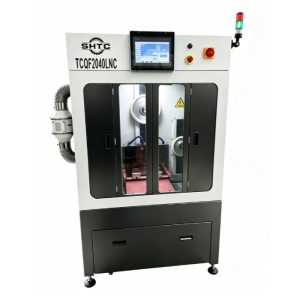
The Diamond Ring Saw (Single-Wire Saw) is purpose-built for this challenge. Its single-diamond-impregnated wire—tensioned precisely between 0–300 N and driven at controlled speeds (0.1–50 mm/s)—cuts with minimal lateral force and thermal input. Combined with ultra-fine X/Y axis feed control (0.01–35 mm/s), it achieves exceptional repeatability and surface fidelity on non-metallics that demand zero subsurface damage.
Supported explicitly for ‘Cutting of optical glass, sapphire, precision ceramics, graphite, semiconductor packaging materials and CFRP composites’, this system meets the stringent requirements of implant manufacturing and sensor component fabrication—where part failure is not an option.
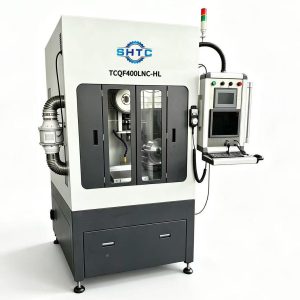
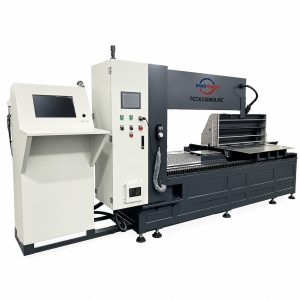
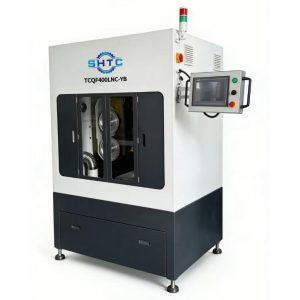
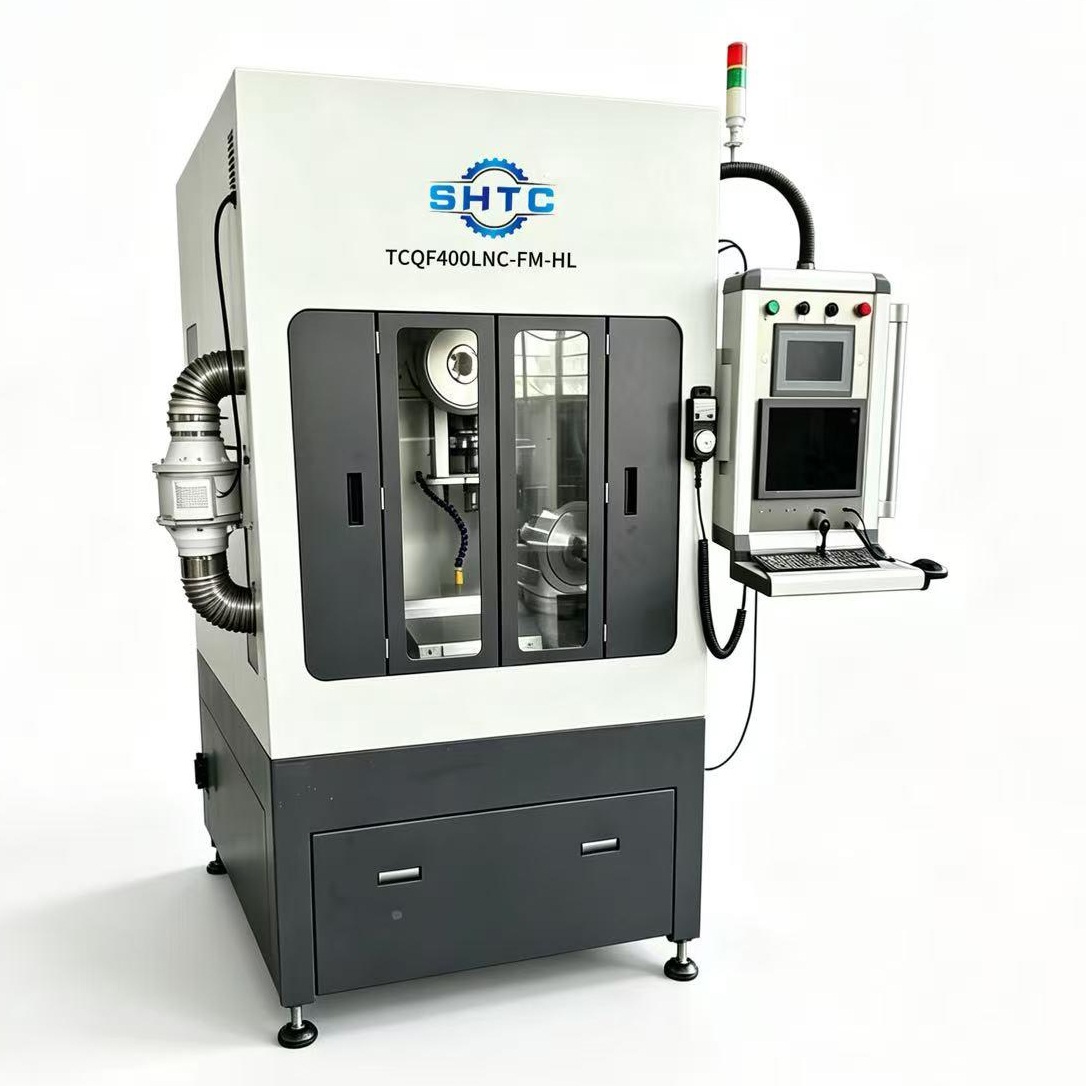
Precision diamond wire saw for low-damage sectioning of brittle ceramics like alumina, zirconia, and silicon carbide—optimized for medical implants, aerospace sensors, and optical components.
This precision diamond wire saw is purpose-built for sectioning high-hardness, brittle ceramics—including medical-grade alumina, yttria-stabilized zirconia, aerospace silicon carbide, sapphire, and optical glass—without microfractures or subsurface damage. Unlike conventional diamond-blade saws, its single-diamond-impregnated wire operates under precisely controlled tension (0–300 N) and feed speeds (0.01–35 mm/s), minimizing lateral force and thermal input. Ideal for implant manufacturing, sensor component fabrication, and semiconductor packaging, it delivers exceptional dimensional repeatability, ultra-fine kerf control, and extended wire life. Fully CE-certified and built with Q235 structural steel, SS304, and 6061 aluminum, it supports wire diameters from Φ0.3 to Φ1.0 mm and integrates seamlessly into high-reliability production environments.