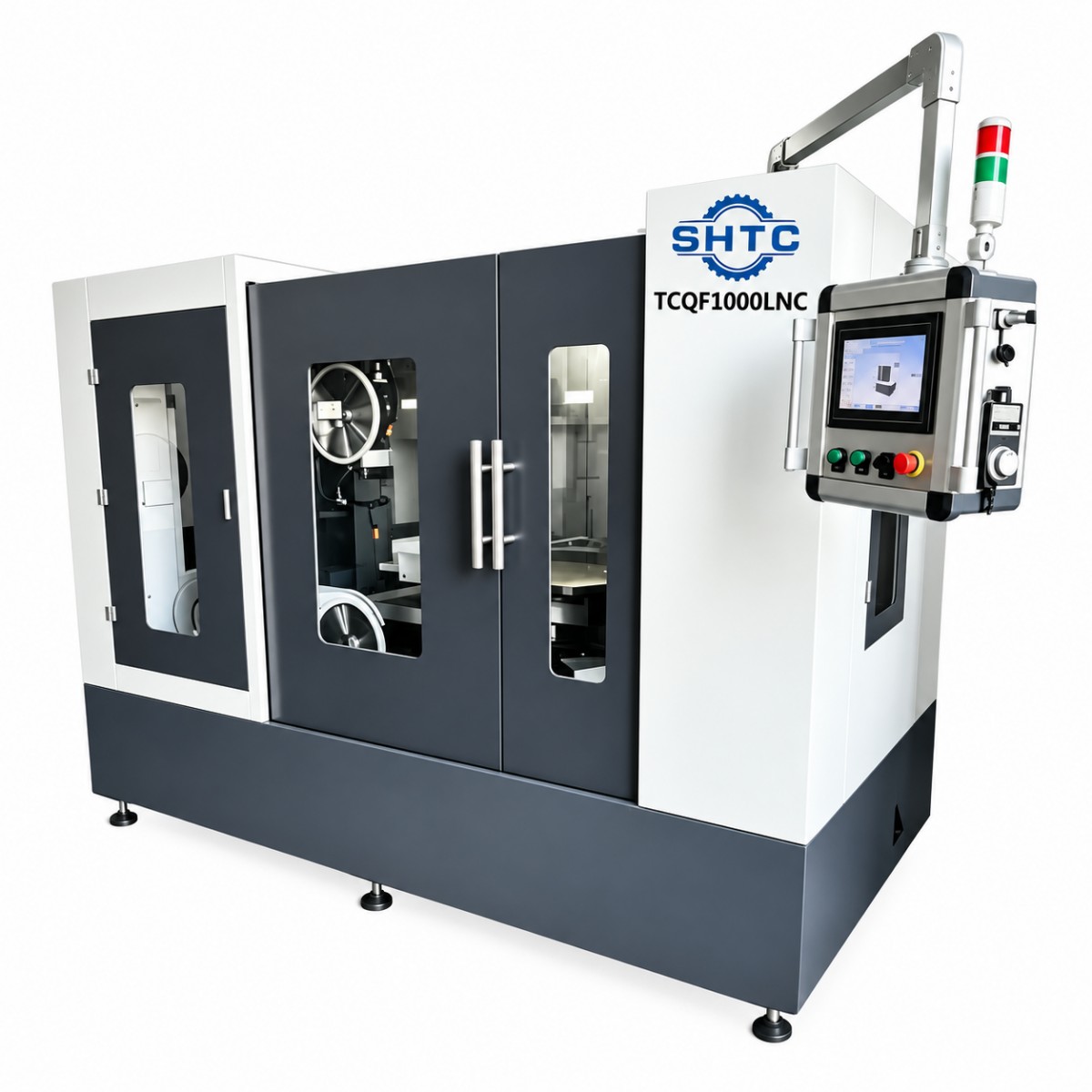
Description
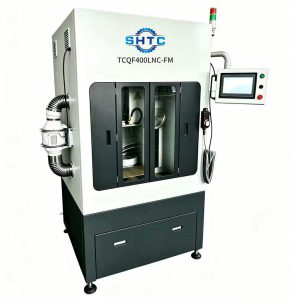
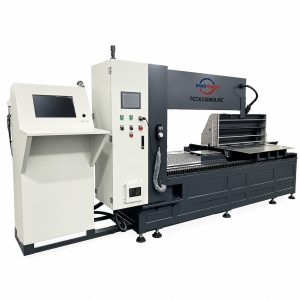
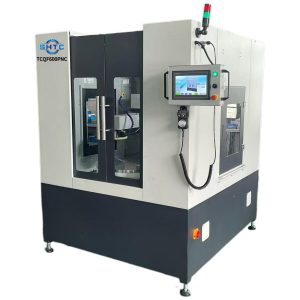
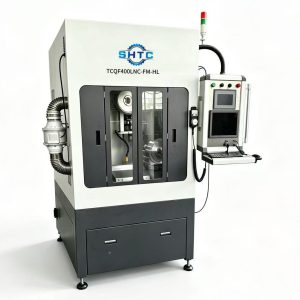
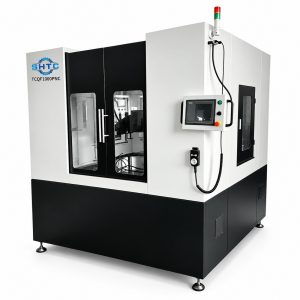
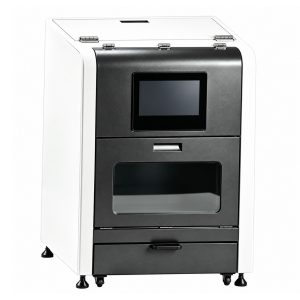
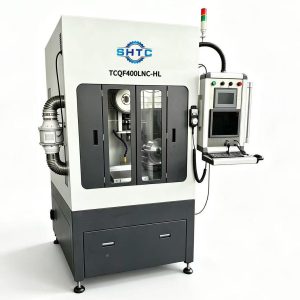
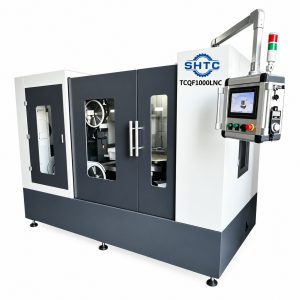
This diamond ring saw is purpose-built for university laboratories and R&D teams engaged in prototyping and low-volume production of advanced functional materials. Unlike industrial or construction-grade tools, it delivers the granular motion control essential for academic and innovation-budget procurement: programmable X/Y axis feed rates from 0.01 to 35 mm/s, selectable wire speed (0.1–35 mm/s), and tunable tension (0–500 N) enable repeatable, high-fidelity slicing of brittle and composite substrates.
Its compatibility with optical glass, sapphire, precision ceramics, graphite, semiconductor packaging materials and CFRP composites — as confirmed by the manufacturer’s stated applications — makes it ideal for materials science, photonics, and microelectronics prototyping. Constructed from Q235 structural steel, SS304 stainless, and 6061 aluminum, the system balances rigidity, corrosion resistance, and cleanroom-readiness. At 3800 kg and 4000×1700×2560 mm, it is a stable, CE-certified capital asset suited for permanent lab integration — with customization available to align with specific experimental workflows or grant deliverables.
A research-grade diamond ring saw for university labs prototyping optical glass, sapphire, ceramics, graphite, semiconductors, and CFRP — featuring programmable motion control, tunable wire parameters, and cleanroom-ready construction.
This research-grade diamond ring saw is purpose-built for university laboratories and academic R&D teams advancing next-generation materials. Its fully programmable X/Y axis feed rates (0.01–35 mm/s), adjustable wire speed (0.1–35 mm/s), and precise tension control (0–500 N) deliver exceptional repeatability when slicing brittle or heterogeneous substrates. Validated for optical glass, sapphire, precision ceramics, graphite, semiconductor packaging materials, and CFRP composites, it supports core workflows in photonics, microelectronics, and functional materials development. Constructed from Q235 structural steel, SS304 stainless, and 6061 aluminum, the system ensures long-term stability, corrosion resistance, and cleanroom compatibility. At 3800 kg and CE-certified, it’s designed for permanent integration into teaching and grant-funded research infrastructure — with customization available to match experimental protocols or project milestones.