Description
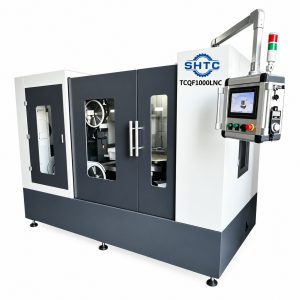
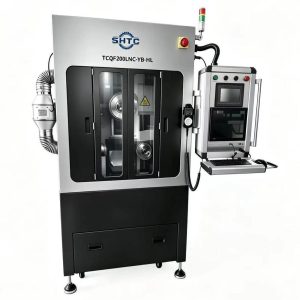
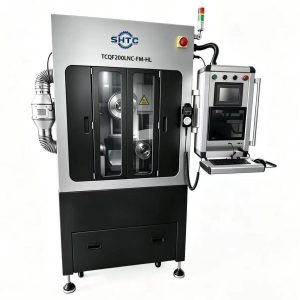
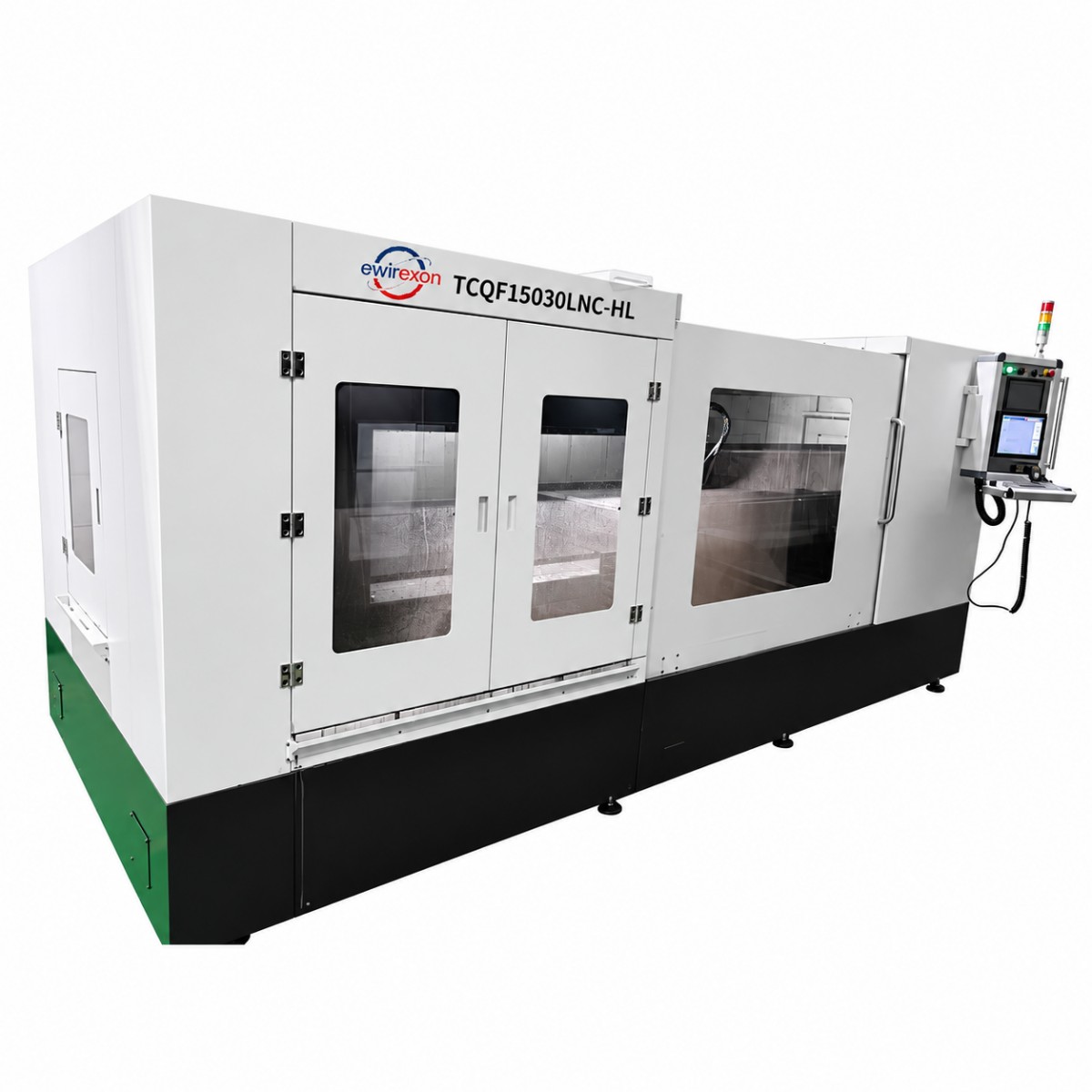
For power electronics manufacturers scaling advanced packaging capabilities, the diamond ring saw (single-wire saw) provides a proven alternative to abrasive blade dicing—specifically where silicon carbide (SiC) and aluminum nitride (AlN) substrates demand non-contact, low-stress material removal. Unlike rotating blades that induce heat, vibration, and microcracking, this wire-based system uses a continuously moving diamond-impregnated wire under precise tension and feed control to achieve clean, straight cuts with sub-5µm kerf width and zero thermal distortion.
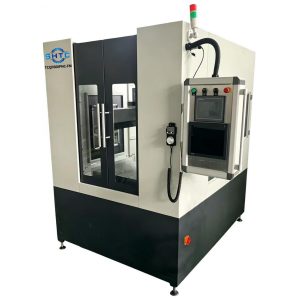
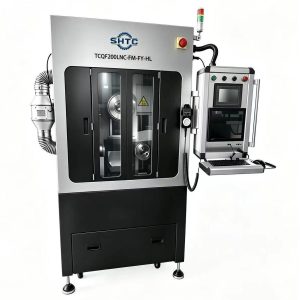
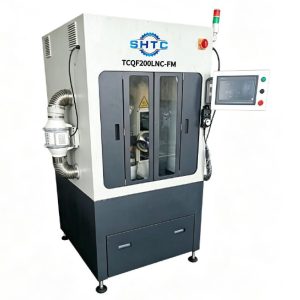
Its fully programmable X/Y axis feed rate (0.01–35 mm/s), ultra-fine wire speed control (0.1–35 mm/s), and adjustable tension (0–500 N) enable process optimization for brittle, high-thermal-conductivity packaging ceramics. The machine’s rigid Q235+SS304+6061 frame and CE-certified design ensure repeatability in high-mix, high-precision production environments.
As explicitly supported by its documented applications, this diamond ring saw is qualified for cutting semiconductor packaging materials—making it a purpose-fit capital investment for packaging line upgrades targeting next-generation power modules, EV inverters, and RF devices.
Engineered for advanced packaging lines, this diamond ring saw delivers micron-level precision and thermal stability when dicing hard, thermally conductive semiconductor packaging materials—including silicon carbide (SiC) and aluminum nitride (AlN)—with minimal kerf loss and no thermal distortion.
Designed specifically for high-reliability power electronics manufacturing, this diamond ring saw (single-wire saw) delivers non-contact, low-stress material removal essential for brittle, high-thermal-conductivity semiconductor packaging substrates—including silicon carbide (SiC), aluminum nitride (AlN), sapphire, and precision ceramics. Unlike conventional abrasive blade dicing, it eliminates heat buildup, mechanical vibration, and microcracking, preserving substrate integrity and device yield. With programmable X/Y feed rates (0.01–35 mm/s), ultra-fine wire speed control (0.1–35 mm/s), and tension adjustment up to 500 N, the system supports process optimization across diverse packaging materials and geometries. Its rigid hybrid frame (Q235 structural steel, SS304 stainless, and 6061 aluminum) ensures long-term stability in high-mix production environments—making it ideal for EV inverter module assembly, RF packaging lines, and next-generation power module fabrication.