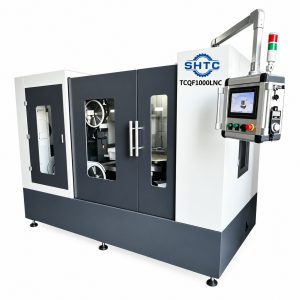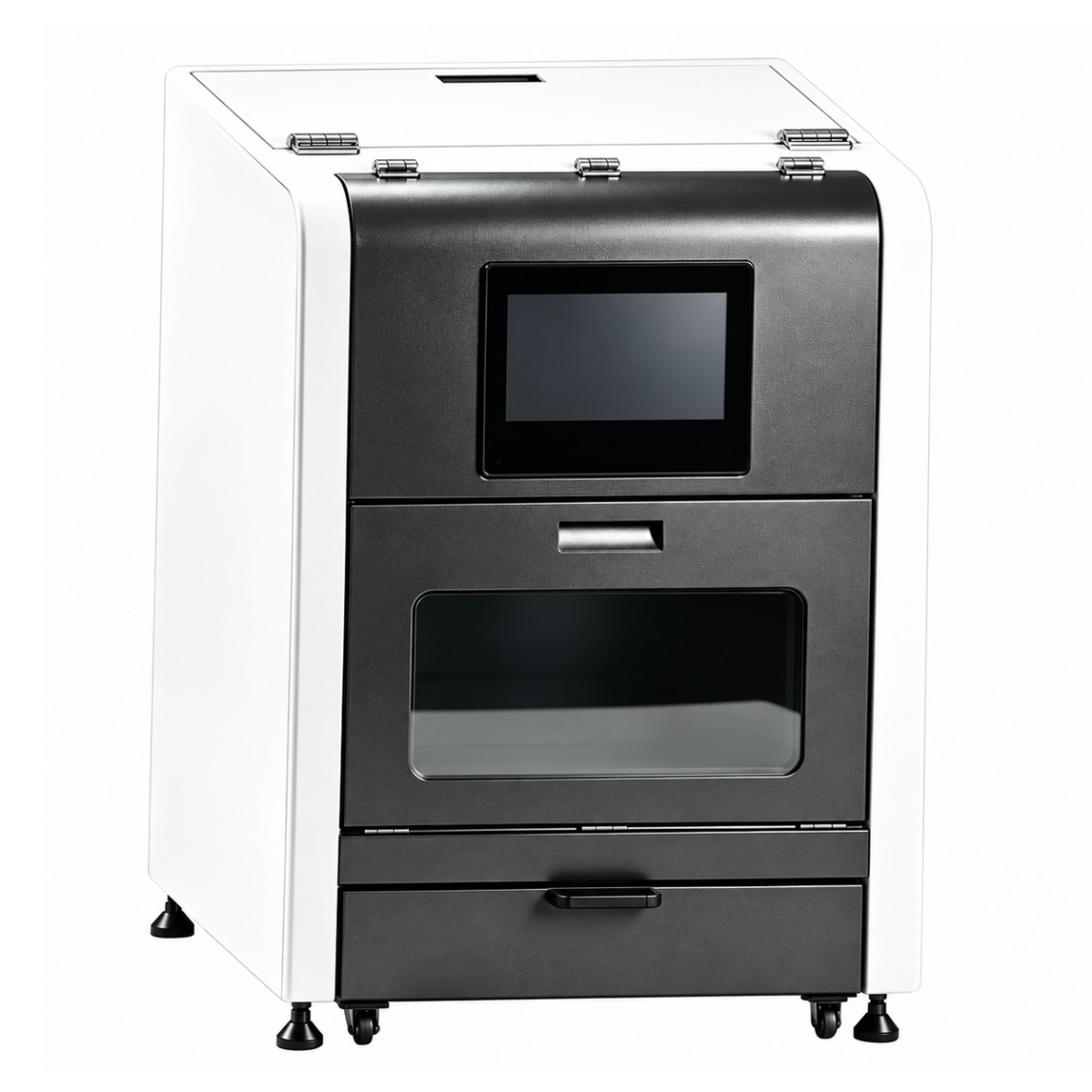
Description
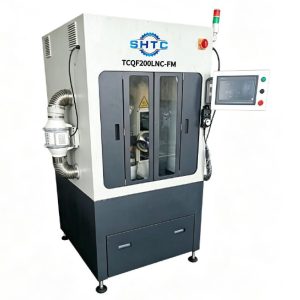
This diamond ring saw is purpose-configured for UK-based medical device component suppliers requiring repeatable, non-destructive sectioning of precision technical ceramics—including alumina, zirconia, and other ISO 13485-aligned ceramic substrates. Unlike rotary or abrasive tools, its single-wire diamond cutting mechanism applies minimal lateral force and eliminates mechanical shock, directly addressing the brittleness-related chipping and subsurface fracture risks common in ceramic machining.
The system’s ultra-fine X/Y axis feed rate (0.01–35 mm/s) and independently adjustable wire tension (0–150 N) allow operators to optimise cut parameters for specific ceramic densities and geometries—critical when preparing samples for microstructural analysis or functional prototyping. Its compact desktop footprint (640×620×670 mm) and CE certification support integration into controlled lab-scale production environments without facility retrofitting.
Constructed from Q235 structural steel, SS304 stainless steel, and 6061 aluminium, the frame ensures long-term dimensional stability and corrosion resistance—key for cleanroom-adjacent or humidity-controlled settings. Power consumption remains efficient at 1.1 kW (220 V), supporting sustainable operation within regulated manufacturing workflows.
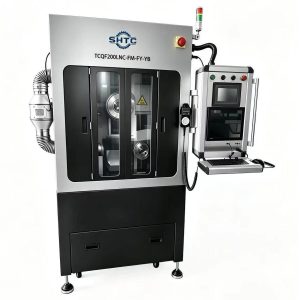
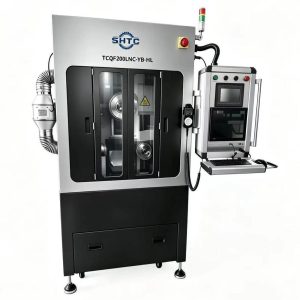
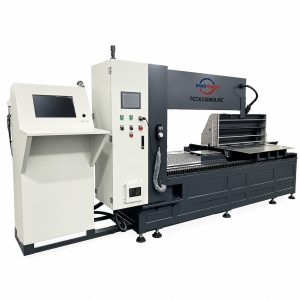
Desktop diamond ring saw for non-destructive sectioning of precision technical ceramics (e.g., alumina, zirconia) — designed for UK medical device suppliers and microstructural analysis labs.
This diamond ring saw delivers controlled, low-stress sectioning of brittle technical ceramics—including alumina, zirconia, sapphire, and graphite—used in certified medical device components and advanced functional prototypes. Its single-wire diamond mechanism eliminates lateral force and mechanical shock, preventing chipping and subsurface fractures that compromise microstructural integrity. With ultra-fine X/Y feed control (0.01–35 mm/s) and precise wire tension adjustment (0–150 N), operators tailor cuts to material density, geometry, and downstream requirements such as SEM sample prep or hermeticity testing. Built for integration into cleanroom-adjacent labs, its compact desktop footprint (640×620×670 mm), CE certification, and corrosion-resistant frame (Q235 steel, SS304, and 6061 aluminium) support stable, repeatable operation in regulated UK manufacturing environments. Efficient 1.1 kW power consumption aligns with sustainable lab-scale production workflows.