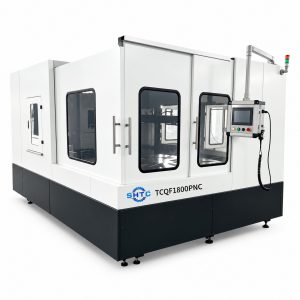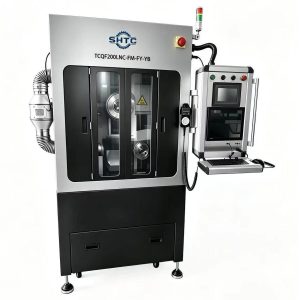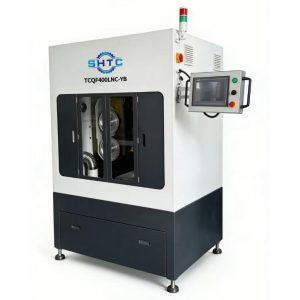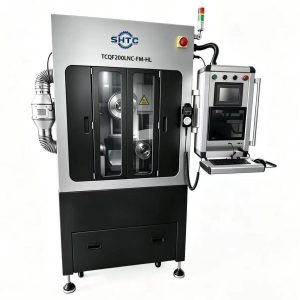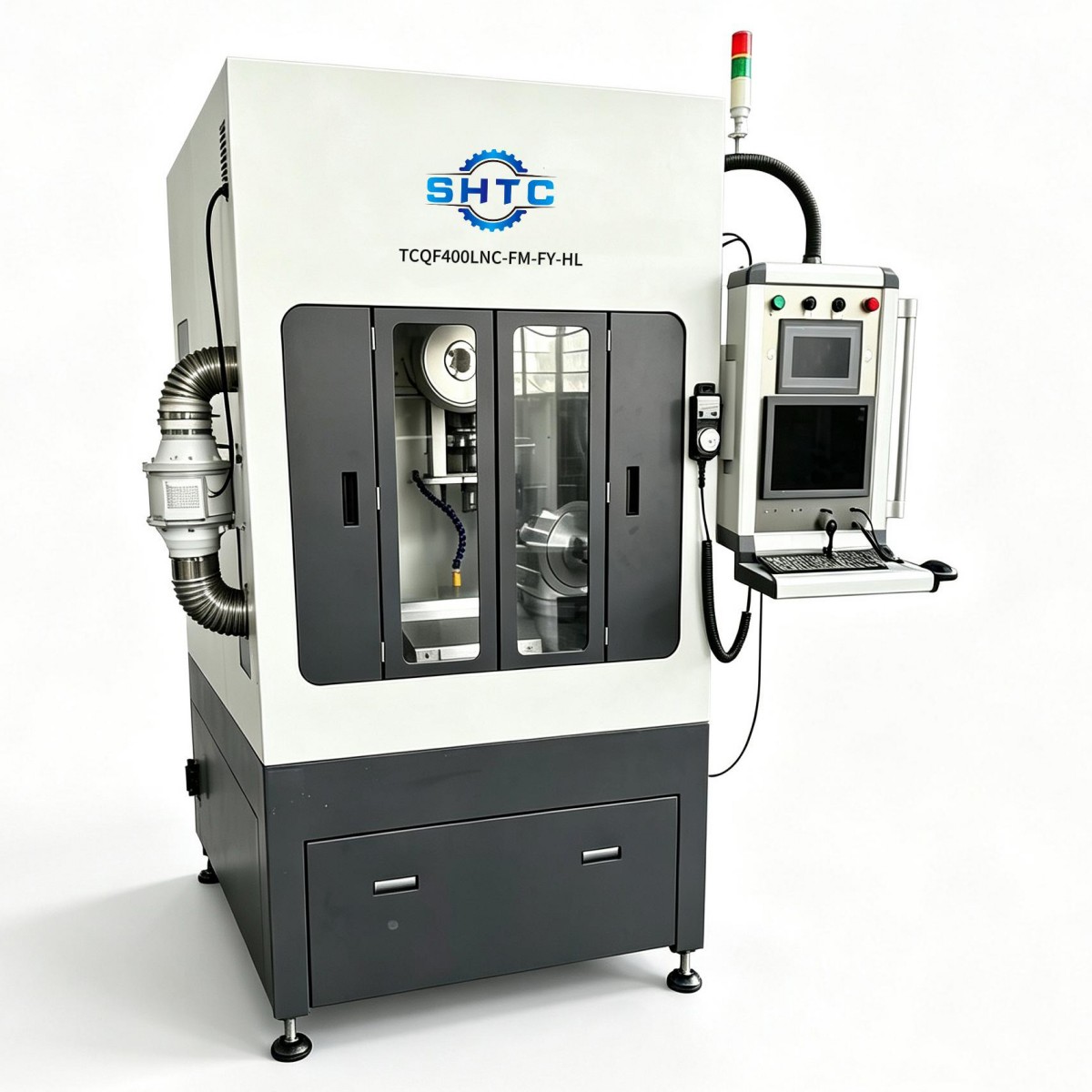
Description
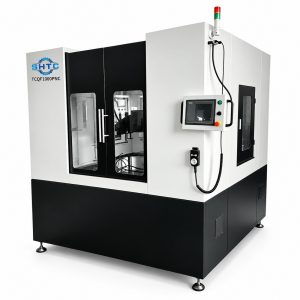
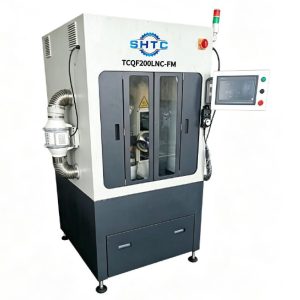
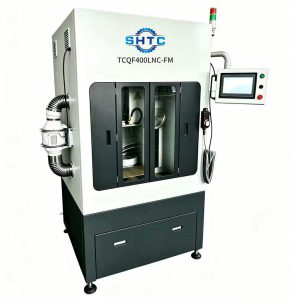
For materials science researchers and next-generation component developers, this Diamond Ring Saw (Single-Wire Saw) delivers controlled, low-force sectioning essential for preserving microstructural integrity in fragile or multi-phase systems. Unlike abrasive blade saws that impose high localized stress—triggering delamination at ceramic-metal interfaces or preferential cracking along weak layers—this single-wire system uses a continuously moving diamond-impregnated wire under precisely adjustable tension (0–300 N) and ultra-fine feed control (0.01–35 mm/s on X/Y axes). The result is clean, distortion-free cross-sections ideal for SEM analysis, interface characterization, and iterative prototyping of ceramic matrix composites (CMCs), hybrid packaging substrates, and graded functional materials.
Its validated application scope—explicitly including precision ceramics, graphite, semiconductor packaging materials, and CFRP composites—confirms suitability for heterogeneous material systems where mechanical anisotropy and interfacial weakness demand non-contact-like cutting behavior. Built with Q235 structural steel, SS304 wetted components, and 6061 aluminum framing, the system ensures dimensional stability during long-duration, sub-micron-critical cuts. CE-certified and field-proven in R&D labs worldwide.
Low-stress diamond ring saw for clean, distortion-free sectioning of brittle, layered, or heterogeneous advanced materials—including CMCs, CFRP, sapphire, and hybrid packaging—where conventional saws cause interfacial failure.
Designed specifically for materials science research and advanced component development, this diamond ring saw (single-wire saw) delivers ultra-precise, low-force sectioning critical for preserving microstructural fidelity in fragile or multi-phase systems. Its continuously moving diamond-impregnated wire operates under finely tuned tension (0–300 N) and sub-millimeter feed control (0.01–35 mm/s), eliminating the high localized stress typical of abrasive blade saws—preventing delamination at ceramic-metal interfaces, cracking in graded functional materials, and fiber pull-out in CFRP. Validated for optical glass, sapphire, precision ceramics, graphite, semiconductor packaging substrates, and ceramic matrix composites (CMCs), it supports SEM-ready cross-sections, interface analysis, and iterative prototyping. Constructed with Q235 structural steel, SS304 wetted parts, and 6061 aluminum framing, the system maintains dimensional stability during extended, micron-critical cuts. CE-certified and deployed in leading R&D laboratories worldwide.