Description
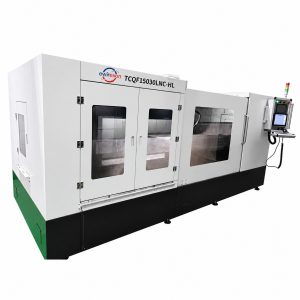
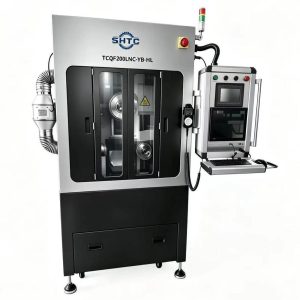
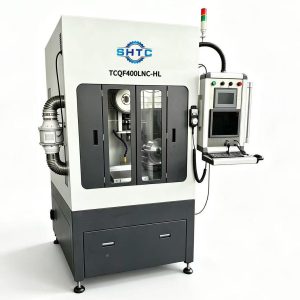
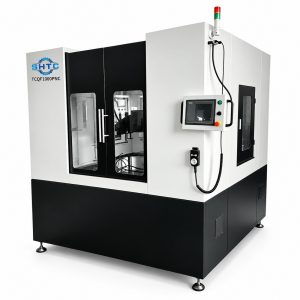
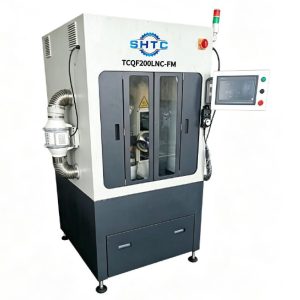
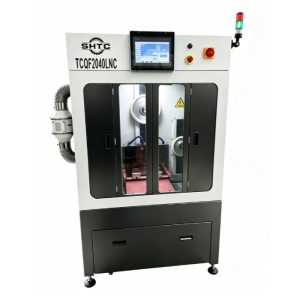
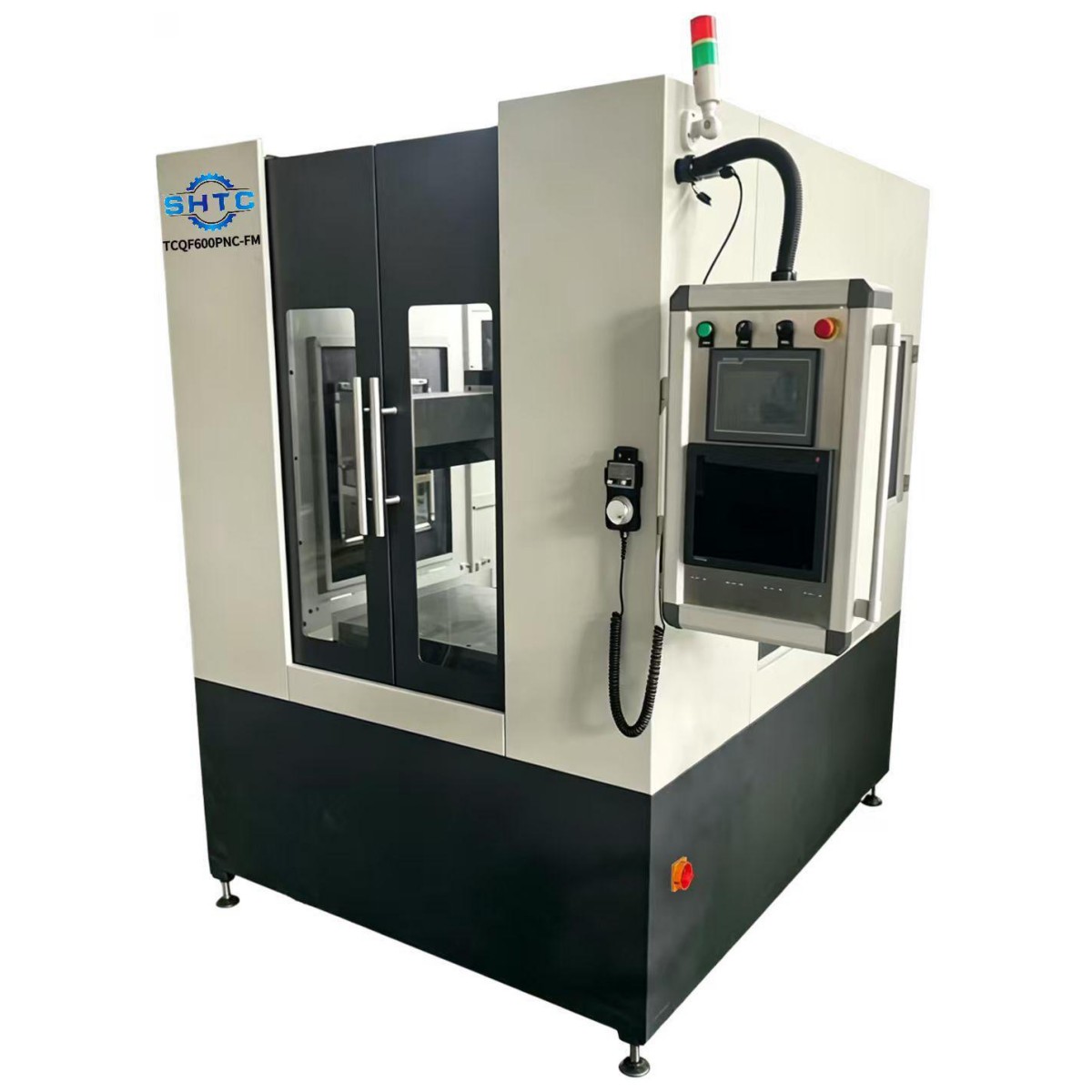
For photonics research labs and advanced sensor development teams, consistent, subsurface-damage-free sectioning of sapphire and optical glass is non-negotiable. Standard saws introduce micro-cracking and surface roughness that degrade optical transmission and laser performance—but this diamond ring saw eliminates those risks through purpose-built precision controls.
Its fully adjustable wire speed (0.1–35 mm/s) and fine-tuned tension range (0–500 N) enable optimized cutting parameters for brittle, anisotropic materials like sapphire and fused silica. Combined with sub-micron X/Y axis feed rates (0.01–35 mm/s), it supports slow, stable kerf formation—minimizing thermal stress and mechanical chipping during thin-section preparation.
Constructed from Q235 structural steel, SS304 stainless, and 6061 aluminum, the system ensures long-term dimensional stability under lab conditions. CE-certified and built for integration into cleanroom-adjacent or controlled-environment R&D workflows, it’s designed for repeatable, operator-independent results across hundreds of optical substrate cuts.
Engineered for university labs and R&D centers, this diamond ring saw delivers repeatable, low-defect slicing of sapphire and optical glass—critical for laser optics, photonics research, and high-sensitivity sensor development.
This diamond ring saw is purpose-built for research labs and advanced development teams requiring ultra-precise, low-defect sectioning of highly brittle, optically critical materials—including sapphire, fused silica, optical glass, precision ceramics, and CFRP composites. Unlike conventional saws that induce micro-cracking and surface roughness, its fully adjustable wire speed (0.1–35 mm/s), precise tension control (0–500 N), and sub-micron X/Y feed rates (0.01–35 mm/s) enable stable, thermally managed kerf formation—preserving optical transmission, laser damage thresholds, and sensor performance. Constructed from Q235 structural steel, SS304 stainless, and 6061 aluminum, it delivers long-term dimensional stability in cleanroom-adjacent or controlled-environment workflows. CE-certified and designed for operator-independent repeatability, it supports high-fidelity thin-section preparation across hundreds of cuts—making it essential for laser optics fabrication, photonic integrated circuit prototyping, and high-sensitivity optical sensor development.