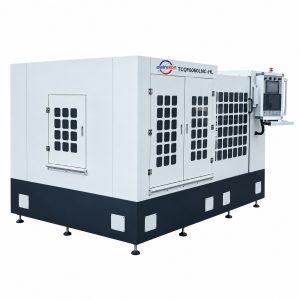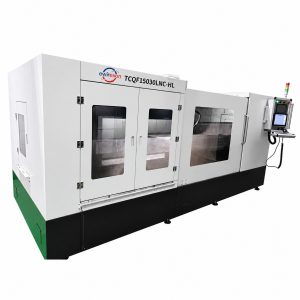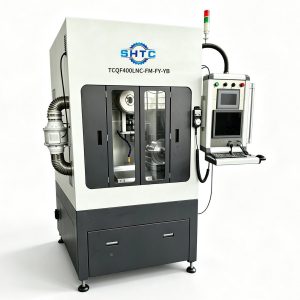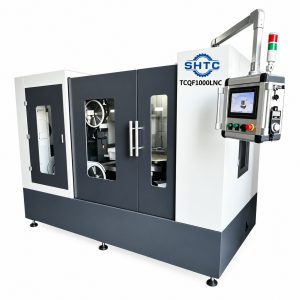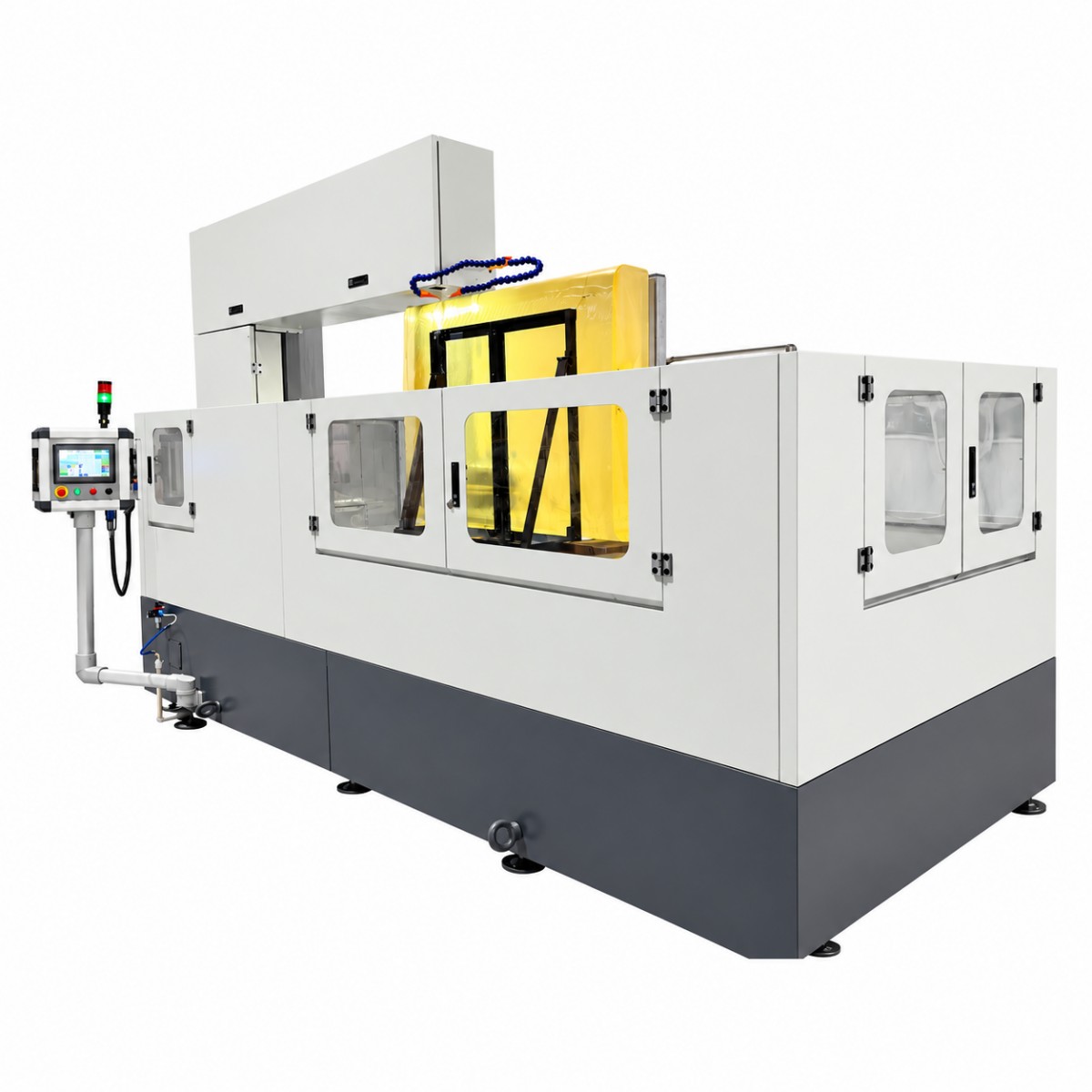
Description
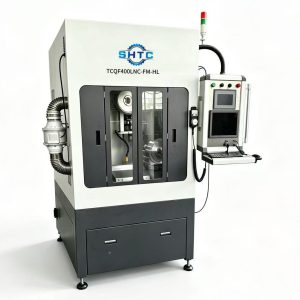
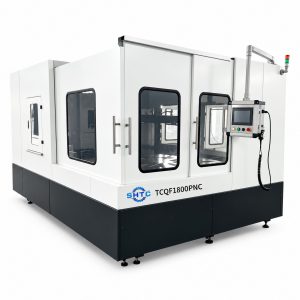
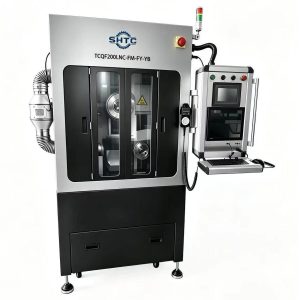
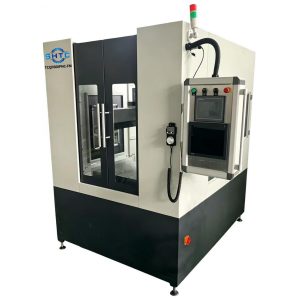
Materials synthesis facilities rely on ultra-stable, high-purity graphite and ceramic crucibles for crystal growth (e.g., Czochralski, Bridgman) and high-temperature furnace operations. Conventional abrasive or mechanical cutting introduces thermal stress, microcracking, and dimensional inaccuracy—compromising crucible integrity and process repeatability. This diamond ring saw eliminates those risks through cold, low-force wire sawing using a continuously moving diamond-impregnated wire.
Engineered for refractory component fabrication, it delivers precise, burr-free cuts in graphite and precision ceramics—even at complex angles or custom profiles—without altering material microstructure or purity. Its programmable feed rates (0.01–35 mm/s), fine-tuned wire tension control (0–500 N), and adjustable wire speed (0.1–35 mm/s) ensure consistent kerf width and surface finish across large or irregular crucible geometries.
With optional customization available, the system accommodates facility-specific crucible dimensions, mounting interfaces, and integration into automated synthesis workflows. Built with Q235 structural steel, SS304 stainless components, and 6061 aluminum for corrosion resistance and thermal stability, it meets CE safety standards and is backed by a 1-year warranty.
Cold-cutting diamond ring saw for burr-free, microstructure-safe machining of graphite and ceramic crucibles—essential for crystal growth, high-temp furnaces, and refractory component fabrication.
Engineered for advanced materials synthesis, this diamond ring saw delivers cold, vibration-free cutting of graphite and precision ceramic crucibles—critical for Czochralski and Bridgman crystal growth, high-temperature furnace linings, and semiconductor processing. Unlike abrasive or mechanical methods, it eliminates thermal stress, microcracking, and dimensional drift, preserving material purity and structural integrity. With programmable feed rates (0.01–35 mm/s), precise wire tension control (0–500 N), and adjustable wire speed (0.1–35 mm/s), it ensures repeatable kerf width and surface finish—even on large, irregular, or angled crucible geometries. Constructed from Q235 structural steel, SS304 stainless steel, and 6061 aluminum, the system offers thermal stability, corrosion resistance, and CE-compliant safety. Optional customization supports facility-specific mounting, crucible dimensions, and integration into automated synthesis workflows.