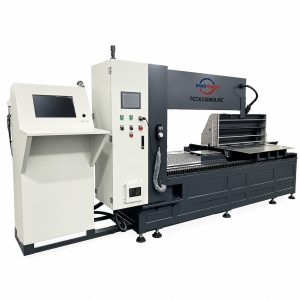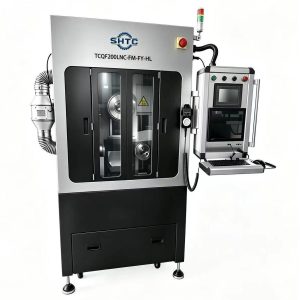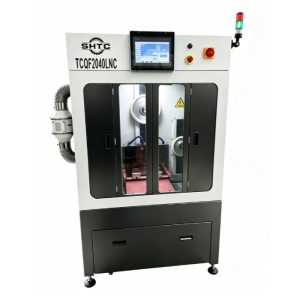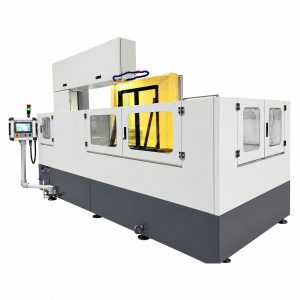
Description
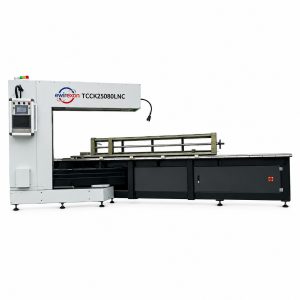
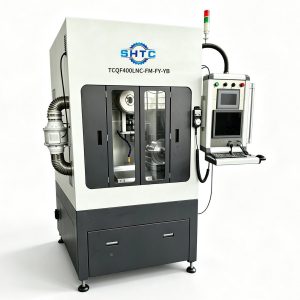
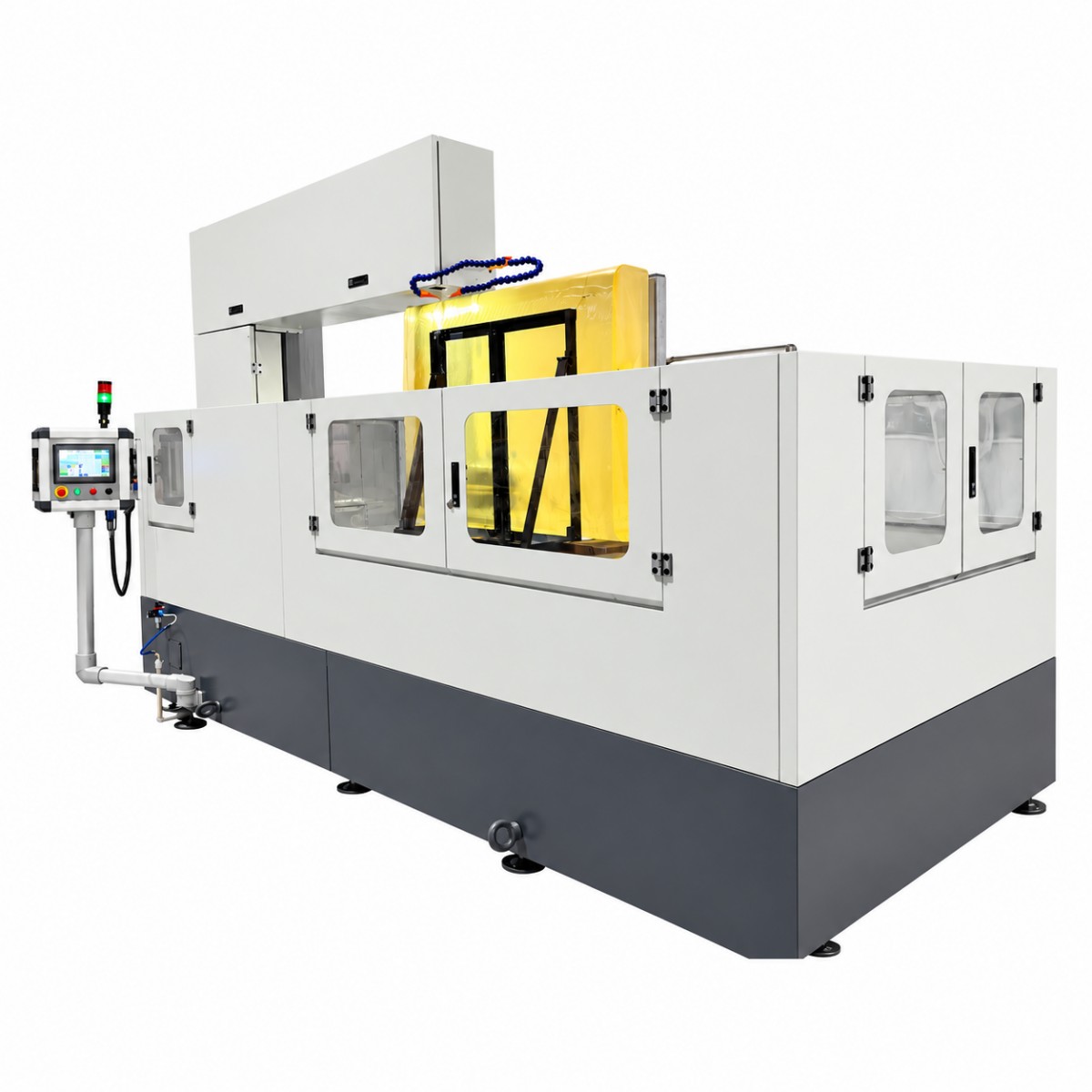
For aerospace and medical device R&D teams facing ceramic sectioning challenges—delamination from grinding, grain pull-out during milling, or inconsistent kerf width—this diamond ring saw provides a validated cold-cutting alternative. Its single-wire architecture, combined with programmable feed rates (0.01–35 mm/s) and ultra-fine tension control (0–500 N), enables repeatable, low-stress slicing of brittle advanced ceramics including alumina (Al₂O₃) and silicon carbide (SiC).
Unlike abrasive methods, the diamond-impregnated wire operates without heat buildup or mechanical shock, preserving microstructural integrity critical for failure analysis, prototype validation, and biocompatibility testing. The system’s X/Y axis resolution and sub-millimeter wire speed adjustability (0.1–35 mm/s) support both coarse stock removal and final finish cuts on small-form ceramic components.
Built with Q235 structural frame, SS304 wet-zone components, and 6061 aluminum motion elements, it withstands continuous lab use while meeting CE safety standards. Customization is available for integration into automated material prep workflows.
Cold-cutting diamond ring saw for R&D labs: precision sectioning of alumina, SiC, sapphire, and composites—no delamination, no thermal damage, ±1 µm feed control.
Engineered specifically for demanding research and development environments, this diamond ring saw delivers cold, high-fidelity sectioning of brittle advanced ceramics—including alumina (Al₂O₃), silicon carbide (SiC), sapphire, optical glass, graphite, and CFRP composites. Unlike conventional grinding or milling, its single-wire diamond architecture eliminates heat buildup, mechanical shock, and microstructural damage—preserving sample integrity for failure analysis, biocompatibility testing, and prototype validation. With programmable feed rates (0.01–35 mm/s), ultra-precise wire tension control (0–500 N), and sub-millimeter speed adjustability, it supports both rapid stock removal and final finish cuts on small-form components. Built for durability in continuous lab use, the system features a Q235 structural frame, SS304 wet-zone components, and 6061 aluminum motion elements—all CE-certified and designed for integration into automated material preparation workflows.