Description
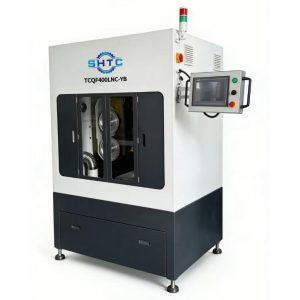
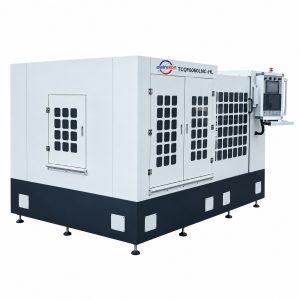
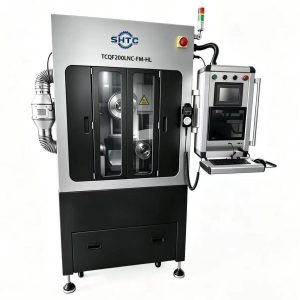
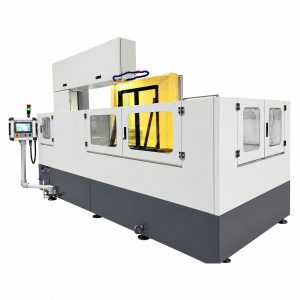
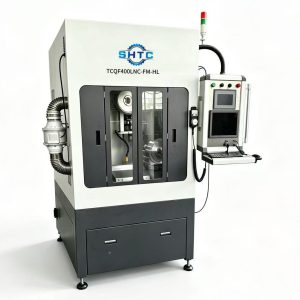
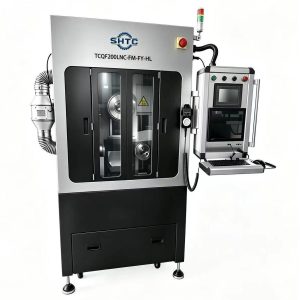
Designed specifically for grant-funded materials science laboratories, this Diamond Ring Saw (Single-Wire Saw) delivers exceptional control and repeatability when sectioning fragile, high-value research substrates. Its ultra-stable mechanical architecture—featuring Q235 structural steel, SS304 stainless components, and 6061 aluminum—minimizes vibration during slow, precise feed rates (0.01–35 mm/s), critical for preserving microstructural integrity in sintered ceramics and optical crystals.
The system supports fully programmable wire tension (0–500 N), variable wire speed (0.1–35 mm/s), and fine-resolution X/Y axis motion—enabling consistent kerf width and minimal subsurface damage across diverse brittle materials. With compatibility confirmed for optical glass, sapphire, precision ceramics, graphite, semiconductor packaging materials and CFRP composites, it eliminates the need to procure separate cutting systems for each material class—a key advantage for shared-core academic facilities.
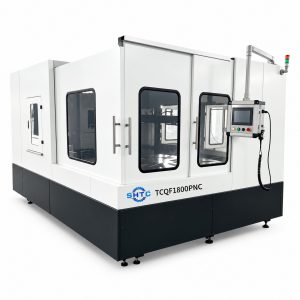
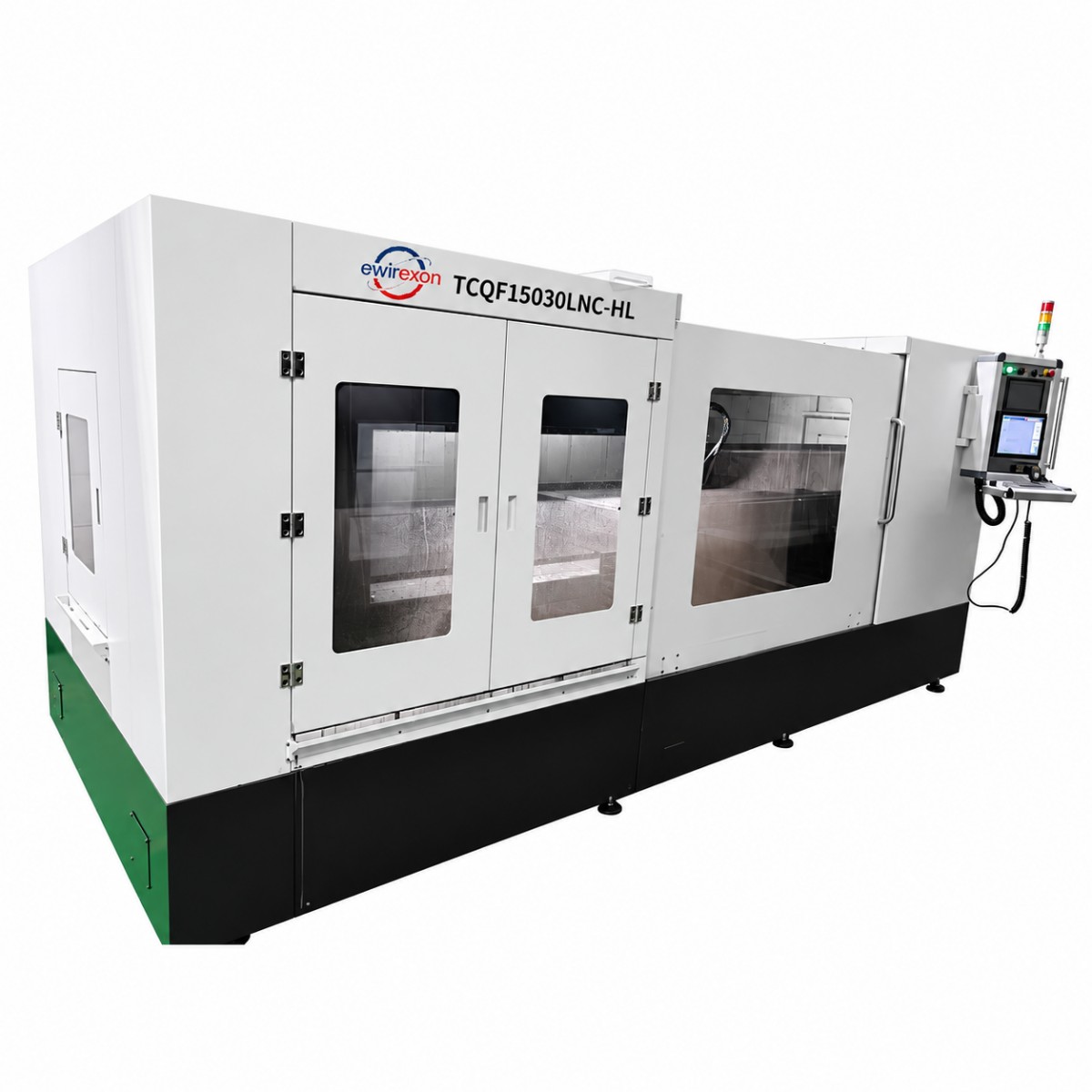
CE-certified and built to industrial standards (4200 kg mass, 4000×1700×2560 mm footprint), it integrates seamlessly into controlled lab environments requiring long-term stability, traceable process parameters, and customizable operation—all without compromising on precision or material fidelity.
Precision diamond ring saw for low-vibration sectioning of sapphire, optical glass, ceramics, and CFRP in university and national labs—programmable, CE-certified, and built for material fidelity.
This Diamond Ring Saw (Single-Wire Saw) is purpose-built for grant-funded materials science laboratories requiring repeatable, non-destructive sectioning of high-value brittle substrates. Its ultra-rigid mechanical architecture—constructed from Q235 structural steel, SS304 stainless components, and 6061 aluminum—suppresses vibration during slow, controlled feed rates (0.01–35 mm/s), ensuring minimal subsurface damage and consistent kerf width in sensitive materials like sintered ceramics, optical glass, sapphire, graphite, semiconductor packaging substrates, and CFRP composites. Fully programmable wire tension (0–500 N), variable wire speed (0.1–35 mm/s), and fine-resolution X/Y motion enable traceable, customizable cutting protocols—critical for shared-core academic and national lab facilities. CE-certified and engineered to industrial standards (4200 kg mass, 4000×1700×2560 mm footprint), it supports long-term stability, process reproducibility, and integration into controlled lab environments—without compromising fidelity or requiring dedicated tooling per material class.