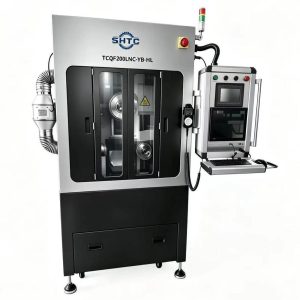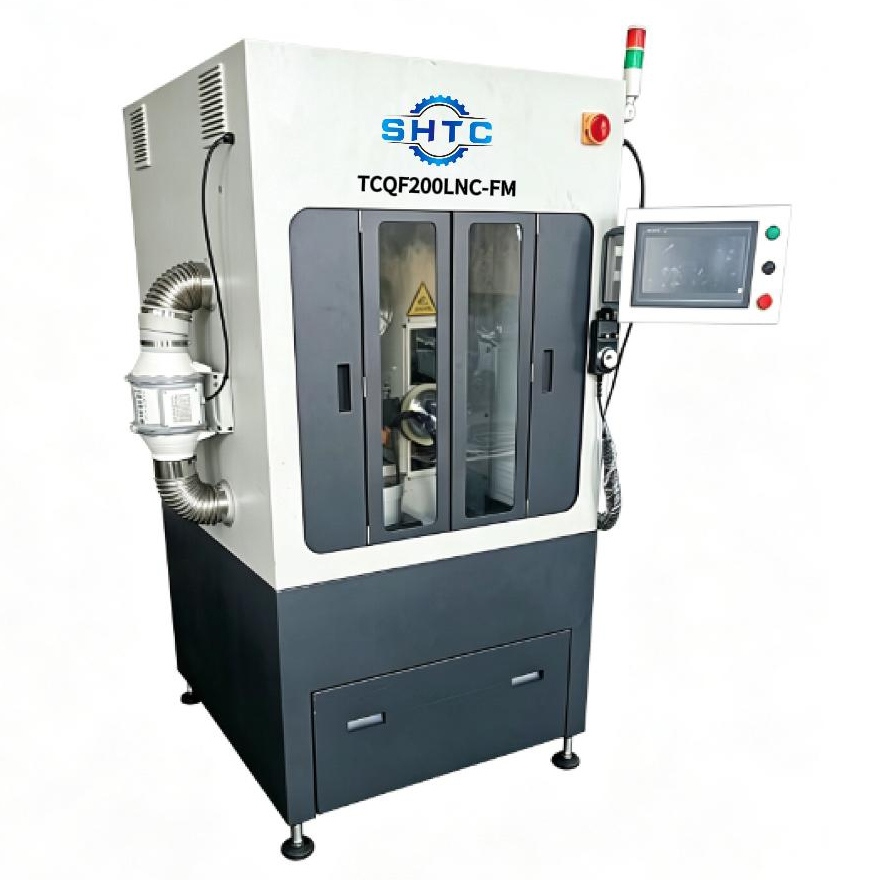
Description
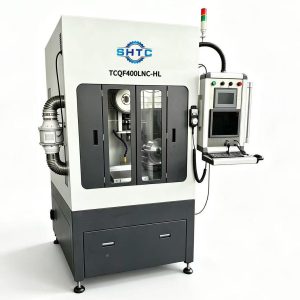
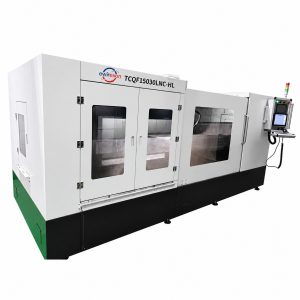
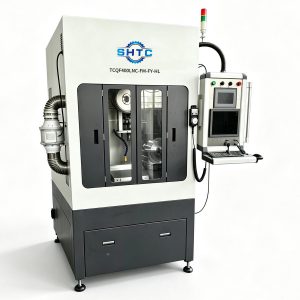
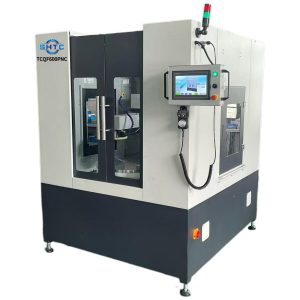
For semiconductor crystal growth infrastructure, maintaining vacuum integrity and thermal uniformity is non-negotiable. Conventional abrasive or blade-based cutting introduces inconsistent kerf width, microcracking, and subsurface damage in high-purity graphite—compromising crucible performance and furnace longevity. This diamond ring saw (single-wire) eliminates those risks through controlled wire tension (0–300 N), ultra-fine feed rate adjustment (0.01–35 mm/s), and programmable wire speed (0.1–50 mm/s), enabling repeatable, narrow-kerf slicing of graphite crucibles, insulation sleeves, and heater supports.
Its Q235+SS304+6061 structural build ensures rigidity under thermal cycling, while CE certification confirms compliance with industrial safety standards. Designed specifically for materials listed in its validated applications—including graphite—the system avoids mechanical shock and heat buildup that degrade graphite’s purity and dimensional stability. Customization options support integration into existing crystal growth facility workflows.
Single-wire diamond ring saw for ultra-precise, low-kerf cutting of high-purity graphite crucibles and furnace components—ensuring vacuum integrity and thermal uniformity in semiconductor crystal growth.
This diamond ring saw (single-wire) is purpose-built for the demanding requirements of semiconductor crystal growth infrastructure. It delivers consistent, narrow-kerf cuts in high-purity graphite—critical for crucibles, insulation sleeves, and heater supports—without microcracking, subsurface damage, or thermal distortion. Its programmable wire speed (0.1–50 mm/s), ultra-fine feed control (0.01–35 mm/s), and precise tension management (0–300 N) ensure dimensional stability and vacuum integrity across production runs. Constructed from Q235 structural steel, SS304 stainless, and 6061 aluminum, it maintains rigidity during thermal cycling. CE-certified and designed for seamless integration into existing crystal growth facilities, it replaces conventional abrasive or blade-based methods that compromise graphite purity and furnace longevity.