Description
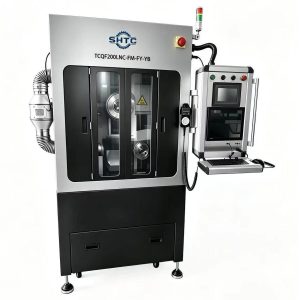
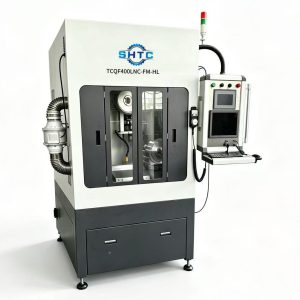
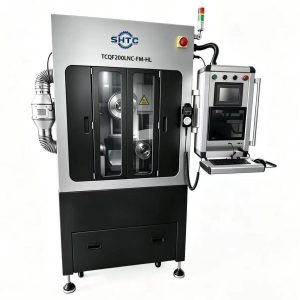
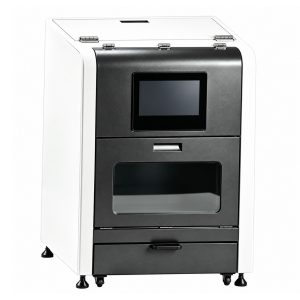
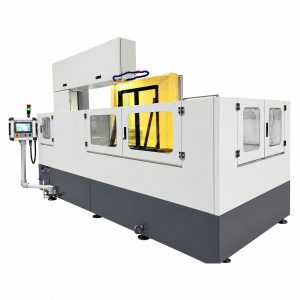
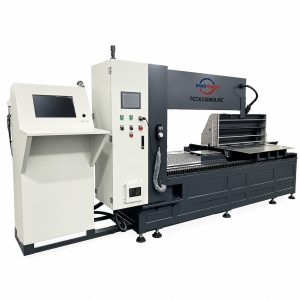
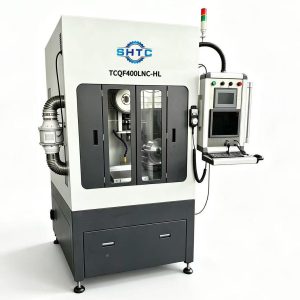
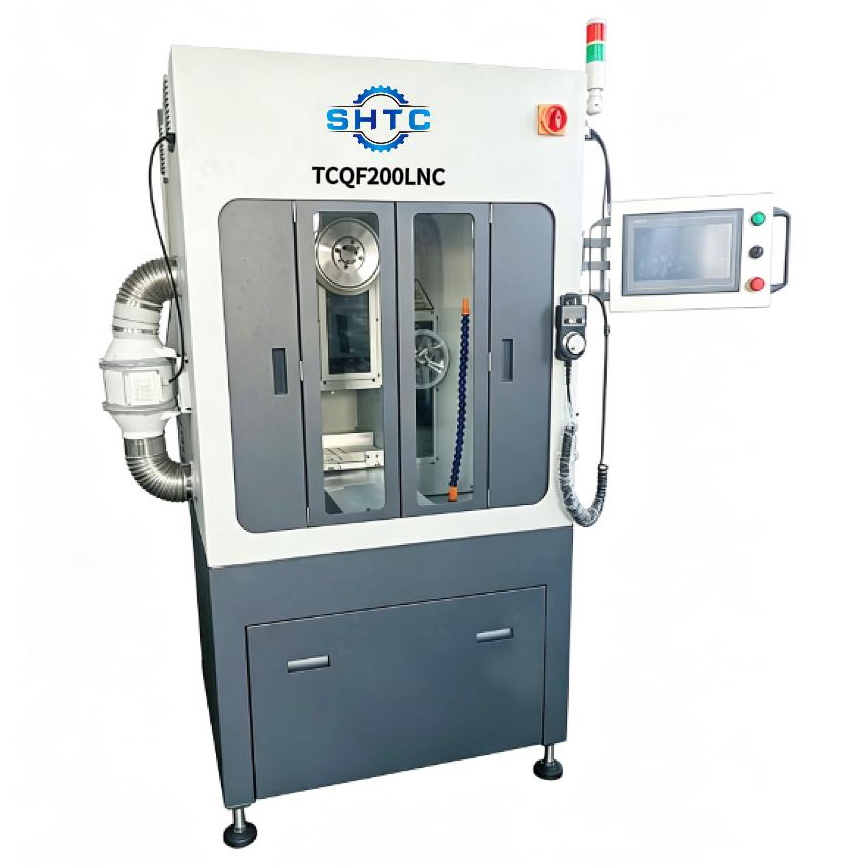
This diamond ring saw (single-wire saw) is purpose-suited for sectioning graphite blocks and electrodes used in lithium-ion battery R&D and electrical discharge machining (EDM) applications. Its precise wire tension control (0–300 N), ultra-fine feed rate adjustment (0.01–35 mm/s), and variable wire speed (0.1–50 mm/s) enable clean, layer-resolved cuts through highly abrasive, anisotropic graphite without delamination, chipping, or excessive wire wear.
Engineered with Q235 structural steel, SS304 stainless components, and 6061 aluminum, the system delivers rigidity and corrosion resistance critical for repeatable energy materials processing. The 1.5 kW motor and 380 V industrial power supply support stable, continuous operation during extended graphite slicing cycles—common in electrode qualification and microstructural analysis workflows.
Unlike manual hand saws or abrasive cutters, this machine eliminates operator-induced variability and thermal damage, preserving graphite’s intrinsic electrochemical and mechanical properties for accurate SEM, XRD, or electrochemical testing.
Industrial single-wire diamond ring saw optimized for controlled, low-damage sectioning of graphite blocks and electrodes—ideal for battery material characterization, anode/cathode prototyping, and EDM electrode preparation in lab and pilot-scale energy R&D environments.
This industrial diamond ring saw is purpose-built for high-fidelity sectioning of graphite—anisotropic, abrasive, and sensitive to thermal or mechanical stress. Used extensively in lithium-ion battery R&D labs and EDM tooling workshops, it delivers layer-resolved cuts in graphite blocks and electrodes without delamination, chipping, or microcracking. Its ultra-precise wire tension (0–300 N), fine feed control (0.01–35 mm/s), and variable wire speed (0.1–50 mm/s) preserve graphite’s intrinsic electrochemical integrity—critical for downstream SEM imaging, XRD phase analysis, and electrochemical testing. Constructed with Q235 structural steel, SS304 stainless components, and 6061 aluminum, the system ensures long-term rigidity and corrosion resistance during repeated use in demanding energy materials workflows. The 1.5 kW motor and 380 V industrial power supply enable stable, continuous operation across extended slicing cycles—ideal for electrode qualification, anode/cathode prototyping, and precision EDM electrode fabrication at lab and pilot scale.