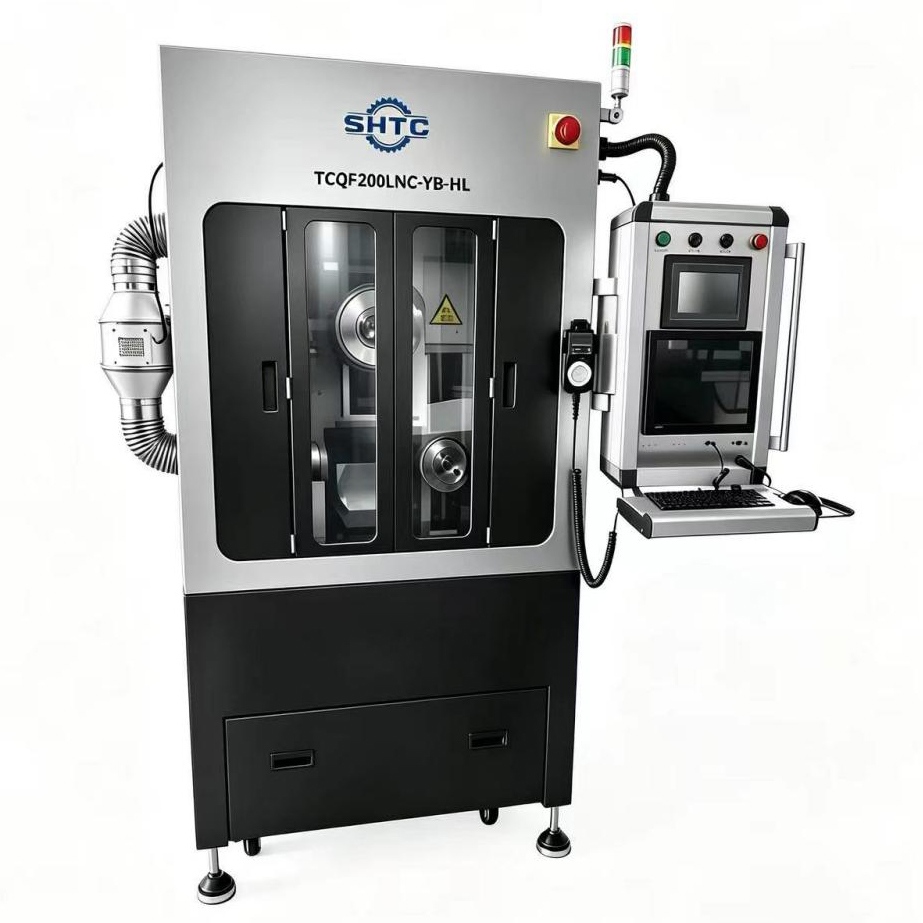
Description
Canadian precision machining job shops face rising overhead from maintaining separate band saws, circular saws, and abrasive cutters — each limited to one or two materials. The Diamond Ring Saw (Single-Wire Saw) eliminates that fragmentation by delivering verified, consistent performance across the full spectrum of non-metallic engineering materials named in its official applications: optical glass, sapphire, precision ceramics, graphite, semiconductor packaging materials, and CFRP composites.
This capability directly supports the fabrication of custom graphite and ceramic fixtures, jigs, and metrology standards — where dimensional stability, edge integrity, and minimal subsurface damage are non-negotiable. With adjustable wire tension (0–300 N), fine feed control (0.01–35 mm/s on X/Y axes), and selectable wire speeds (0.1–50 mm/s), it enables repeatable kerf widths and surface finishes required for functional inspection tools and assembly aids. Built with Q235 structural steel, SS304 wet-zone components, and 6061 aluminum framing, it meets CE requirements and integrates into regulated shop-floor workflows.
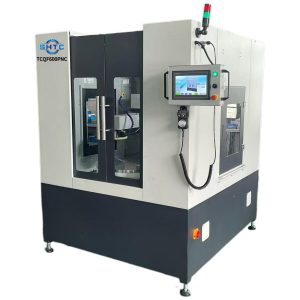
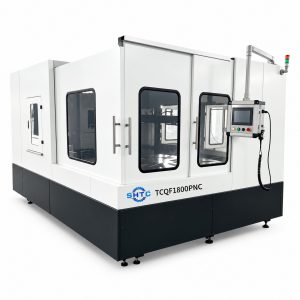
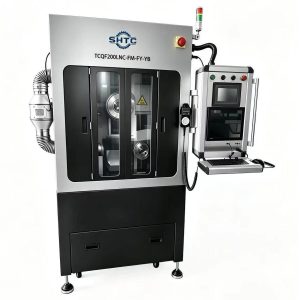
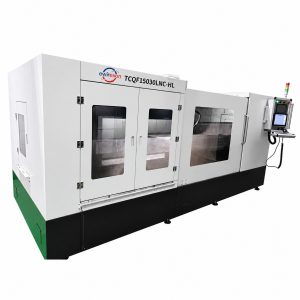
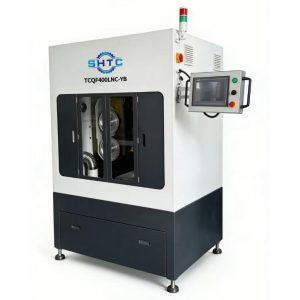
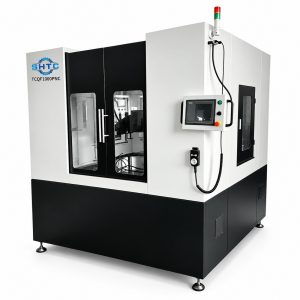
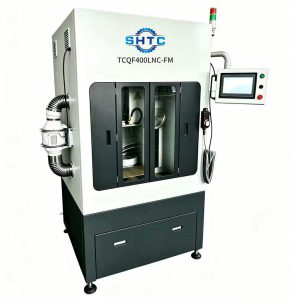
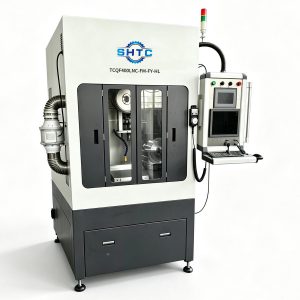
CE-certified diamond ring saw for precision cutting of graphite, ceramics, sapphire, optical glass, and CFRP — enabling reliable fixture, jig, and metrology standard fabrication in tight-tolerance machining environments.
Designed for high-accuracy non-metallic material processing, this CE-certified diamond ring saw replaces multiple dedicated cutters with a single, versatile solution. It delivers consistent, low-damage cuts across optical glass, sapphire, precision ceramics, graphite, semiconductor packaging substrates, and CFRP composites — critical for fabricating functional inspection fixtures, assembly jigs, and metrology-grade standards. Its adjustable wire tension (0–300 N), fine feed control (0.01–35 mm/s), and selectable wire speeds (0.1–50 mm/s) ensure repeatable kerf width and surface integrity. Constructed with Q235 structural steel, SS304 wet-zone components, and 6061 aluminum framing, it supports integration into regulated, high-overhead Canadian job shop environments where dimensional stability and edge quality are mission-critical.