Description
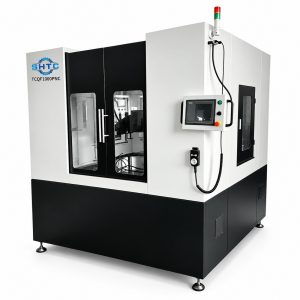
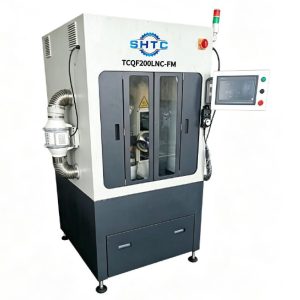
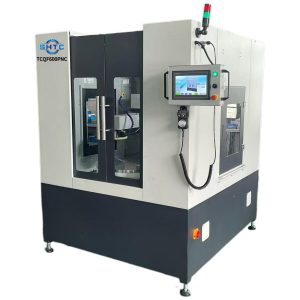
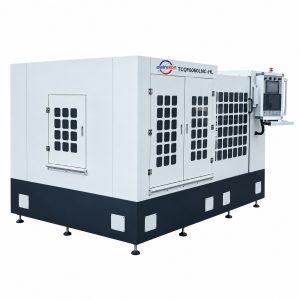
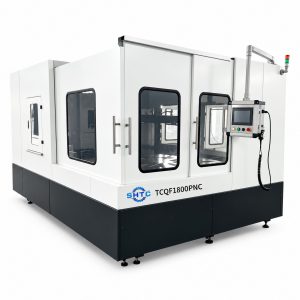
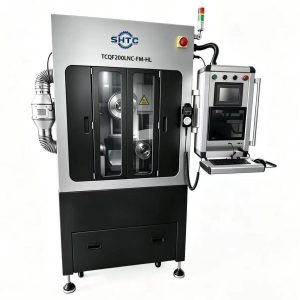
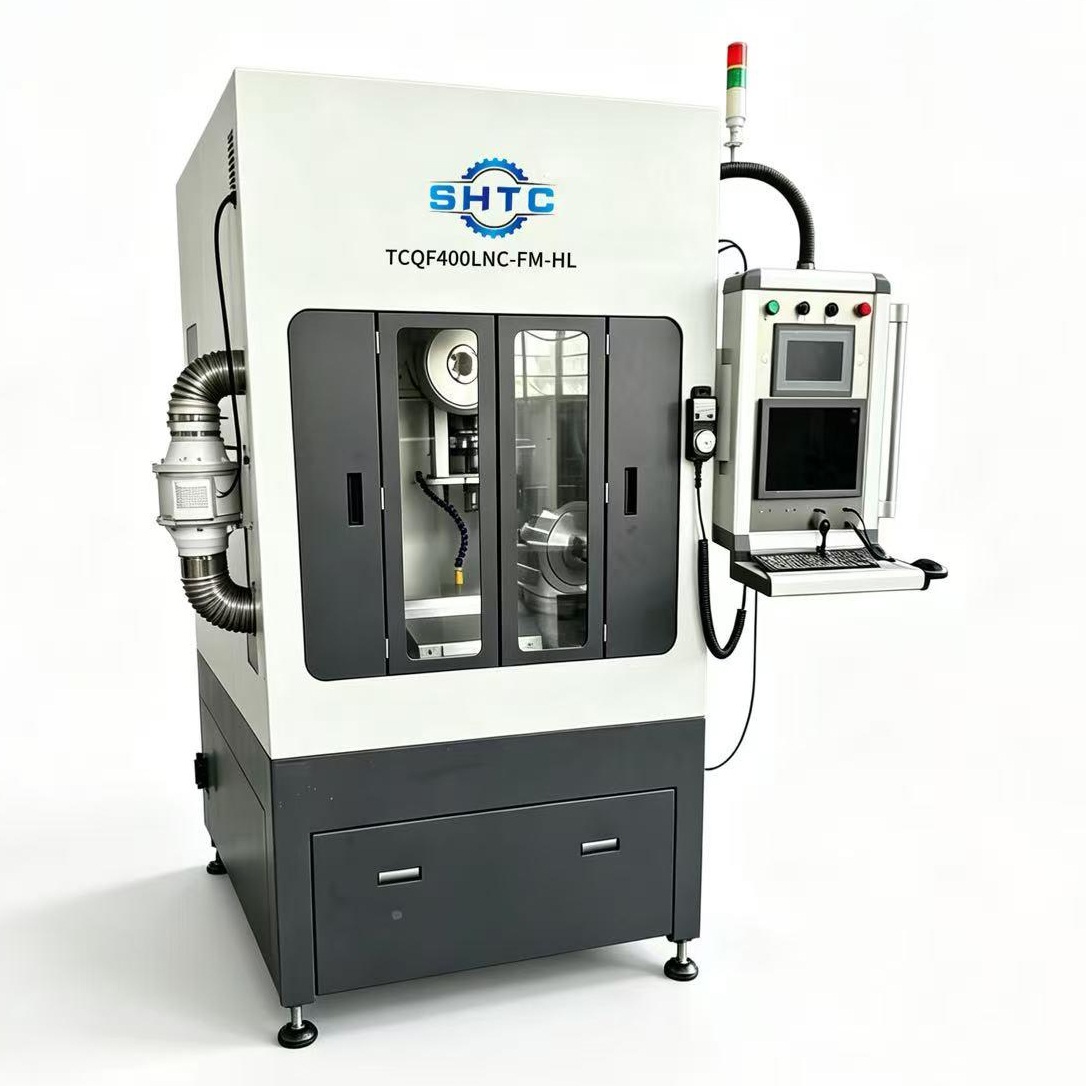
This diamond ring saw is purpose-built for materials characterization laboratories performing failure analysis and metrology-driven sample preparation. Unlike abrasive or blade-based saws, its single-wire diamond architecture delivers ultra-low vibration and minimal thermal input—preventing microstructural distortion, smearing, or recrystallization in sensitive graphite and precision ceramic components.
With programmable wire speed (0.1–50 mm/s), fine-tuned tension control (0–300 N), and sub-micron feed rates (0.01–35 mm/s on X/Y axes), it ensures clean, planar cuts that retain true grain morphology and interfacial fidelity. The system’s rigid Q235+SS304+6061 frame and CE-certified operation support repeatable, traceable results in regulated lab environments.
Validated for cutting graphite and precision ceramics per manufacturer specifications, this saw directly addresses the core challenge in failure analysis: eliminating preparation-induced artifacts that compromise downstream analytical validity.
Low-tension, variable-speed diamond ring saw designed for failure analysis labs—enables clean, distortion-free sectioning of graphite and precision ceramics to preserve grain boundaries and interfacial integrity for SEM, EBSD, and XRD.
This diamond ring saw is purpose-built for materials characterization laboratories conducting failure analysis and metrology-critical sample preparation. Its single-wire diamond architecture eliminates the high vibration and thermal loading typical of abrasive or blade-based systems—ensuring microstructural fidelity in sensitive graphite anodes, silicon carbide components, alumina substrates, and other precision ceramics. Programmable wire speed (0.1–50 mm/s), precise tension control (0–300 N), and sub-micron X/Y feed rates (0.01–35 mm/s) enable planar, artifact-free cuts essential for downstream electron microscopy (SEM), electron backscatter diffraction (EBSD), and X-ray diffraction (XRD) analysis. Constructed with a rigid hybrid frame (Q235 structural steel, SS304 stainless, and 6061 aluminum), it meets CE safety standards and supports traceable, repeatable operation in regulated environments such as semiconductor packaging labs, battery R&D centers, and aerospace component testing facilities.