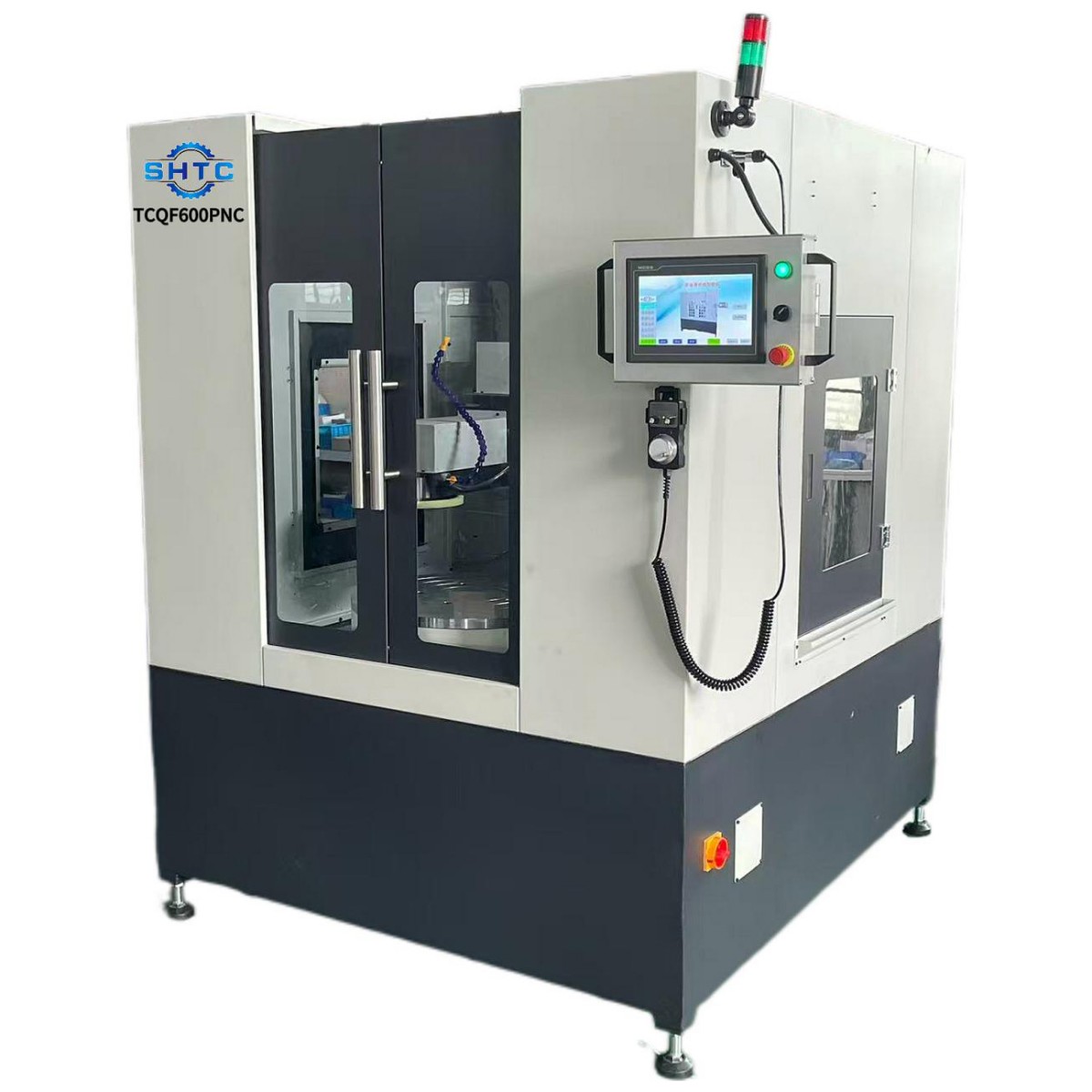
Description
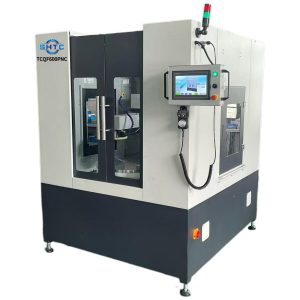
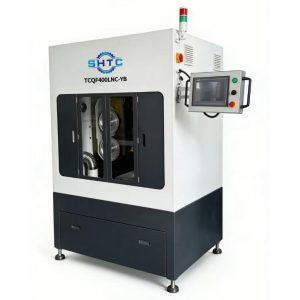
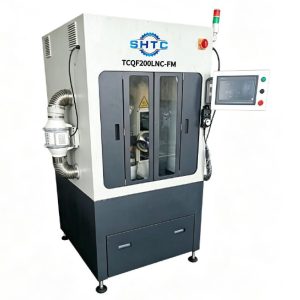
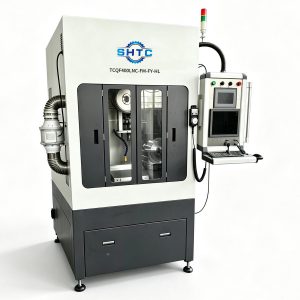
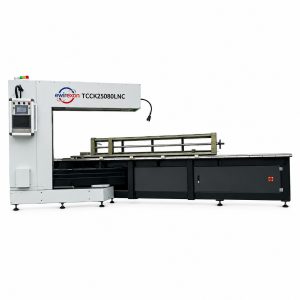
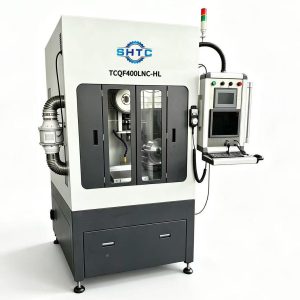
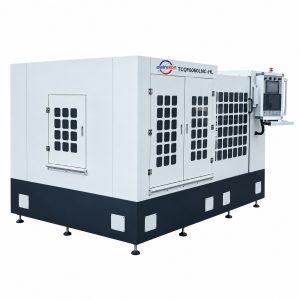
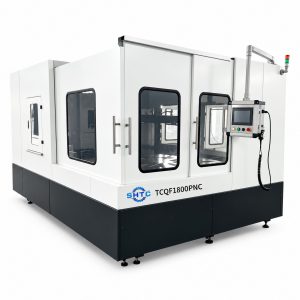
Engineered for the exacting demands of nuclear fusion infrastructure development, this diamond ring saw enables ultra-precise, low-contamination slicing of high-purity graphite and precision ceramics—materials essential for plasma-facing components and diagnostic instrumentation in tokamaks and stellarators.
Its single-wire architecture eliminates kerf loss and mechanical vibration common in multi-blade systems, preserving material integrity and dimensional accuracy. The fully sealed wire path, stainless steel (SS304) and aluminum (6061) wetted surfaces, and Q235 structural frame ensure compatibility with cleanroom and vacuum-prep environments—minimizing metallic shedding and particulate generation during cutting.
With adjustable wire tension (0–500 N), fine feed control (0.01–35 mm/s), and programmable wire speed (0.1–35 mm/s), it supports repeatable, sub-micron cut consistency across brittle, anisotropic, or thermally sensitive fusion-grade substrates—without thermal damage or interfacial contamination.
Single-wire diamond ring saw for vacuum-compatible, low-particulate cutting of fusion-grade graphite and precision ceramics—used in plasma-facing components and diagnostics for tokamaks and stellarators.
This diamond ring saw is purpose-built for the most demanding applications in nuclear fusion infrastructure development. It delivers ultra-precise, thermally neutral slicing of high-purity isotropic graphite and brittle precision ceramics—key materials for plasma-facing components, diagnostic windows, insulators, and first-wall mockups in tokamaks and stellarators. Its single-wire architecture eliminates kerf loss and mechanical vibration inherent in multi-blade systems, preserving critical dimensional tolerances and microstructural integrity. Fully sealed wire path design, combined with stainless steel (SS304) and aluminum (6061) wetted surfaces and a Q235 structural frame, ensures compatibility with ISO Class 5–7 cleanrooms and vacuum-prep environments—significantly reducing metallic shedding and particulate generation. With programmable wire speed (0.1–35 mm/s), adjustable tension (0–500 N), and fine feed control (0.01–35 mm/s), it enables repeatable, sub-micron cut consistency across anisotropic, thermally sensitive, or radiation-grade substrates—without thermal damage, delamination, or interfacial contamination.