Description
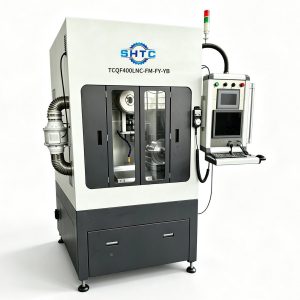
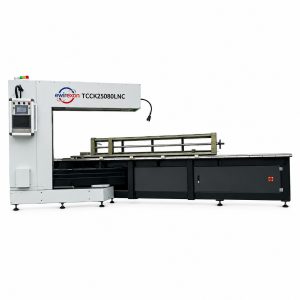
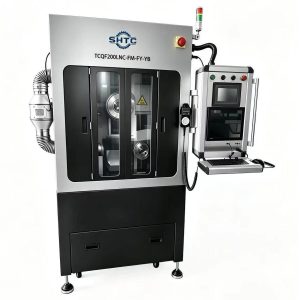
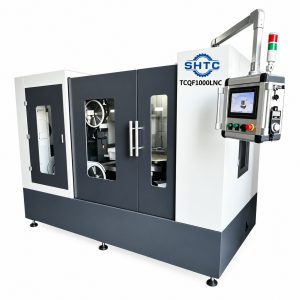
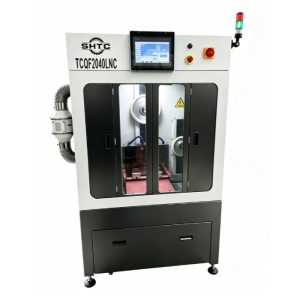
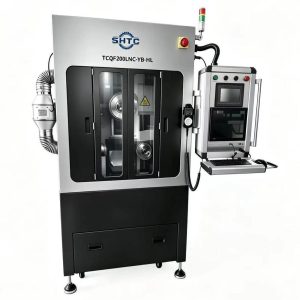
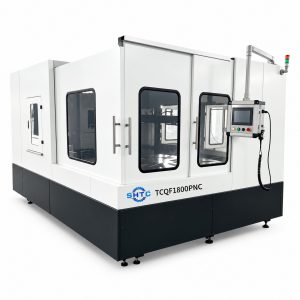
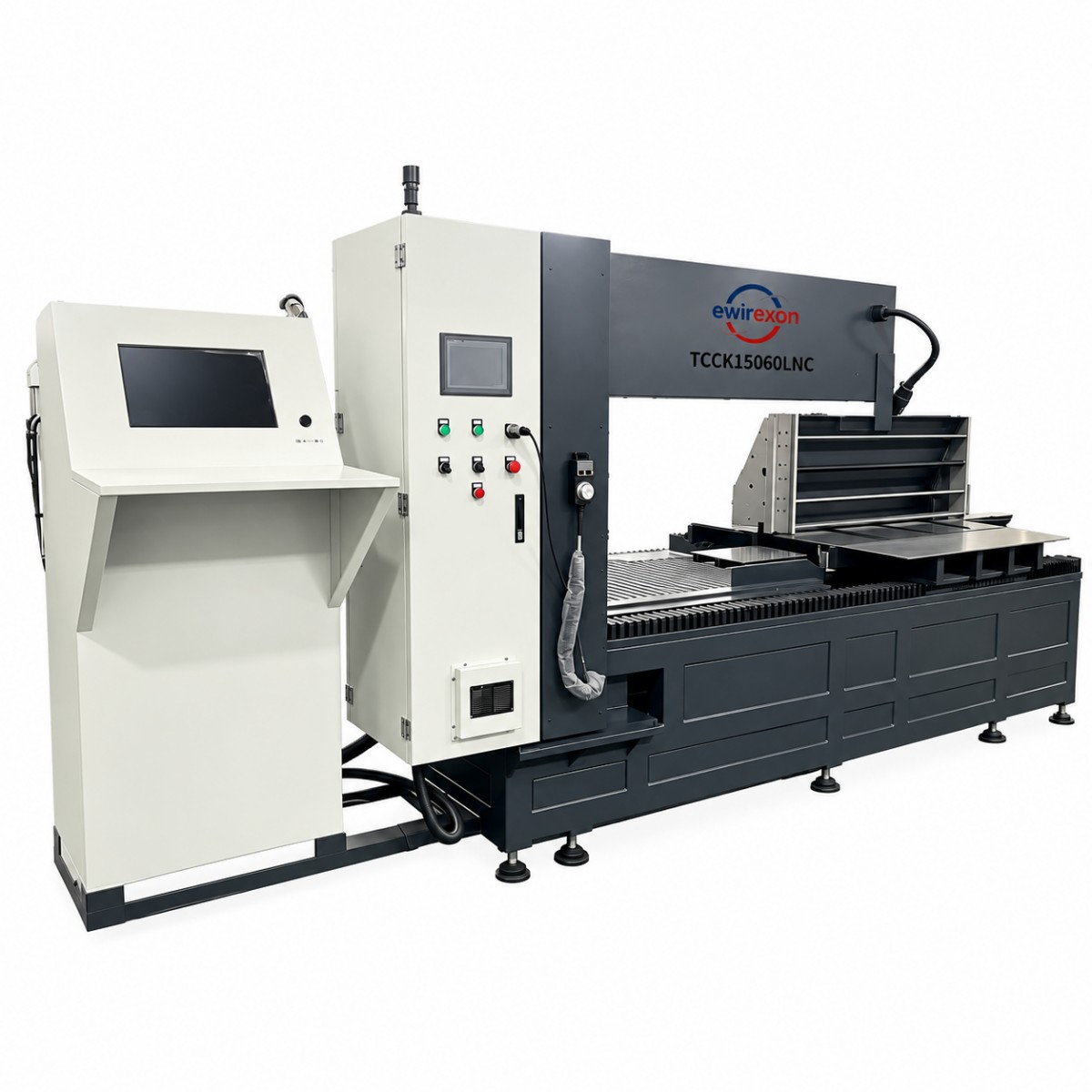
For manufacturers investing in high-integrity composite machining infrastructure, this diamond ring saw is purpose-configured for dicing carbon-fiber-reinforced polymer (CFRP) laminates without inducing delamination, fiber pull-out, or thermal matrix degradation. Unlike conventional rotary or abrasive track saws, its single-diamond-wire architecture applies consistent, low-force tension across the cut path while maintaining sub-micron feed control—enabling straight, burr-free kerfs in thick or multi-layered CFRP stacks.
The system’s adjustable wire speed (0.1–35 mm/s), ultra-fine X/Y axis feed rate (0.01–35 mm/s), and precise tension control (0–500 N) allow process optimization for varying resin systems, fiber orientations, and laminate thicknesses—from aircraft wing skins to wind turbine spar caps. Built with Q235 structural steel, SS304 wet-zone components, and 6061 aluminum motion frames, it ensures long-term dimensional stability under continuous industrial duty. CE-certified and backed by a 1-year warranty, it integrates into automated cell layouts with standard 380V/5.6 kW power requirements.
Diamond ring saw for precision dicing of CFRP laminates—prevents delamination and thermal damage in aerospace and wind energy component production.
This diamond ring saw is a purpose-built, low-vibration wire cutting system designed specifically for high-integrity dicing of carbon-fiber-reinforced polymer (CFRP) laminates. It eliminates common composite machining defects—including delamination, fiber pull-out, and thermal matrix degradation—by applying consistent, low-force tension and sub-micron feed control across the cut path. Its single-diamond-wire architecture delivers straight, burr-free kerfs in thick or multi-layered stacks, making it ideal for critical applications such as aircraft wing skins, fuselage panels, and wind turbine spar caps. With fully adjustable wire speed (0.1–35 mm/s), ultra-precise X/Y axis feed (0.01–35 mm/s), and programmable tension control (0–500 N), the system supports process optimization across diverse resin systems, fiber orientations, and laminate thicknesses. Constructed from Q235 structural steel, SS304 wet-zone components, and 6061 aluminum motion frames, it ensures long-term dimensional stability under continuous industrial operation. CE-certified and compatible with automated cell integration, it meets the rigorous demands of advanced composite manufacturing.