Description
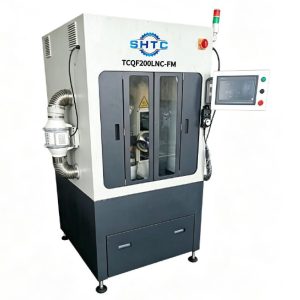
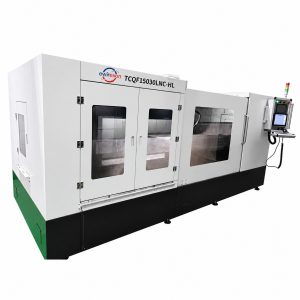
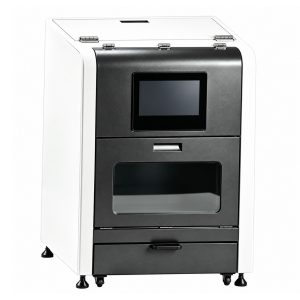
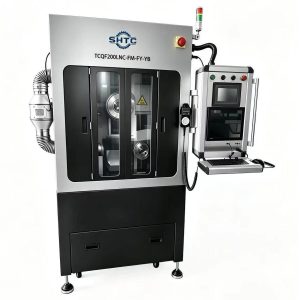
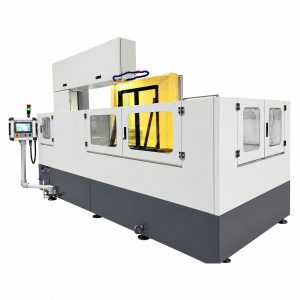
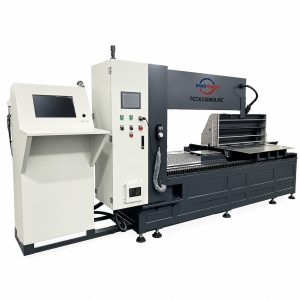
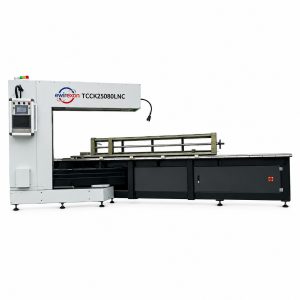
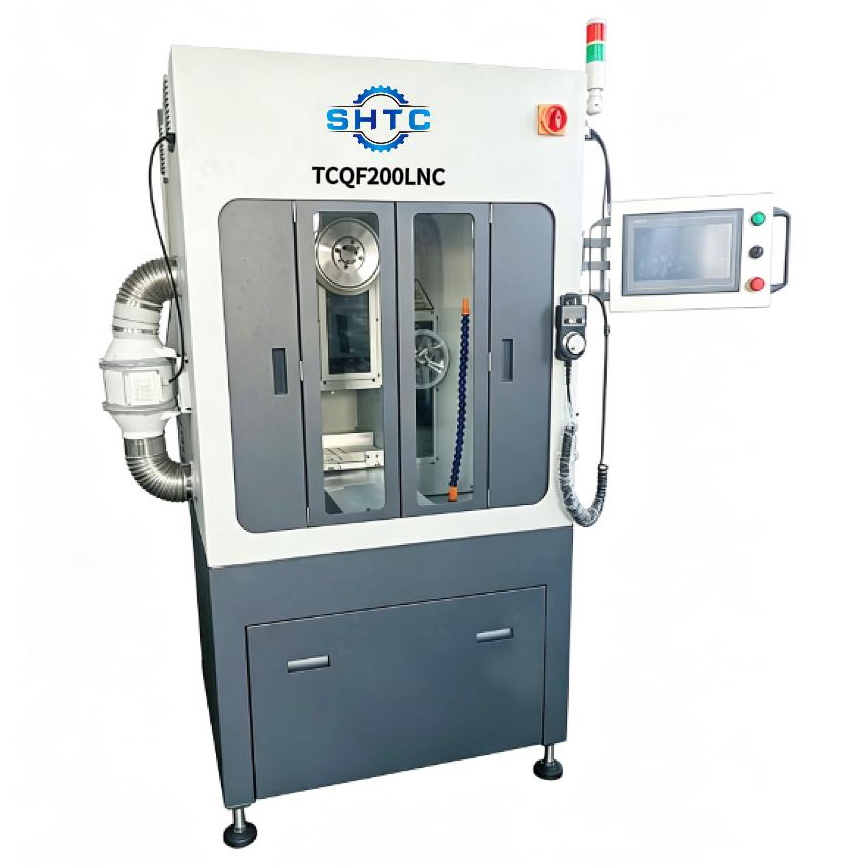
Engineered specifically for demanding composite material development workflows, this diamond ring saw enables precise, repeatable cutting of carbon fiber reinforced polymer (CFRP) composites without compromising structural integrity. Unlike conventional reciprocating saws that induce vibration, heat buildup, or uncontrolled fiber fraying, its single-wire architecture—combined with adjustable wire speed (0.1–50 mm/s), fine-tuned tension control (0–300 N), and ultra-stable X/Y feed rates (0.01–35 mm/s)—ensures clean kerfs and minimal matrix degradation.
Used extensively in aerospace and automotive R&D labs, it supports critical pre-production tasks: trimming CFRP panels for fit-checks, preparing tensile or fatigue test specimens, and slicing hybrid laminates containing carbon fiber and resin systems. The machine’s rigid Q235+SS304+6061 frame and CE-certified 380V/1.5 kW drive system deliver consistent performance under extended prototyping cycles—making it a trusted tool for composite material validation and process optimization.
Precision diamond ring saw for low-damage CFRP composite cutting—used in aerospace and automotive R&D for specimen prep, panel trimming, and hybrid laminate slicing with minimal delamination or thermal degradation.
This industrial diamond ring saw is purpose-built for high-fidelity CFRP composite processing in advanced manufacturing R&D environments. Its single-wire architecture eliminates vibration and thermal stress common with reciprocating tools—ensuring clean, dimensionally stable cuts across carbon fiber laminates, hybrid resin systems, and structural prepregs. Used daily in aerospace and automotive innovation labs, it supports critical pre-production workflows: preparing ASTM-standard tensile and fatigue specimens, trimming prototype CFRP body panels for fit-and-function validation, and slicing multi-material stacks without delamination or fiber pull-out. The rigid Q235 + stainless steel + aluminum frame, CE-certified 380V/1.5 kW drive system, and micro-adjustable wire tension (0–300 N) and feed rates (0.01–35 mm/s) deliver repeatability across extended development cycles. Compatible with wire diameters from Φ0.3 to Φ1.0 mm, it adapts seamlessly to varying composite thicknesses and matrix hardnesses—making it a cornerstone tool for material validation, process refinement, and rapid iteration in lightweight structural design.