Description
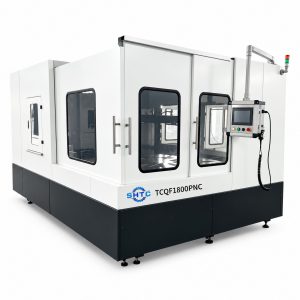
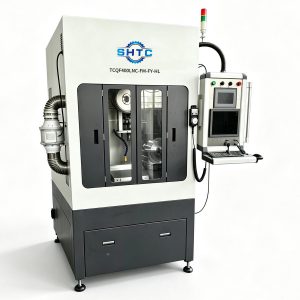
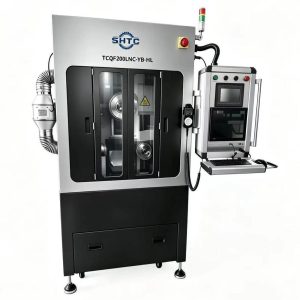
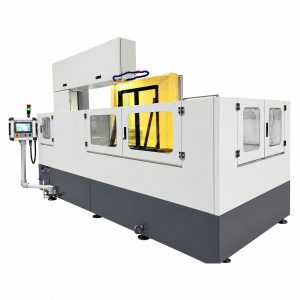
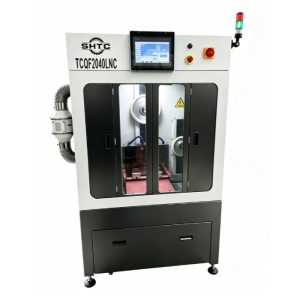
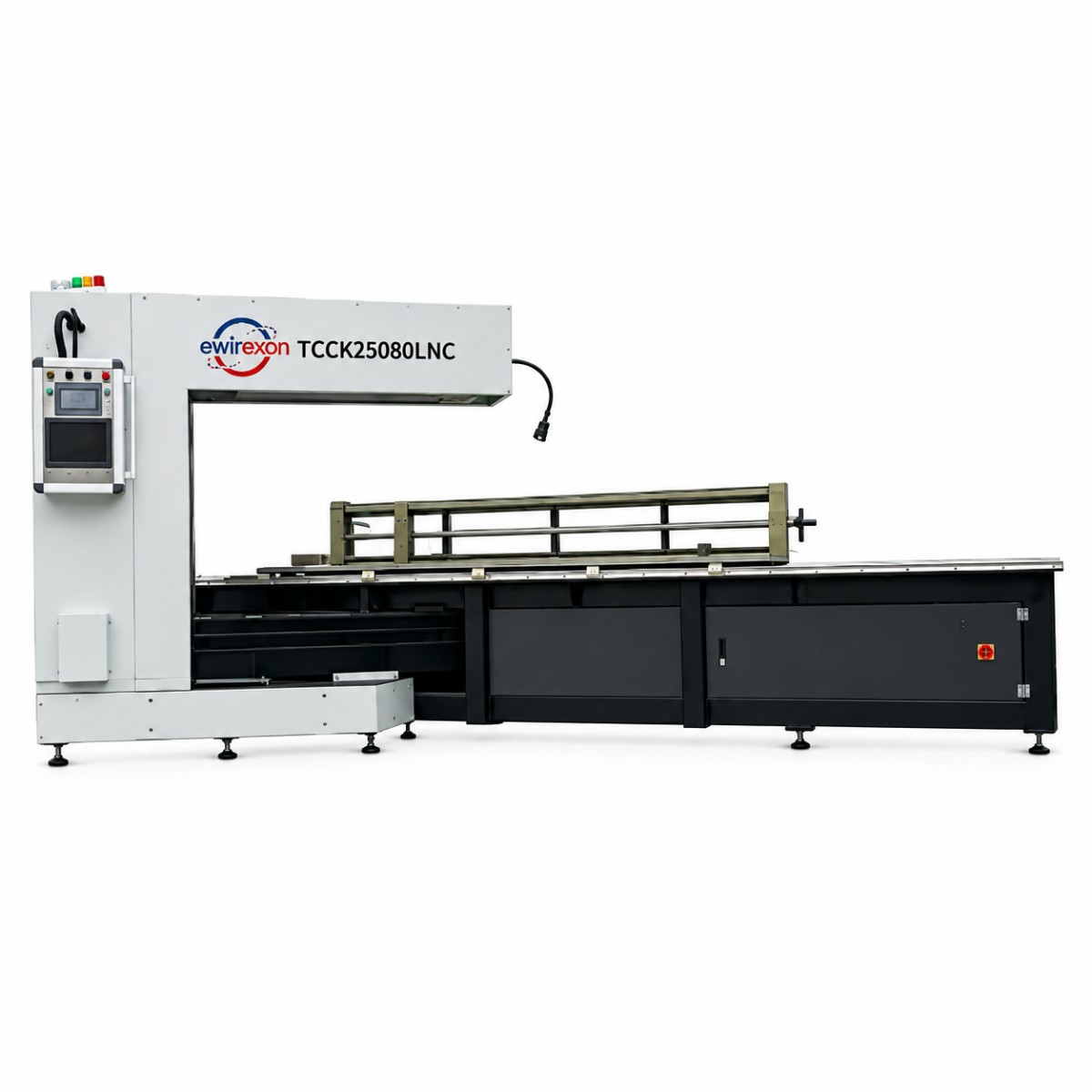
Engineered for researchers and process engineers developing next-generation power electronics and RF devices, this crystal saw enables controlled, low-stress separation of brittle compound semiconductor wafers—including gallium nitride (GaN) and silicon carbide (SiC). Unlike rotary diamond blades that induce micro-chipping and subsurface damage, the single-wire diamond ring saw applies uniform tension and sub-micron feed control to preserve crystal lattice continuity at cut edges.
The system’s adjustable wire speed (0.1–35 mm/s), ultra-fine X/Y axis feed rate (0.01–35 mm/s), and precise tension regulation (0–500 N) allow optimization for delicate wafer geometries and emerging materials like AlN or diamond substrates. Its compatibility with sapphire and precision ceramics—explicitly confirmed in its supported applications—extends naturally to lattice-matched semiconductor substrates requiring atomic-level edge fidelity.
Constructed from Q235 structural steel, SS304 stainless, and 6061 aluminum, the machine ensures thermal and mechanical stability during extended R&D runs. CE-certified and built for customization, it integrates into cleanroom-adjacent lab environments and pilot production lines where reproducibility and defect minimization are non-negotiable.
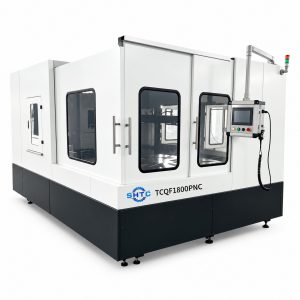
Single-wire diamond ring saw for precision dicing of GaN, SiC, sapphire, and other brittle semiconductor wafers in R&D and pilot production—designed to minimize micro-chipping and subsurface damage.
This single-wire diamond ring saw delivers controlled, low-stress separation of brittle compound semiconductor wafers—ideal for research and pilot-scale fabrication of power electronics and RF devices. Its uniform wire tension, sub-micron feed control, and adjustable speed (0.1–35 mm/s) preserve crystal lattice integrity in sensitive materials like gallium nitride (GaN), silicon carbide (SiC), aluminum nitride (AlN), diamond substrates, and sapphire. Compatible with optical glass, precision ceramics, graphite, CFRP, and semiconductor packaging materials, it supports atomic-level edge fidelity critical for device performance. Built with Q235 structural steel, SS304 stainless, and 6061 aluminum, the system ensures thermal and mechanical stability during extended runs. CE-certified and cleanroom-adjacent ready, it integrates seamlessly into advanced materials labs and small-batch production lines where reproducibility and defect minimization are essential.