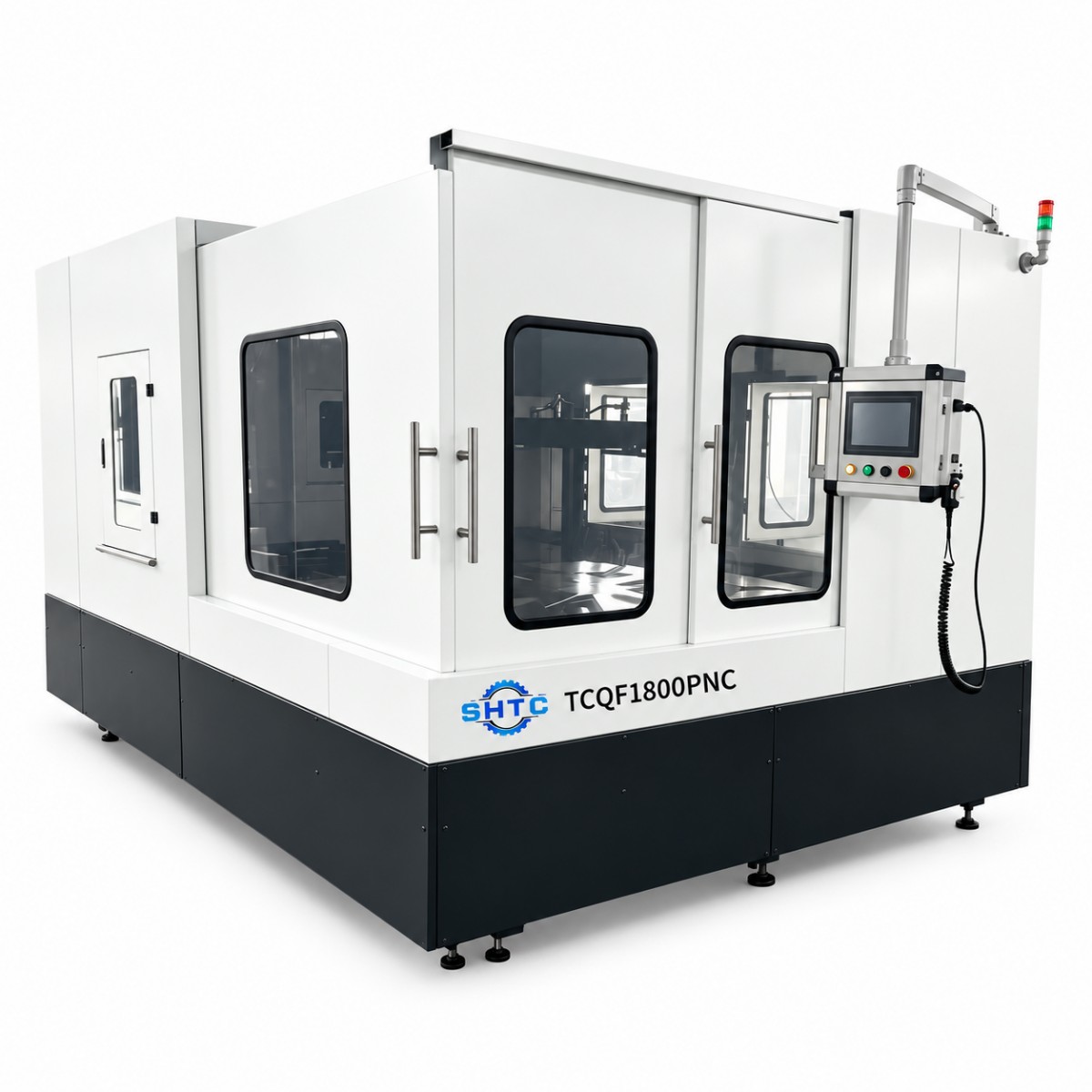
Description
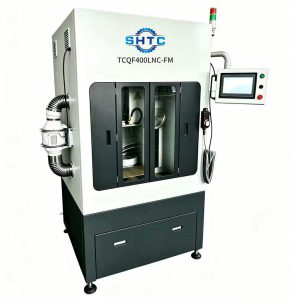
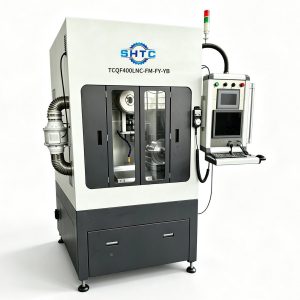
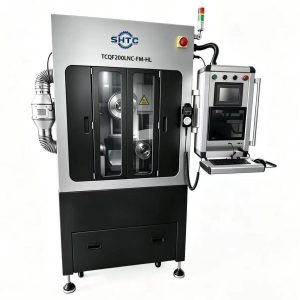
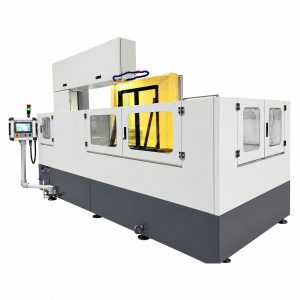
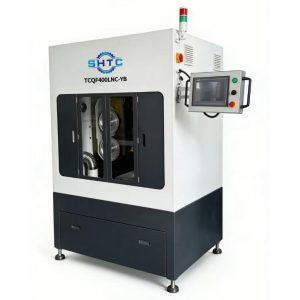
This crystal saw is specifically configured for B2B manufacturers producing optical components for defense systems and high-power laser platforms. It delivers deterministic, low-damage slicing of synthetic sapphire and optical-grade quartz — materials known for extreme hardness, birefringence, and thermal sensitivity. Unlike abrasive or multi-wire methods, the single-wire diamond ring saw enables precise kerf control, consistent surface integrity, and repeatable thickness tolerance critical for waveplate, window, and substrate fabrication.
Engineered with Q235 structural steel, SS304 wet-zone components, and 6061 aluminum motion frames, the system maintains dimensional stability under prolonged duty cycles. Its adjustable wire tension (0–500 N), ultra-fine X/Y feed rate (0.01–35 mm/s), and programmable wire speed (0.1–35 mm/s) allow process optimization for brittle crystal anisotropy and thermal expansion behavior. CE-certified and built for integration into cleanroom-adjacent or controlled manufacturing environments.
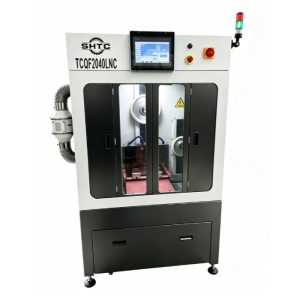
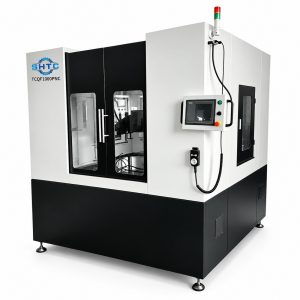
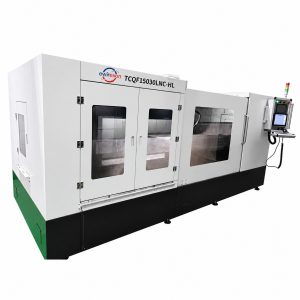
Single-wire diamond ring saw for low-damage, high-precision slicing of synthetic sapphire and optical quartz — optimized for waveplates, laser windows, and optical substrates in defense and photonics manufacturing.
This purpose-built diamond ring saw delivers deterministic, low-subsurface-damage slicing of synthetic sapphire and optical-grade quartz — materials critical to high-reliability optical components. Designed for manufacturers supplying defense systems, ultrafast laser platforms, and precision photonic devices, it enables repeatable thickness control (±0.5 µm), minimal kerf loss, and preserved crystal lattice integrity. Its single-wire architecture avoids the microcracking and thermal distortion common with abrasive or multi-wire methods. The system integrates seamlessly into cleanroom-adjacent production lines, featuring corrosion-resistant wet-zone construction (SS304), rigid structural framing (Q235 steel), and lightweight motion control (6061 aluminum). Programmable feed rates (0.01–35 mm/s), fine-tuned wire tension (0–500 N), and adjustable wire speed support process optimization across anisotropic crystal orientations and thermal expansion profiles.