説明
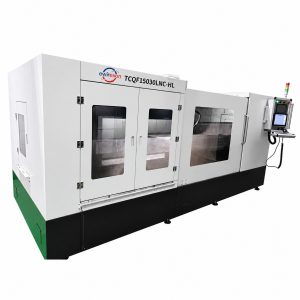
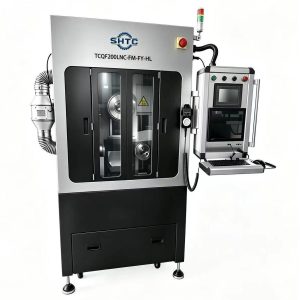
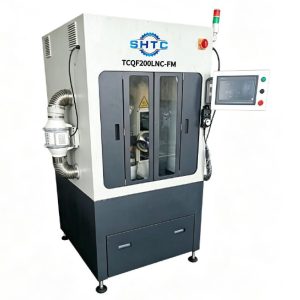
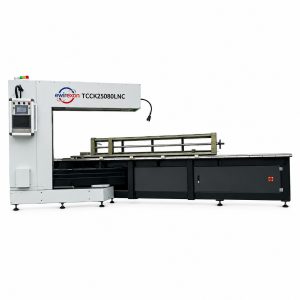
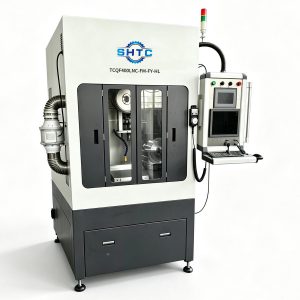
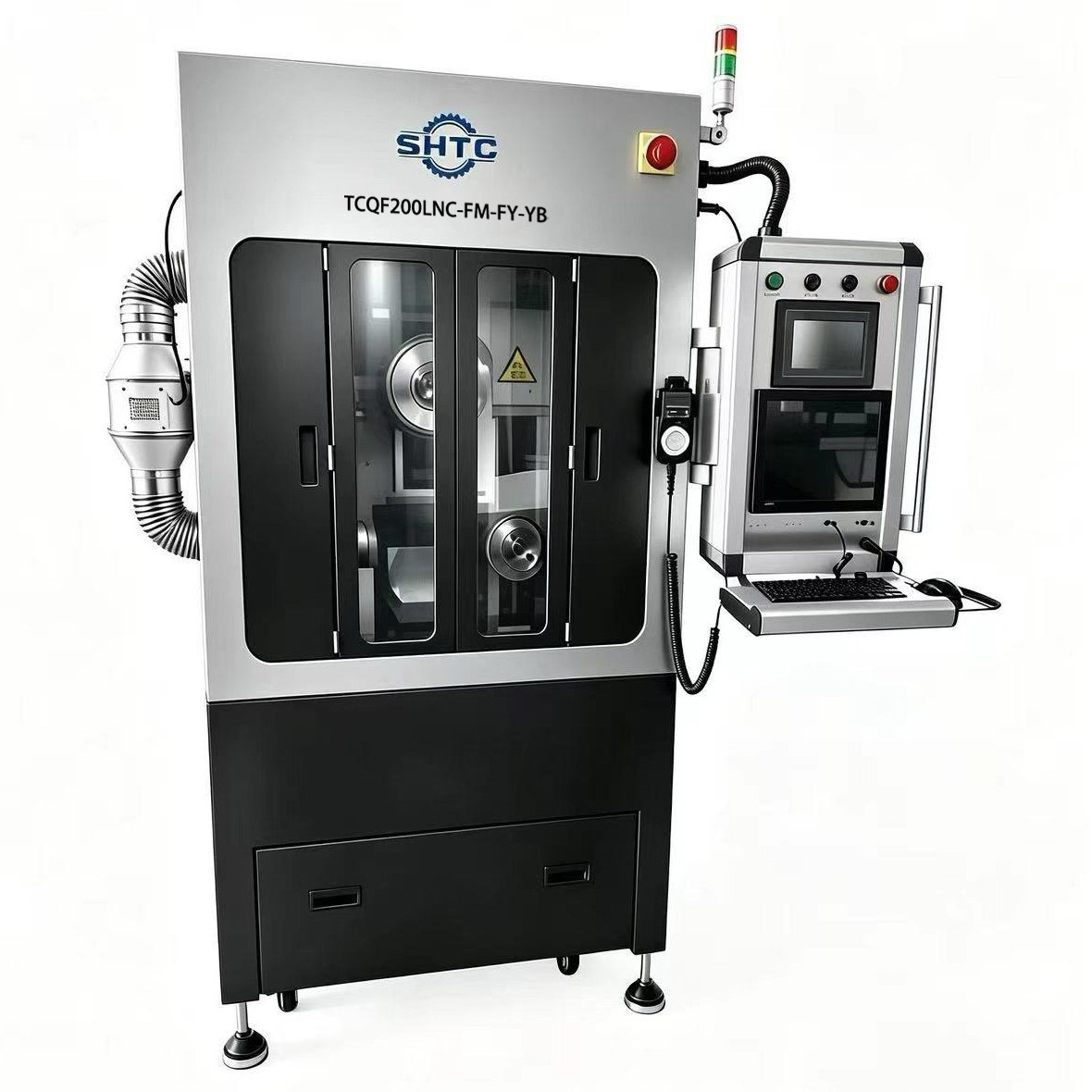
This wire cutting machine is purpose-built for exploratory material science workflows where conventional blade-based systems risk catastrophic fracture in unknown or highly anisotropic brittle materials. Its single-diamond-wire architecture eliminates lateral stress, enabling clean, low-damage sectioning of research-grade specimens—including emerging classes like MAX phases and ultra-high-temperature ceramics.
Engineered for flexibility in grant-funded labs, it offers fully adjustable parameters: wire tension (0–300 N), feed rates (0.01–35 mm/s), and ultra-fine speed control (0.1–50 mm/s) to match evolving experimental requirements. The robust Q235+SS304+6061 construction ensures stability during long-duration, low-force cuts—critical when characterizing fragile microstructures or directional fracture behavior.
CE-certified and compatible with standard 380V lab infrastructure, this research-grade wire cutting machine supports rapid iteration across diverse brittle substrates without retooling—directly addressing the core challenge of mechanical incompatibility in early-stage materials discovery.
A flexible, low-force diamond wire cutting machine for researchers sectioning brittle materials—including MAX phases, ultra-high-temp ceramics, sapphire, optical glass, and precision ceramics—with minimal fracture risk.
This research-grade diamond wire cutting machine is purpose-built for material scientists working with highly anisotropic or fracture-prone specimens where conventional blade-based sectioning risks catastrophic damage. Its single-wire architecture eliminates lateral stress, enabling clean, controlled cuts in emerging brittle materials such as MAX phases, ultra-high-temperature ceramics, sapphire, optical glass, precision ceramics, graphite, semiconductor packaging substrates, and CFRP composites.
Designed for flexibility in grant-funded and exploratory research environments, it delivers fully adjustable wire tension (0–300 N), feed rates (0.01–35 mm/s), and ultra-fine speed control (0.1–50 mm/s). Constructed from Q235 structural steel, SS304 stainless steel, and 6061 aluminum, the system ensures long-duration stability during delicate microstructure characterization or directional fracture analysis.
CE-certified and compatible with standard 380V lab infrastructure, it supports rapid iteration across diverse brittle substrates—no retooling required. Ideal for university labs, national research centers, and advanced materials development teams seeking reproducible, low-damage sectioning at the frontier of materials discovery.