説明
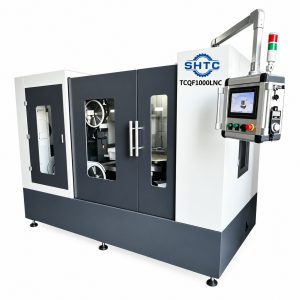
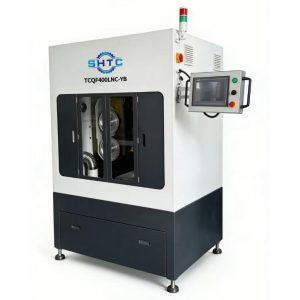
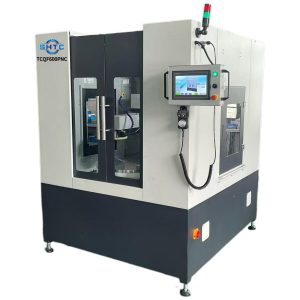
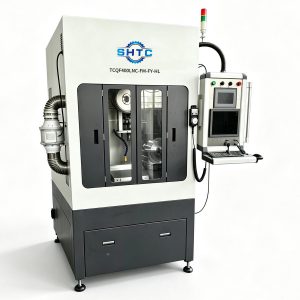
For R&D labs and small-batch production facilities developing next-generation aerospace components or FDA-regulated medical implants, consistent, defect-free sectioning of precision ceramics is non-negotiable. Conventional abrasive or mechanical saws introduce microcracks, edge chipping, and intergranular delamination — compromising structural integrity and invalidating test data. This diamond ring saw eliminates those risks using a continuously moving single diamond-impregnated wire under precisely controlled tension (0–500 N) and ultra-low feed rates (0.01–35 mm/s), enabling clean, cold-cut sectioning without thermal stress or mechanical distortion.
Its application scope explicitly includes ‘precision ceramics’ — confirmed by the manufacturer’s stated support: Applications: Cutting of optical glass, sapphire, precision ceramics, graphite, semiconductor packaging materials and CFRP composites. The system’s rigid Q235+SS304+6061 frame, sub-micron X/Y axis resolution, and adjustable wire speed (0.1–35 mm/s) ensure repeatability across brittle, high-hardness ceramic grades such as alumina, zirconia, silicon carbide, and silicon nitride — commonly used in turbine seals, sensor housings, and orthopedic/biointerface implants.
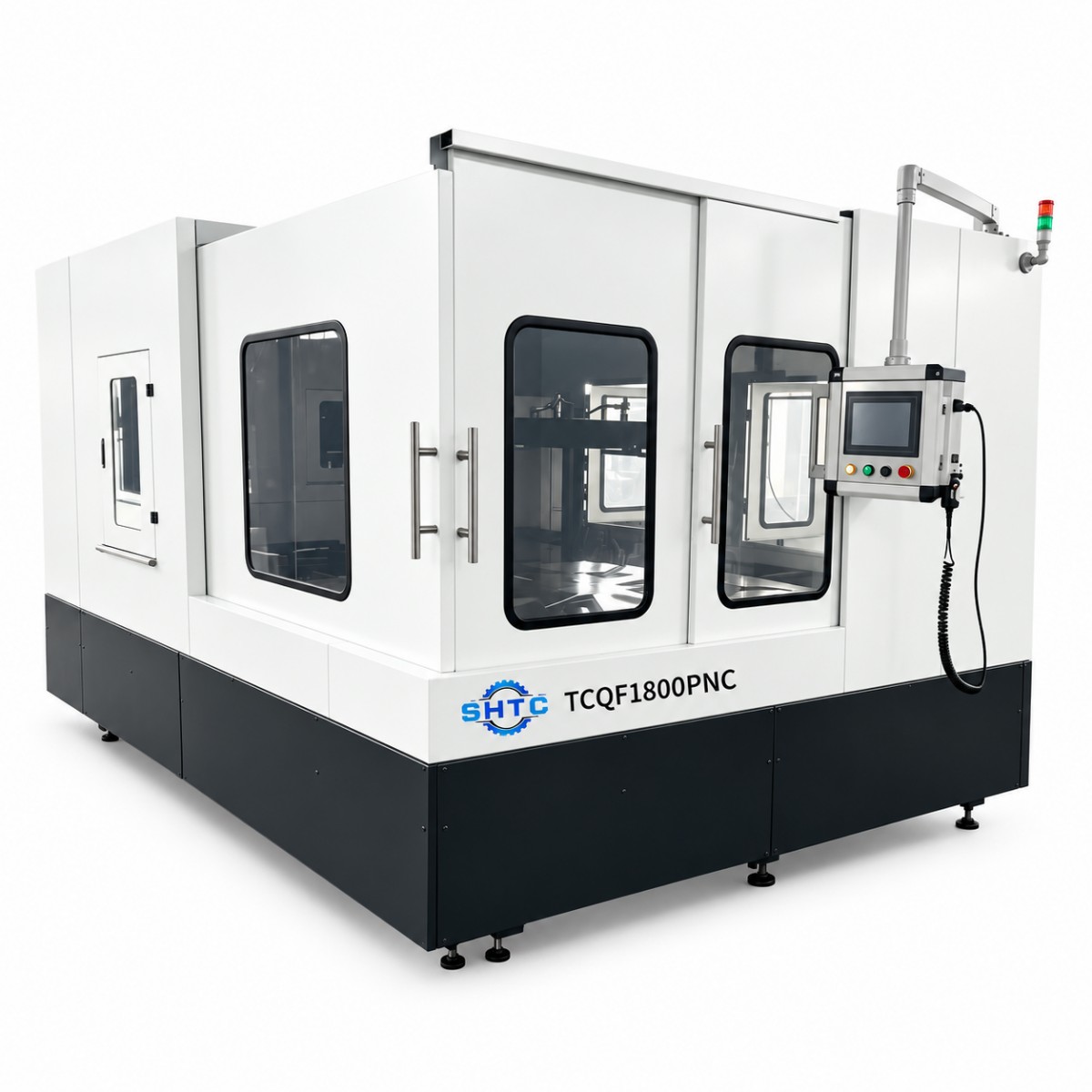
Single-wire diamond ring saw enabling micron-level, thermally neutral sectioning of precision ceramics — critical for aerospace component testing and FDA-regulated medical implant prototyping.
Engineered for mission-critical R&D environments, this diamond ring saw delivers cold, distortion-free sectioning of ultra-hard, brittle technical ceramics — including alumina, zirconia, silicon carbide, and silicon nitride. Unlike abrasive or mechanical saws that induce microcracks, edge chipping, or intergranular delamination, it uses a continuously moving, single diamond-impregnated wire under tightly controlled tension (0–500 N) and ultra-fine feed rates (0.01–35 mm/s). Its rigid hybrid frame (Q235 structural steel, SS304, and 6061 aluminum), sub-micron X/Y positioning, and adjustable wire speed ensure repeatable, subsurface-damage-free cuts — essential for validating turbine seals, sensor housings, orthopedic implants, and biointerface devices. Also validated for optical glass, sapphire, graphite, semiconductor packaging substrates, and CFRP composites.