Descrizione
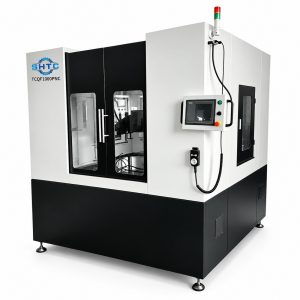
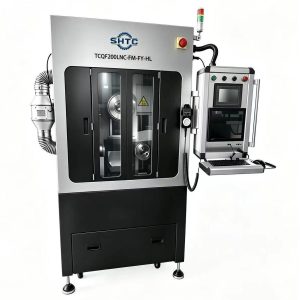
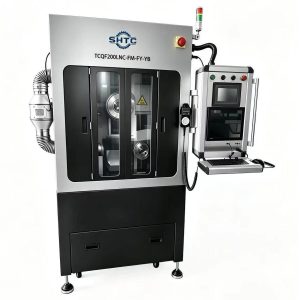
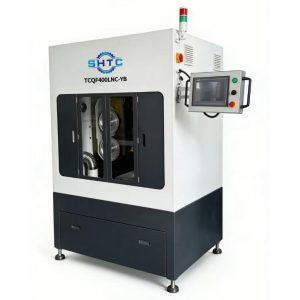
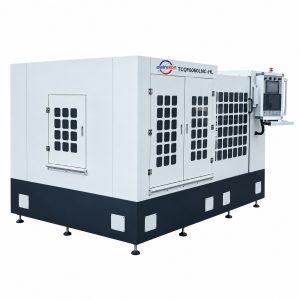
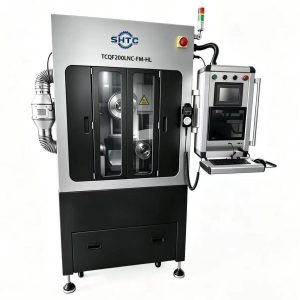
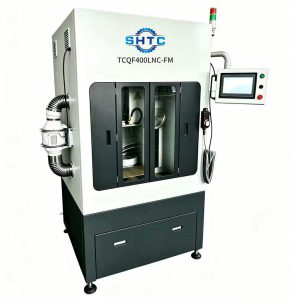
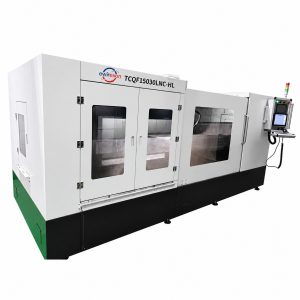
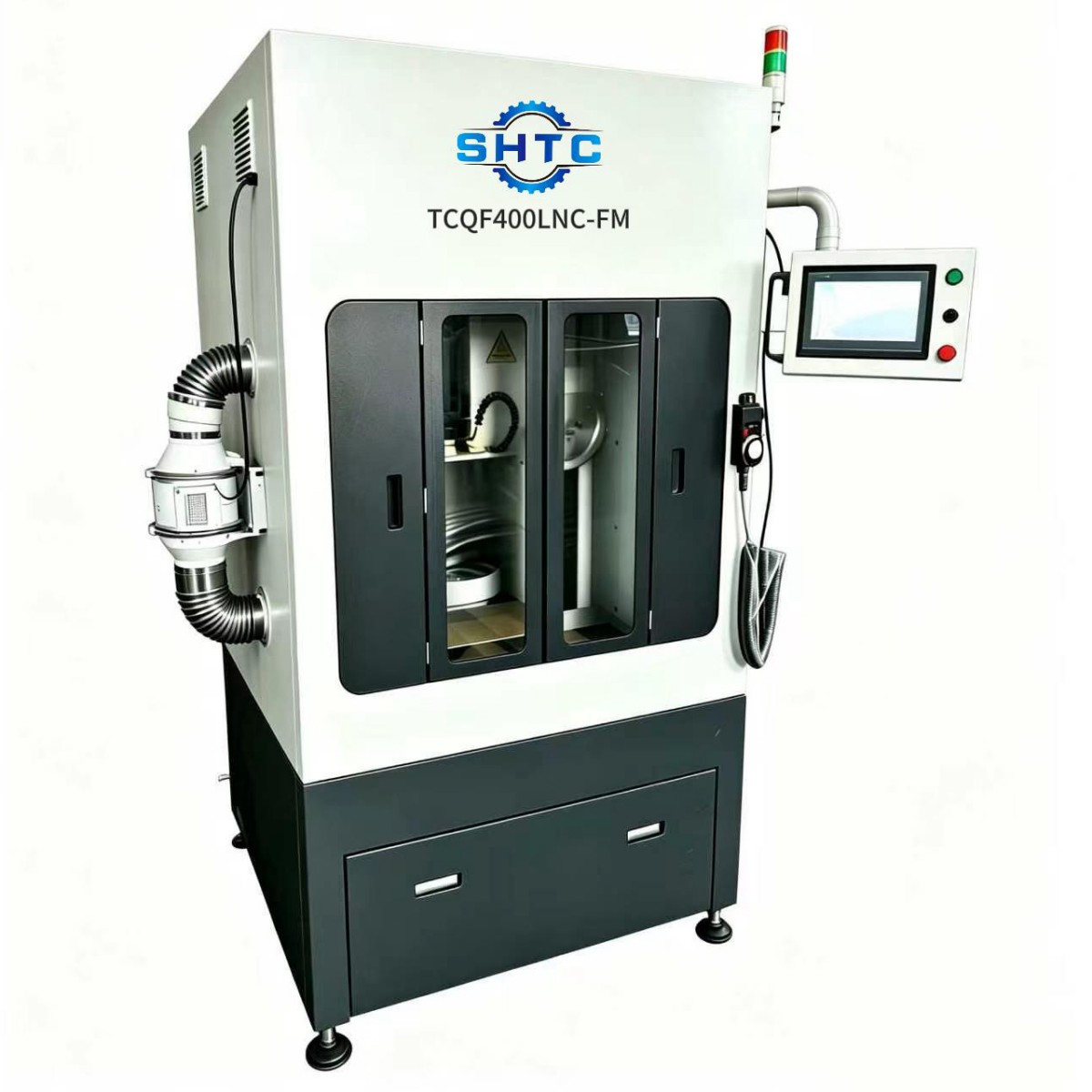
This diamond ring saw is purpose-configured for academic and national R&D environments where experimental flexibility and parameter fidelity are non-negotiable. Unlike industrial multi-wire or abrasive blade systems, it delivers the sub-micron repeatability and real-time tunability required to evaluate fracture behavior, kerf loss, and subsurface damage in emerging brittle materials — especially transparent ceramics, MAX phases, and other lab-synthesized compounds still outside commercial processing standards.
Its 0.01–35 mm/s X/Y axis feed rate and 0–300 N wire tension range allow researchers to isolate cutting variables methodically — critical when correlating microstructure with machinability. The 0.1–50 mm/s adjustable wire speed supports both slow, high-fidelity slicing for TEM sample prep and faster iterative cuts during formulation screening. Built with Q235 structural steel, SS304 wet-zone components, and 6061 aluminum for thermal stability, it meets CE safety requirements and integrates seamlessly into controlled lab environments across Malaysian universities and national research institutes.
Research-optimized diamond ring saw for precise, low-damage sectioning of novel brittle materials—including transparent ceramics and MAX phases—designed for Malaysian university labs advancing advanced materials IP.
This diamond ring saw is purpose-built for advanced materials research in university and national laboratories—where reproducibility, parameter control, and minimal subsurface damage are essential. It excels at slicing next-generation brittle materials such as transparent ceramics, MAX phases, optical glass, sapphire, graphite, semiconductor packaging substrates, and CFRP composites. With ultra-fine motion control—including X/Y feed rates from 0.01 to 35 mm/s, wire tension from 0 to 300 N, and adjustable wire speed (0.1–50 mm/s)—it supports both high-fidelity TEM sample preparation and rapid iterative testing during materials formulation. Constructed from Q235 structural steel, SS304 wet-zone components, and thermally stable 6061 aluminum, it meets CE safety standards and integrates reliably into controlled Malaysian research environments.