Descrizione
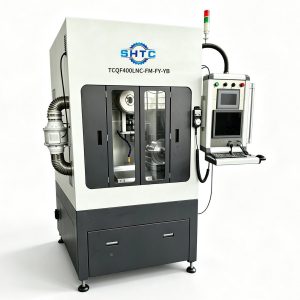
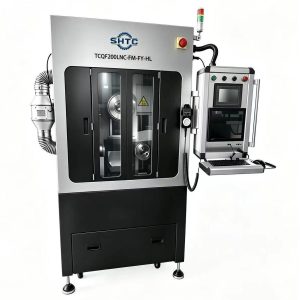
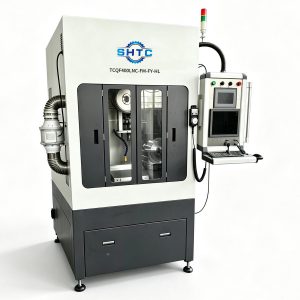
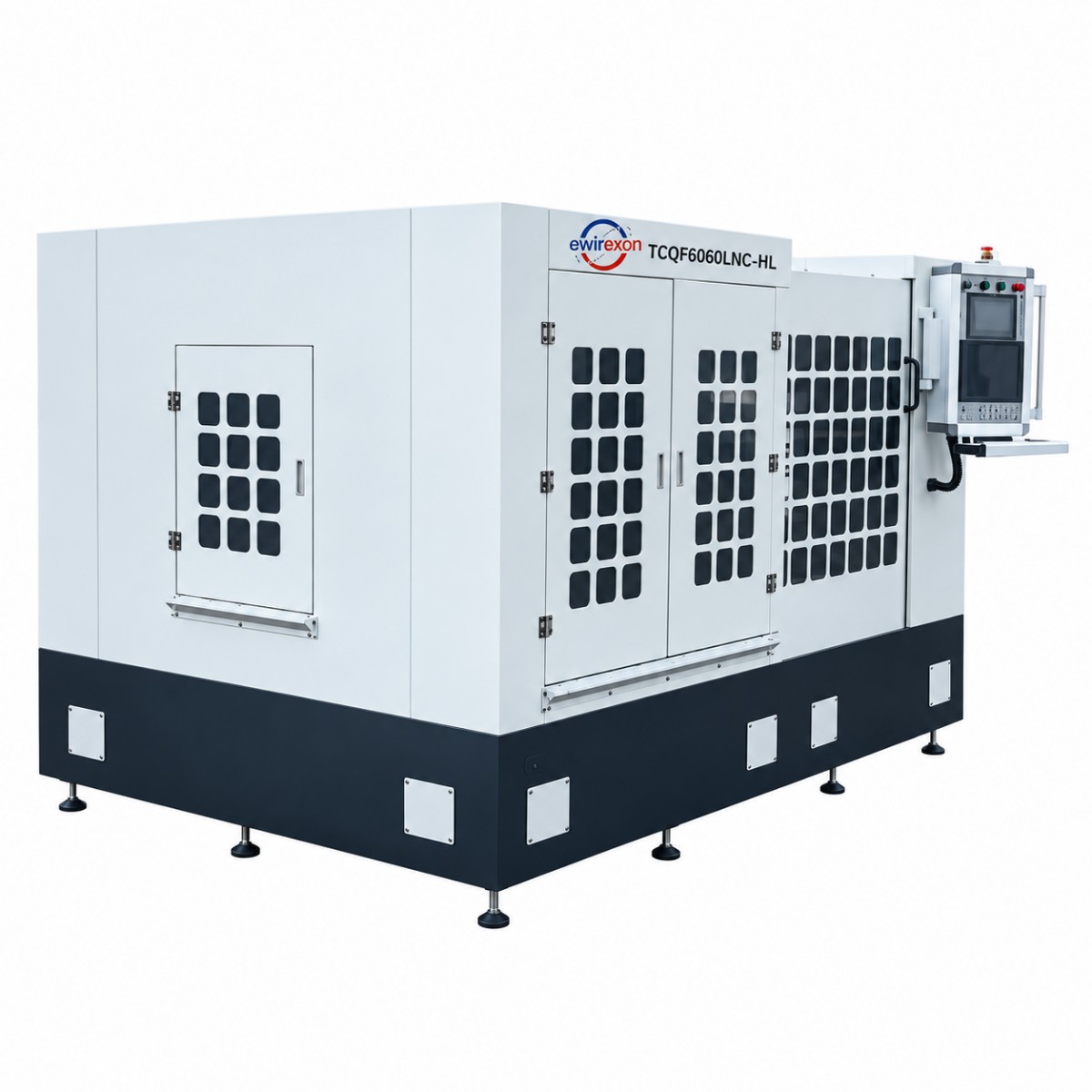
For manufacturers and research labs producing high-performance lenses and optical components, standard mechanical saws often compromise substrate integrity through vibration-induced chipping or localized heating. This diamond ring saw machine solves that challenge with a single-wire, tension-controlled diamond abrasion process optimized specifically for brittle, non-metallic optical materials.
Its precisely regulated wire speed (0.1–35 mm/s), fine-tuned tension range (0–500 N), and sub-micron feed control (X/Y axis: 0.01–35 mm/s) enable clean, parallel kerfs with minimal subsurface damage—preserving the optical homogeneity and polish readiness of fused silica, BK7, SF11, and other precision-grade glasses.
Constructed from Q235 structural steel, SS304 stainless, and 6061 aluminum, the system ensures long-term stability under continuous operation. At 3.4 kW and 380 V, it balances energy efficiency with consistent cutting force across large-format optical blanks. CE-certified and built for integration into cleanroom-adjacent or metrology-grade production environments.
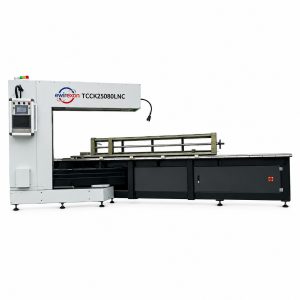
Single-wire diamond ring saw for ultra-precise, low-damage cutting of optical glass, sapphire, and advanced ceramics—designed for lens fabrication, R&D labs, and metrology-critical applications.
Engineered for demanding optical manufacturing and advanced materials R&D, this diamond ring saw delivers exceptional dimensional accuracy and subsurface integrity when cutting brittle, non-metallic substrates. Its single-wire, tension-controlled diamond abrasion process eliminates vibration-induced chipping and thermal distortion common with conventional mechanical saws—making it ideal for high-performance lenses, laser optics, metrology-grade components, and semiconductor packaging substrates. Compatible with fused silica, BK7, SF11, sapphire, precision ceramics, graphite, and CFRP composites, the system supports cleanroom-adjacent integration with CE-certified safety and long-term stability from its Q235 structural steel, SS304 stainless, and 6061 aluminum construction. With sub-micron feed control (0.01–35 mm/s), adjustable wire tension (0–500 N), and fine wire speed regulation (0.1–35 mm/s), it ensures repeatable, parallel kerfs that maintain optical homogeneity and reduce post-processing effort.