Descrizione
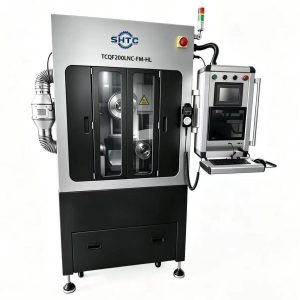
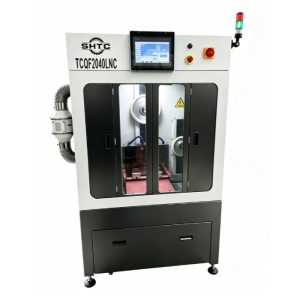
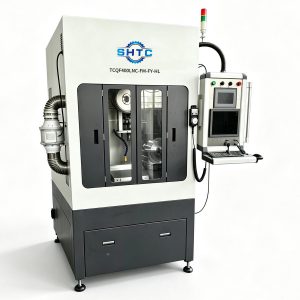
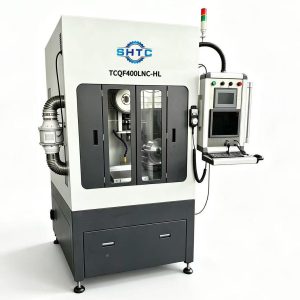
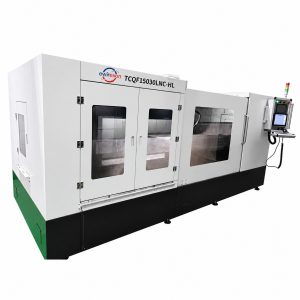
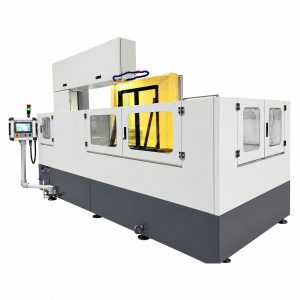
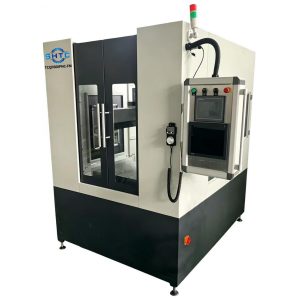
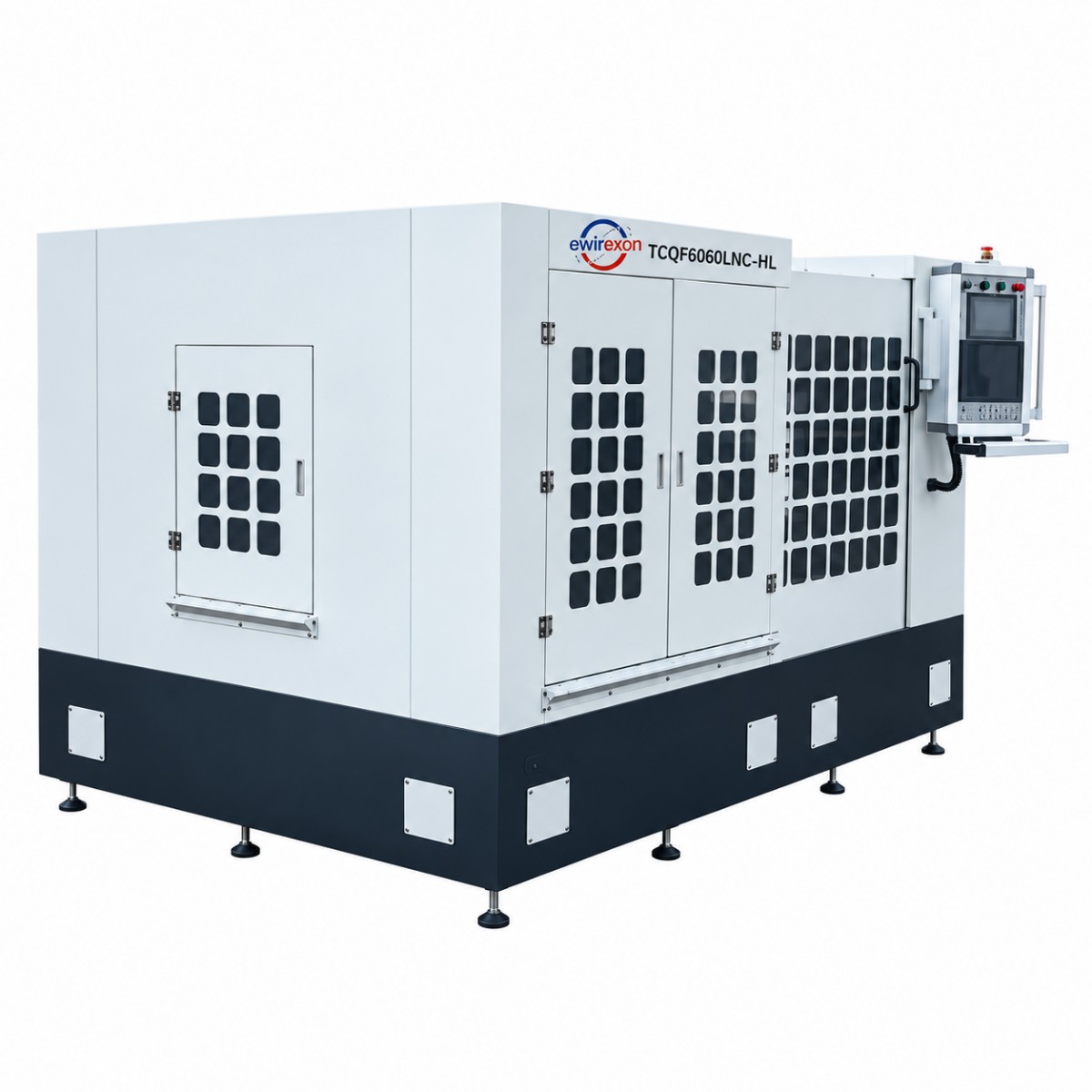
Specialty refractory and thermal processing equipment makers rely on ultra-precise, contamination-free graphite machining. The Diamond Ring Saw (Single-Wire Saw) delivers controlled, low-dust linear cutting specifically suited for fabricating high-purity graphite crucibles, heater elements, insulation sleeves, and furnace linings.
Its adjustable wire speed (0.1–35 mm/s), fine-tuned tension control (0–500 N), and sub-micron feed rate precision (0.01–35 mm/s) prevent chipping, delamination, or density loss in fine-grain isotropic graphite. The non-contact diamond wire process eliminates mechanical loading and heat-induced graphitization degradation—critical when maintaining ASTM D7219-compliant purity and bulk density.
Constructed with Q235 structural steel, SS304 wet-zone components, and 6061 aluminum motion frames, the system resists corrosion from graphite dust exposure and ensures long-term dimensional repeatability across high-volume production runs.
Purpose-built single-wire diamond ring saw for refractory manufacturers cutting high-purity, fine-grain isotropic graphite into crucibles and thermal furnace parts—minimizing dust, microcracking, and contamination while preserving material integrity.
Manufacturers of high-performance thermal processing equipment use this diamond ring saw to cut fine-grain isotropic graphite with exceptional fidelity—critical for crucibles, heater elements, insulation sleeves, and furnace linings. Unlike abrasive or mechanical saws, its non-contact diamond wire process eliminates mechanical loading, heat-induced graphitization, and microcracking, ensuring material integrity and compliance with ASTM D7219 purity and bulk density requirements. With ultra-fine feed rate control (0.01–35 mm/s), adjustable wire tension (0–500 N), and linear speed precision (0.1–35 mm/s), it delivers repeatable, chip-free cuts across high-volume production. Built for harsh refractory environments, the frame combines Q235 structural steel, SS304 wet-zone components, and lightweight 6061 aluminum motion systems—resisting graphite dust corrosion while maintaining long-term dimensional stability.