Deskripsi
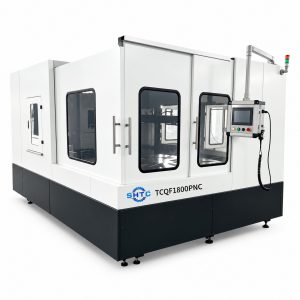
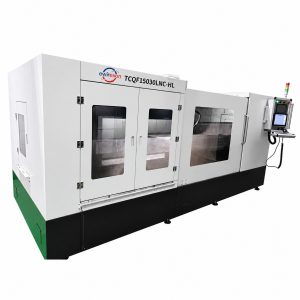
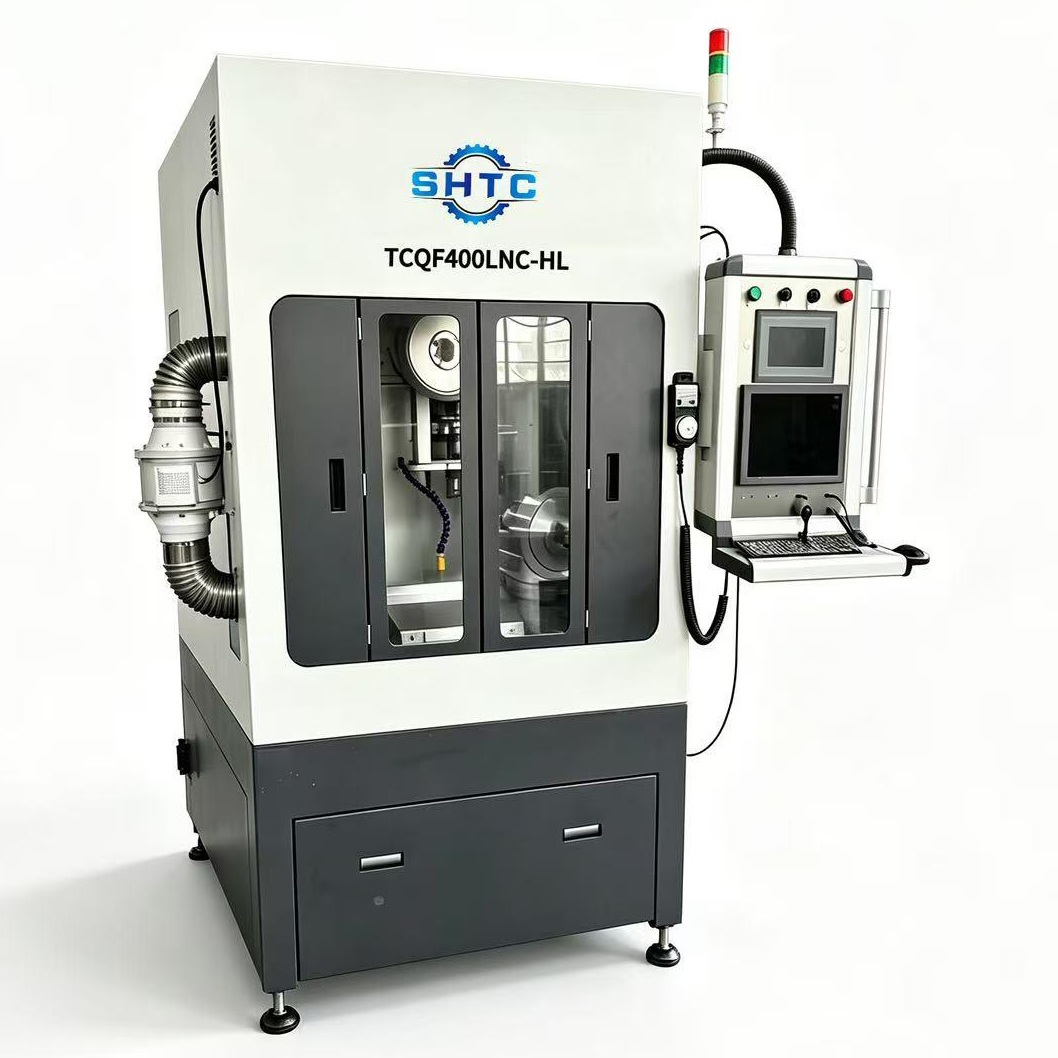
Engineered for mission-critical power electronics manufacturing, this wire saw machine provides ultra-precise, low-stress slicing of semiconductor packaging substrates where surface integrity, microcrack avoidance, and dimensional stability are non-negotiable. It is explicitly validated for cutting semiconductor packaging materials—including silicon carbide (SiC) and aluminum nitride (AlN)—as confirmed by the manufacturer’s stated applications list.
The machine’s adjustable wire tension (0–300 N), fine feed control (X/Y axis: 0.01–35 mm/s), and variable wire speed (0.1–50 mm/s) enable process optimization for brittle wide-bandgap ceramics. Its rigid Q235+SS304+6061 construction and CE certification support integration into ISO-compliant cleanroom or industrial packaging lines. Customization is available to align with specific substrate thicknesses, throughput targets, or automation interfaces.
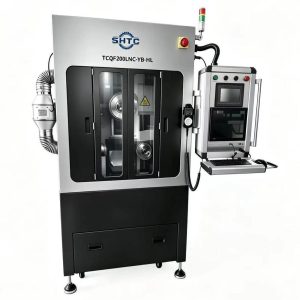
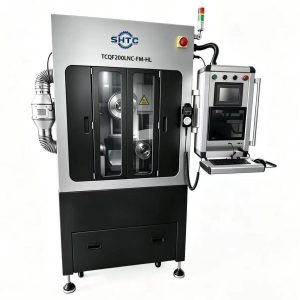
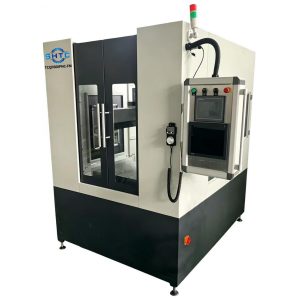
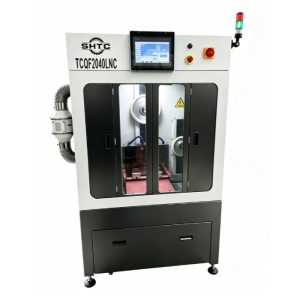
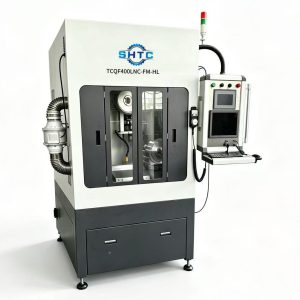
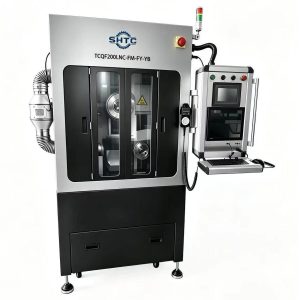
Single-wire diamond saw optimized for low-damage slicing of SiC, AlN, and other brittle semiconductor packaging substrates—ensuring surface integrity and dimensional stability in power electronics manufacturing.
This industrial-grade wire saw machine is purpose-built for the demanding requirements of semiconductor packaging substrate processing—particularly for thermally conductive, brittle wide-bandgap ceramics like silicon carbide (SiC) and aluminum nitride (AlN). Unlike conventional sawing methods, it delivers ultra-low mechanical stress, minimizing subsurface damage and microcracks that compromise thermal performance and die attach reliability. Its fine-tuned motion control—including adjustable wire tension (0–300 N), precise X/Y feed rates (0.01–35 mm/s), and variable wire speed (0.1–50 mm/s)—enables repeatable, high-yield slicing across varying substrate thicknesses and material hardnesses. Constructed with a hybrid rigid frame (Q235 structural steel, SS304 stainless, and 6061 aluminum), it maintains stability during extended cleanroom or production-line operation. CE-certified and compatible with ISO-compliant packaging workflows, it supports integration into automated power module assembly lines—and offers customization for specific throughput, interface, or substrate-handling needs.