Deskripsi
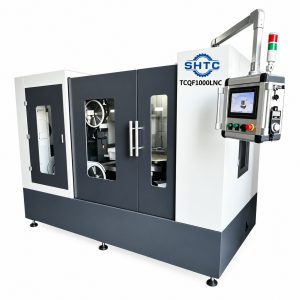
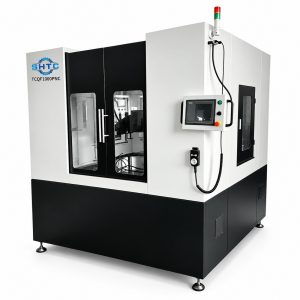
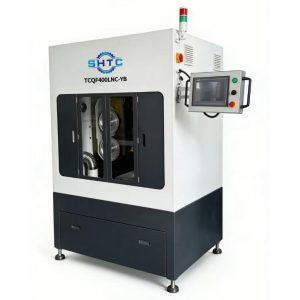
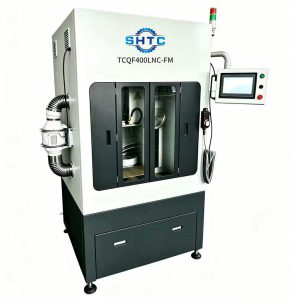
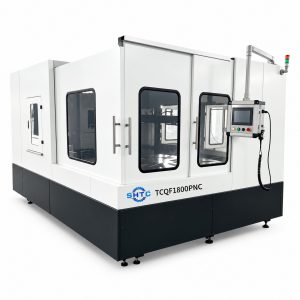
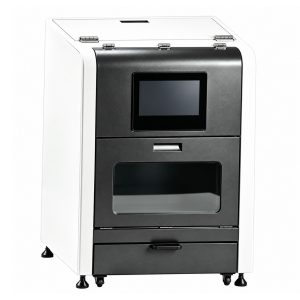
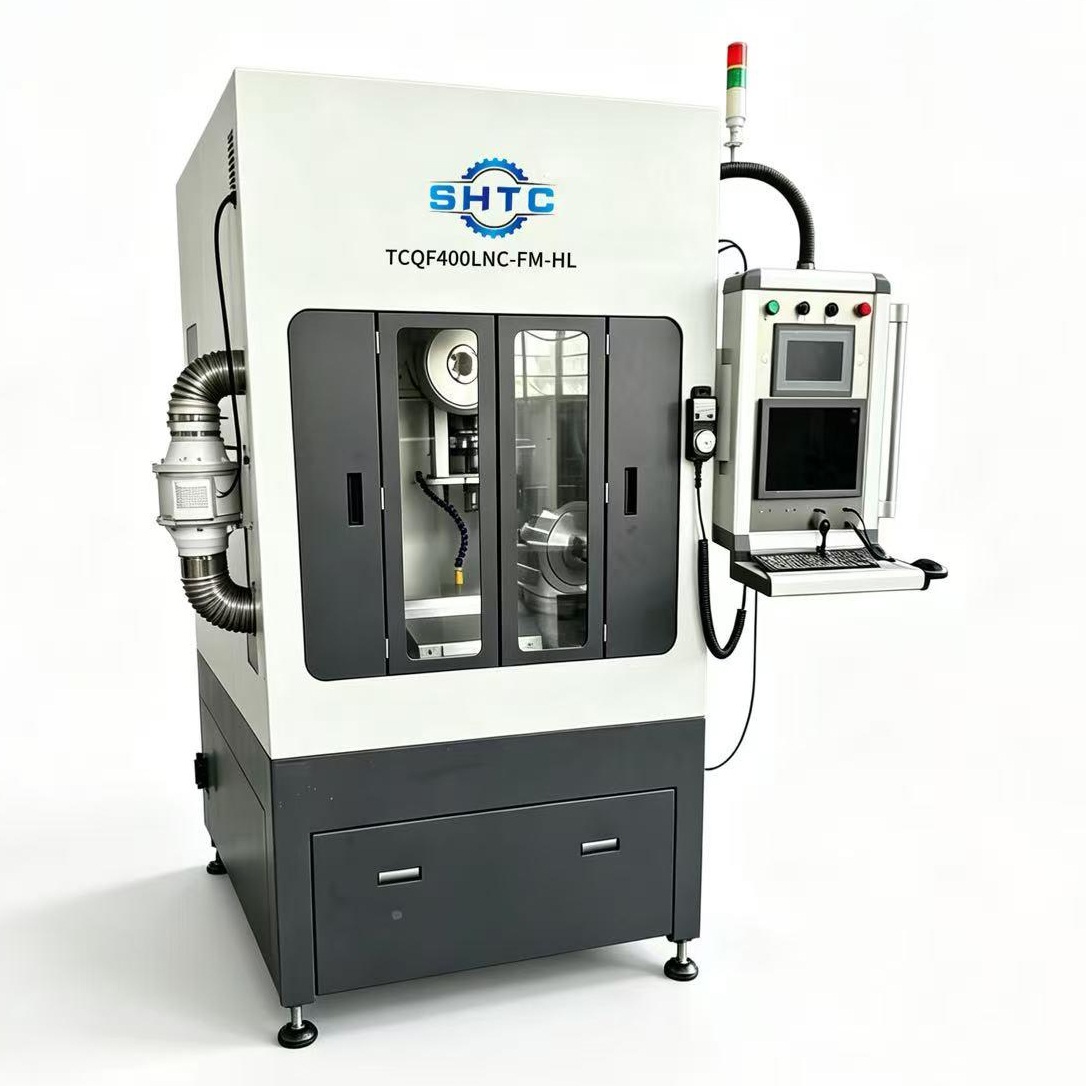
This diamond ring saw is purpose-built for academic and industrial R&D labs requiring ultra-precise, low-damage sectioning of brittle, anisotropic, or layered functional materials. Unlike conventional abrasive or blade-based saws, its single-wire architecture with adjustable tension (0–300 N), fine feed control (0.01–35 mm/s), and smooth wire speed modulation (0.1–50 mm/s) eliminates lateral force and suppresses vibration-induced interfacial failure — critical when slicing thermoelectric modules, piezoelectric ceramics, or heterostructured thin-film stacks.
Its compatibility with optical glass, sapphire, precision ceramics, graphite, semiconductor packaging materials and CFRP composites — as confirmed by manufacturer application specifications — validates its suitability for structurally sensitive functional materials with similar mechanical fragility and interfacial complexity. Constructed from Q235 structural steel, SS304 stainless, and 6061 aluminum, the system ensures dimensional stability and thermal consistency during extended slicing runs.
A research-grade single-wire diamond ring saw designed to minimize mechanical disturbance during slicing of delicate, multi-layered functional materials — including thermoelectrics, piezoelectrics, and thin-film stacks — where delamination and cracking must be avoided.
This research-grade diamond ring saw delivers ultra-precise, vibration-minimized sectioning for structurally sensitive functional materials. Its single-wire architecture eliminates lateral forces common in blade-based systems—making it ideal for academic and industrial R&D labs working with brittle, anisotropic, or interfacially complex samples. Confirmed applications include optical glass, sapphire, precision ceramics, graphite, semiconductor packaging substrates, and CFRP composites. The system’s fine feed control (0.01–35 mm/s), smooth wire speed modulation (0.1–50 mm/s), and adjustable tension (0–300 N) enable reproducible, low-stress cuts critical for preserving interfaces in thermoelectric modules, piezoelectric ceramics, and heterostructured thin-film stacks. Built with Q235 structural steel, SS304 stainless, and 6061 aluminum, it ensures thermal stability and rigidity during extended slicing runs—supporting high-fidelity sample preparation for microscopy, device prototyping, and failure analysis.