Deskripsi
For Singapore-based manufacturers producing critical medical device components, achieving sub-10 µm tolerances on insulating, high-hardness ceramics like Al2O3, ZrO2, and Si3N4 demands a process that avoids the limitations of conventional methods. Grinding introduces embedded abrasives and subsurface microcracks; EDM is ineffective on non-conductive ceramics and too slow for complex geometries. This diamond ring saw (single-wire) directly addresses those constraints.
Its ultra-fine wire feed control (0.01–35 mm/s), adjustable tension (0–300 N), and precise wire speed range (0.1–50 mm/s) enable stable, low-damage kerf cutting—even on brittle, high-purity ceramics. The rigid Q235+SS304+6061 frame ensures vibration damping during extended precision runs, while CE certification confirms compliance with international safety standards required for regulated medical manufacturing environments.
Unlike multi-wire or abrasive slurry systems, this single-wire configuration supports intricate contours, internal features, and thin-wall geometries common in ceramic sensor housings, surgical instrument inserts, and implantable device substrates—making it the preferred procurement choice for Tier-1 medical component suppliers in Singapore seeking to replace legacy grinding or EDM workflows.
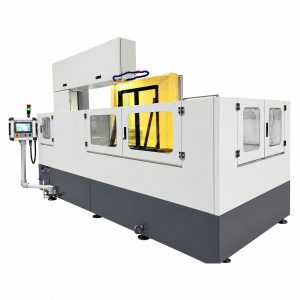
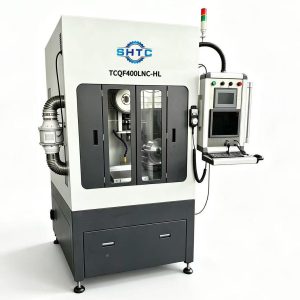
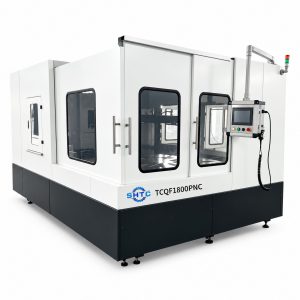
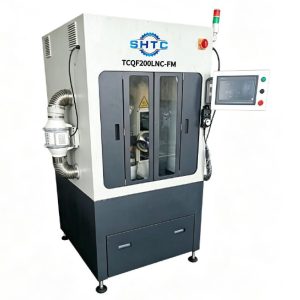
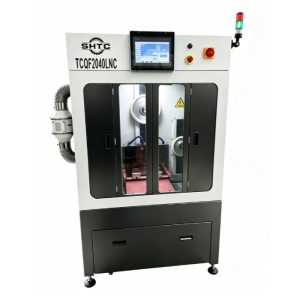
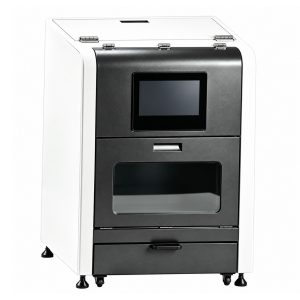
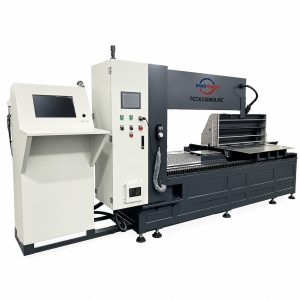
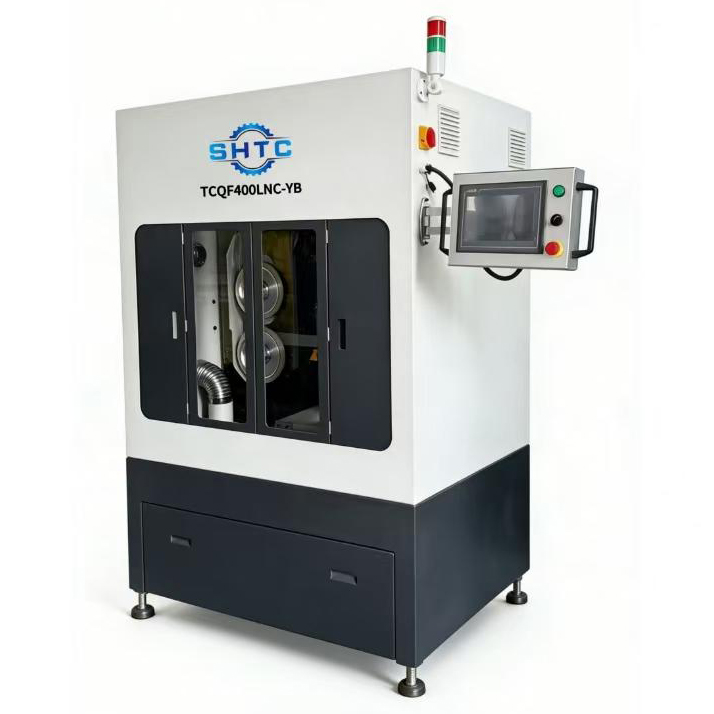
Single-wire diamond ring saw for micron-level ceramic machining—optimized for Al₂O₃, ZrO₂, and Si₃N₄ components in surgical instruments, sensor housings, and implantable devices.
This diamond ring saw (single-wire) is purpose-built for high-accuracy machining of brittle, non-conductive precision ceramics—including alumina (Al2O3), zirconia (ZrO2), and silicon nitride (Si3N4)—used in critical medical device components. It eliminates surface contamination and subsurface damage associated with conventional grinding, and overcomes the conductivity and speed limitations of EDM. Featuring ultra-fine wire feed control (0.01–35 mm/s), adjustable tension (0–300 N), and precise wire speed (0.1–50 mm/s), it enables clean, stress-free kerf cutting of thin-wall housings, sensor substrates, surgical instrument inserts, and implantable device parts. Its rigid hybrid frame (Q235 + SS304 + 6061) ensures vibration damping during extended runs, while CE certification supports compliance in regulated manufacturing environments across Singapore and global medical supply chains.