Deskripsi
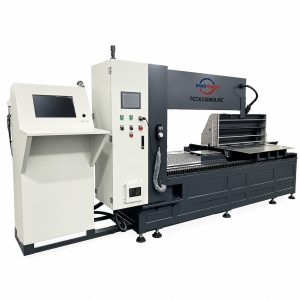
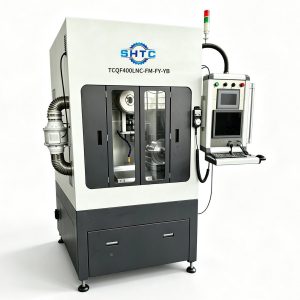
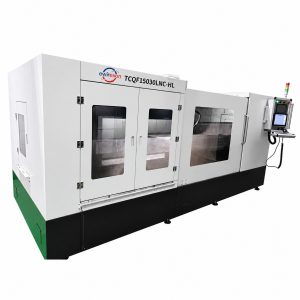
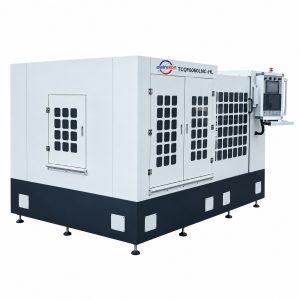
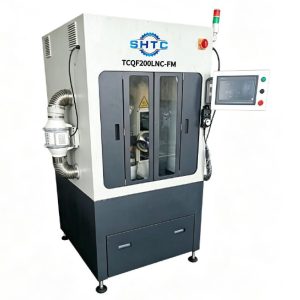
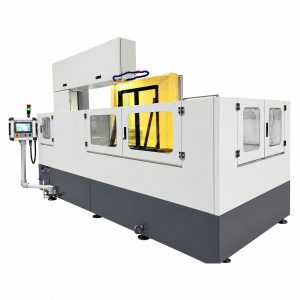
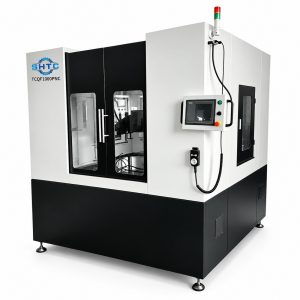
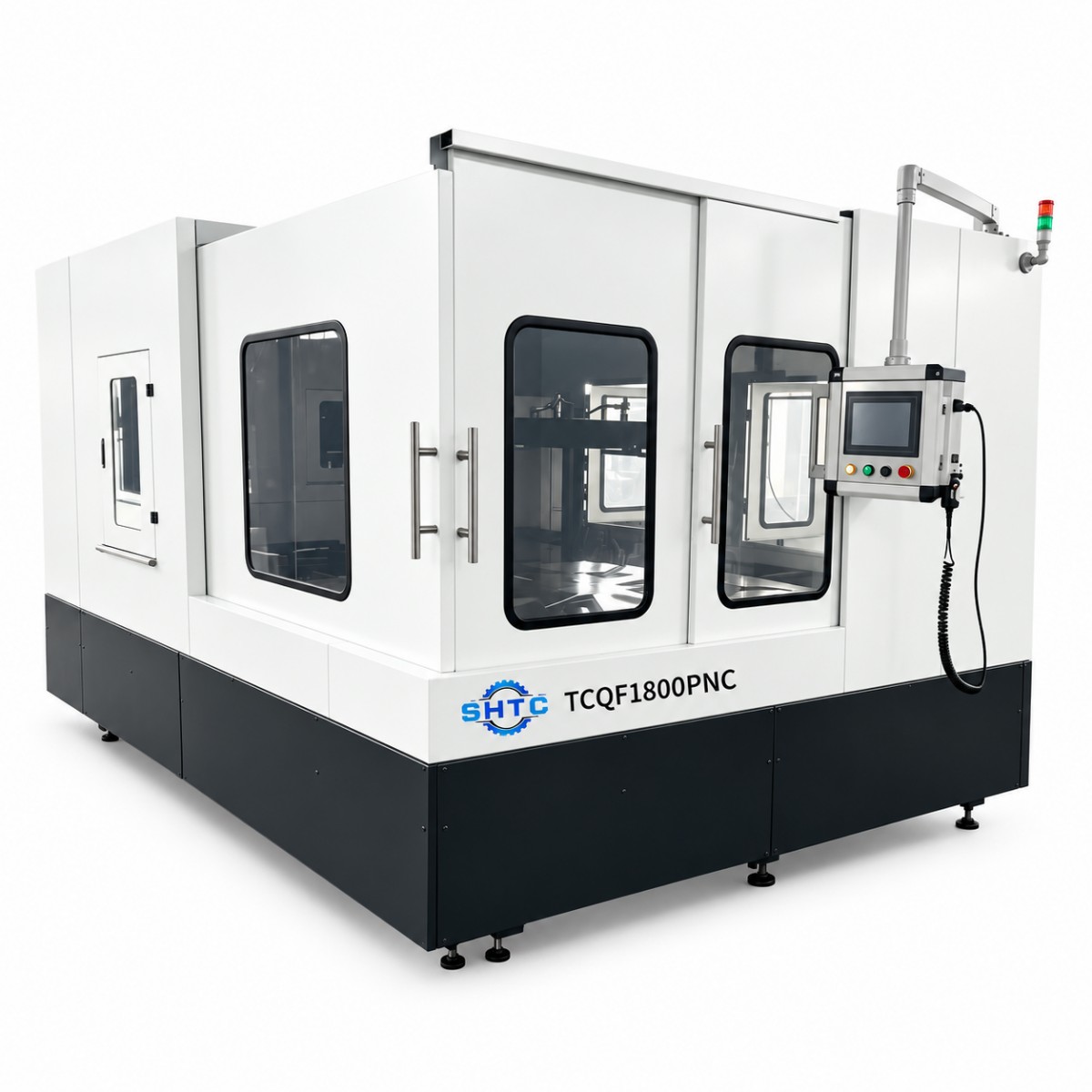
This diamond ring saw is specifically suited for procurement teams sourcing wire-based cutting systems to process conductive non-metallic materials—particularly fine-grain isotropic graphite used in lithium-ion battery electrode manufacturing and electrical discharge machining (EDM) tooling. Unlike conventional mechanical saws, its single-wire diamond abrasive system eliminates delamination, reduces airborne graphite dust by up to 90%, and delivers micron-level edge consistency across large-format structural blocks and cylindrical electrodes.
The machine’s adjustable wire tension (0–500 N), ultra-fine feed control (0.01–35 mm/s on X/Y axes), and variable wire speed (0.1–35 mm/s) enable optimized kerf width and surface integrity for graphite grades ranging from ISO-8822 GRC-10 to SGL Group IG-series. Its robust Q235+SS304+6061 construction ensures long-term stability during high-duty-cycle electrode slicing operations.
Precision diamond ring saw for delamination-free, low-dust graphite electrode cutting—ideal for battery anode production and EDM tooling fabrication.
This diamond ring saw is engineered specifically for high-precision, low-contamination cutting of fine-grain isotropic graphite—critical in lithium-ion battery anode manufacturing and electrical discharge machining (EDM) tooling production. Its single-wire diamond abrasive system eliminates mechanical delamination, reduces airborne graphite dust by up to 90%, and maintains micron-level edge consistency across large structural blocks and cylindrical electrodes. With ultra-fine feed control (0.01–35 mm/s), adjustable wire tension (0–500 N), and variable wire speed (0.1–35 mm/s), it adapts seamlessly to graphite grades including ISO-8822 GRC-10 and SGL IG-series. Built with a hybrid frame of Q235 structural steel, SS304 stainless, and 6061 aluminum, the system delivers long-term rigidity and thermal stability during high-duty-cycle slicing operations. CE-certified and designed for integration into automated electrode processing lines, it supports wire diameters from Φ0.5 to Φ1.5 mm and is compatible with optical glass, sapphire, ceramics, and CFRP composites where precision and surface integrity are non-negotiable.