Deskripsi
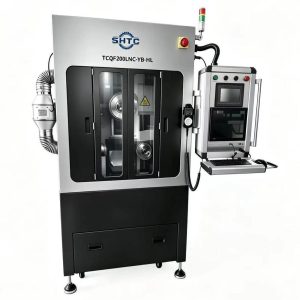
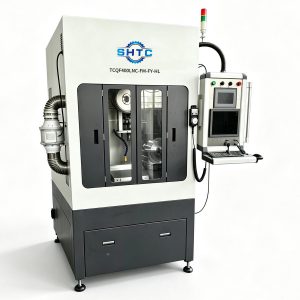
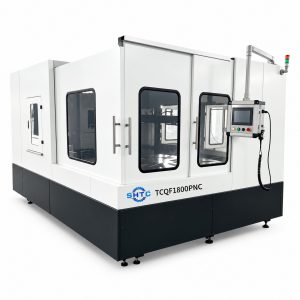
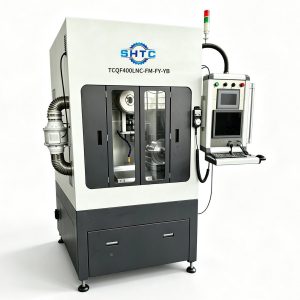
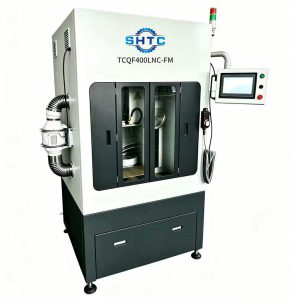
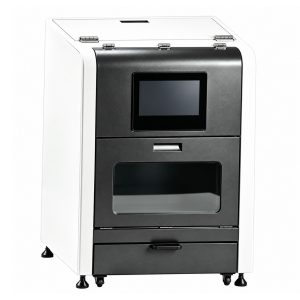
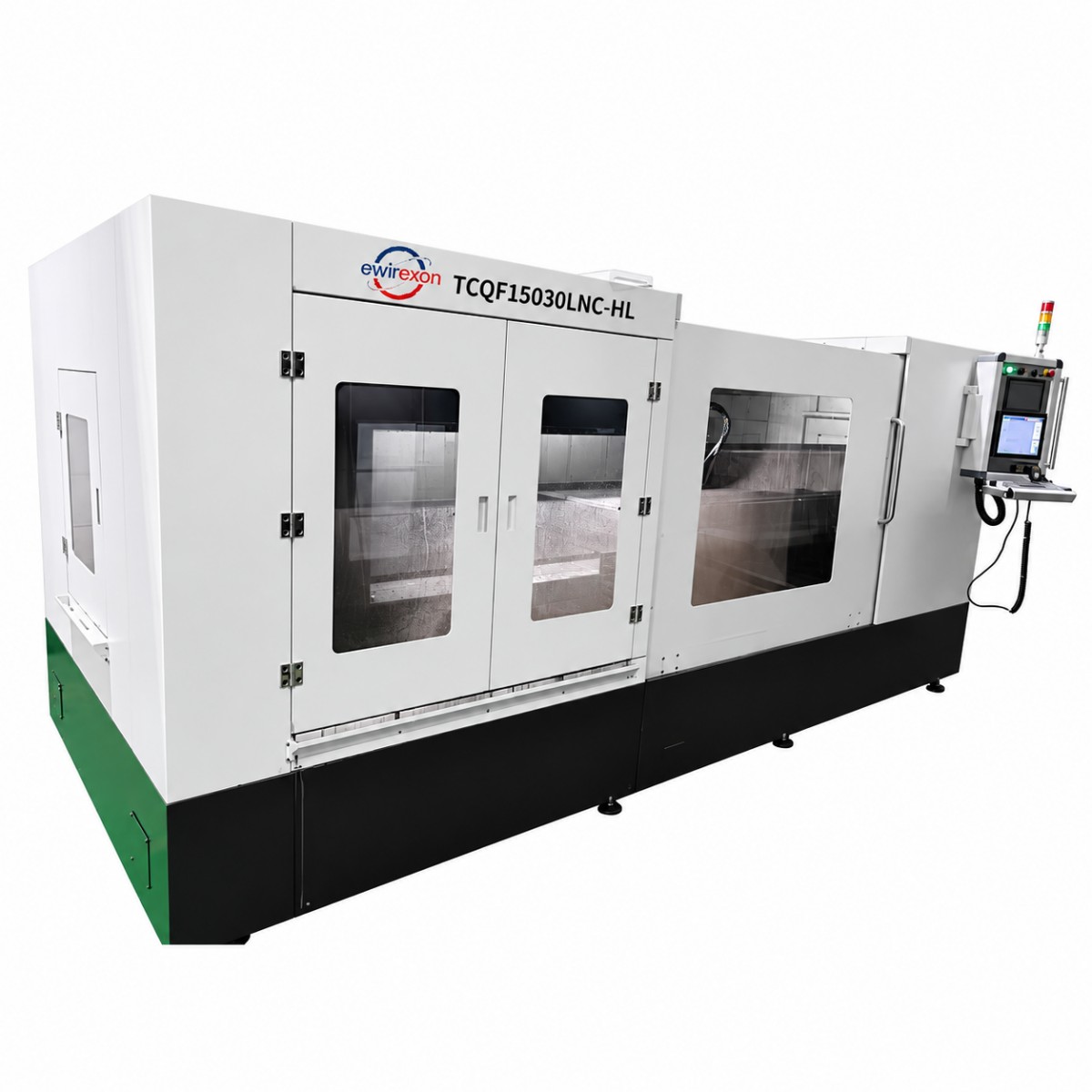
This wire saw machine is purpose-built for research and development environments where validation of brittle and heterogeneous materials demands exceptional control and minimal kerf loss. It delivers repeatable, high-fidelity cuts in specialty graphite and precision ceramics—critical for prototyping semiconductor packaging substrates, thermal management components, and ceramic insulators in pilot-line settings.
Unlike conventional abrasive or blade-based systems, the single-wire diamond ring saw uses a continuously circulating diamond-impregnated wire under precisely regulated tension and speed, reducing thermal stress and micro-cracking in sensitive materials. Its X/Y axis feed rate (0.01–35 mm/s) and wire speed range (0.1–35 mm/s) support both rapid scouting passes and ultra-slow, high-accuracy slicing—ideal for iterative materials testing and cross-sectional analysis.
Constructed with Q235 structural steel, SS304 stainless components, and 6061 aluminum for stability and corrosion resistance, the system meets CE safety standards and supports customization for integration into automated lab workflows.
Single-wire diamond ring saw for low-kerf, high-accuracy cutting of graphite, ceramics, sapphire, and semiconductor packaging materials in R&D labs and pilot production lines.
This diamond ring saw is purpose-built for research and development environments where precise, repeatable sectioning of brittle, heterogeneous materials—such as specialty graphite, precision ceramics, sapphire, optical glass, and CFRP composites—is essential. Its single-wire, diamond-impregnated architecture minimizes thermal stress and micro-cracking, delivering clean, high-fidelity cuts critical for cross-sectional analysis, prototype validation, and thermal management component development. With finely tunable X/Y feed rates (0.01–35 mm/s) and wire speeds (0.1–35 mm/s), it supports both rapid scouting and ultra-slow slicing—ideal for iterative materials testing in semiconductor packaging, ceramic insulator prototyping, and advanced thermal interface development. Constructed from Q235 structural steel, SS304 stainless components, and 6061 aluminum, the system ensures long-term stability and corrosion resistance in demanding lab and pilot-line settings. CE-certified and designed for integration into automated workflows, it bridges the gap between benchtop experimentation and scalable process validation.