Description
Manufacturers of medical implants and aerospace components face unique challenges when machining highly wear-resistant, electrically insulating ceramics like alumina, zirconia, and silicon nitride. Conventional abrasive or blade-based saws generate excessive heat, microcracking, and dimensional drift—compromising biocompatibility, fatigue life, and functional fit.
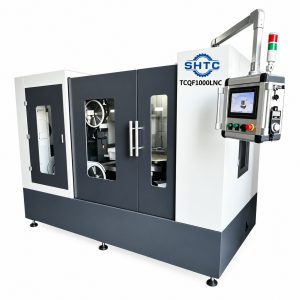
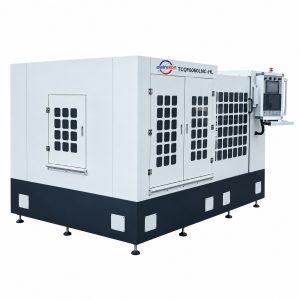
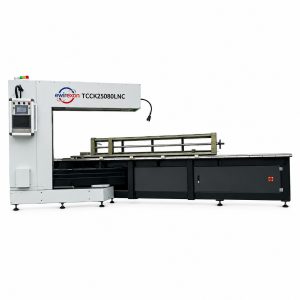
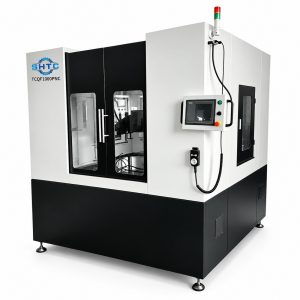
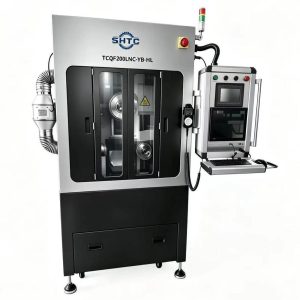
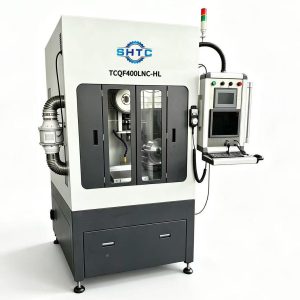
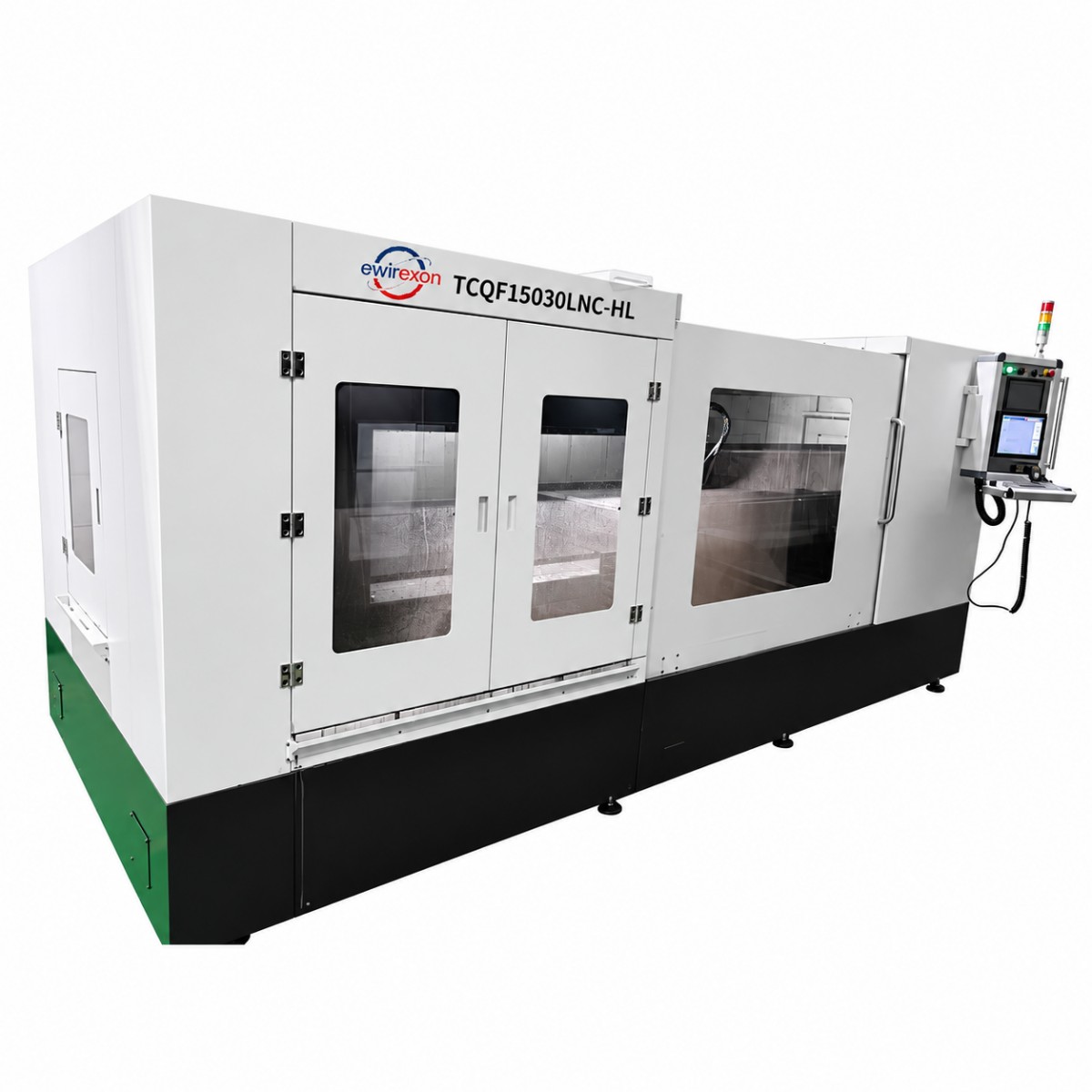
This diamond ring saw (single-wire) is purpose-engineered to overcome those limitations. Its ultra-precise wire feed control (0.01–35 mm/s), fine-tuned tension range (0–500 N), and adjustable wire speed (0.1–35 mm/s) enable stable, low-stress kerf formation—even in dense, brittle ceramics. The system’s rigid Q235+SS304+6061 frame minimizes vibration, preserving surface integrity and enabling repeatable ±2 µm positional accuracy across multi-hour production runs.
As confirmed by its documented applications, this saw is explicitly validated for ‘Cutting of optical glass, sapphire, precision ceramics, graphite, semiconductor packaging materials and CFRP composites.’ No retrofitting or unverified adaptation is required: precision ceramics are a core supported use case.
Specialized diamond ring saw for clean, low-damage cutting of alumina, zirconia, and silicon nitride ceramics used in medical implants and aerospace components—delivering micron-level accuracy and superior edge quality.
Manufacturers of medical implants and aerospace components rely on this precision ceramic cutting saw to machine highly wear-resistant, electrically insulating advanced ceramics—including alumina, zirconia, and silicon nitride—without microcracking, thermal damage, or dimensional drift. Unlike conventional abrasive or blade-based systems, its single-wire diamond ring design delivers stable, low-stress kerf formation through ultra-fine control of wire speed (0.1–35 mm/s), tension (0–500 N), and feed rate (0.01–35 mm/s). The rigid hybrid frame (Q235 structural steel + SS304 + 6061 aluminum) suppresses vibration, enabling repeatable ±2 µm positional accuracy across extended production runs. Validated for optical glass, sapphire, graphite, semiconductor packaging materials, and CFRP composites, it requires no retrofitting for precision ceramics—making it a turnkey solution for high-integrity component manufacturing.