Descripción
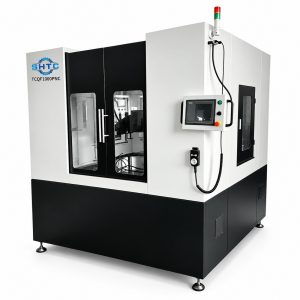
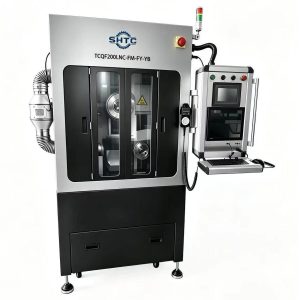
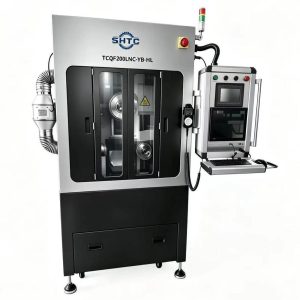
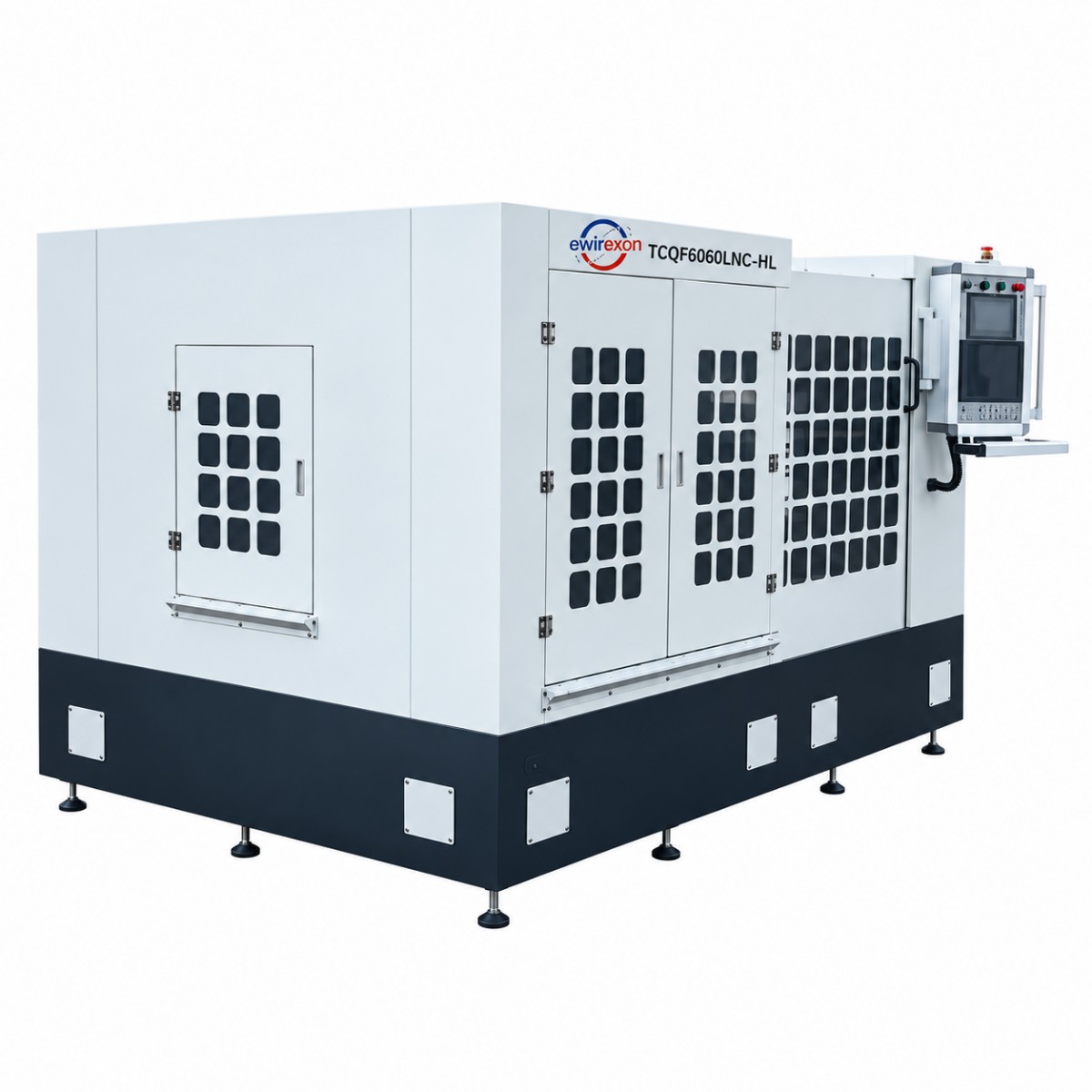
When prototyping aerospace components or developing lightweight automotive structures, specimen integrity is non-negotiable. This precision wire cutting machine delivers controlled, low-force sectioning of carbon-fiber-reinforced polymer (CFRP) composites—ensuring clean cuts without fiber pull-out, delamination, or heat-affected zones.
Unlike high-speed rotary tools that compromise interlaminar bond strength, the diamond-coated single-wire system operates at adjustable speeds (0.1–35 mm/s) and precise tension (0–500 N), enabling reproducible, distortion-free cross-sections for mechanical testing, microscopy, and quality validation.
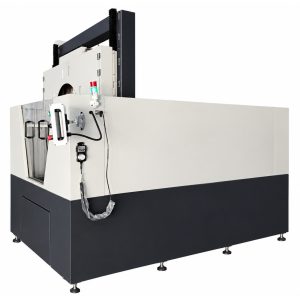
Its rigid Q235+SS304+6061 frame, CE-certified 3.4 kW drive system, and fine X/Y feed control (0.01–35 mm/s) support repeatable accuracy across thick or multi-layered CFRP laminates—making it a trusted solution for R&D labs and Tier 1 suppliers focused on structural reliability.
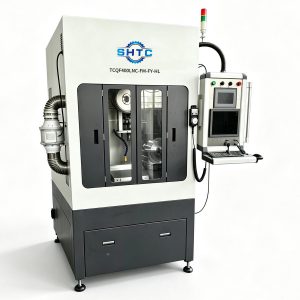
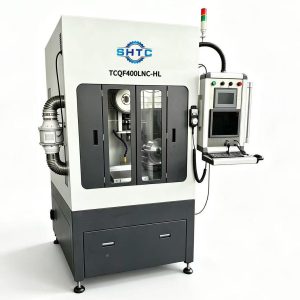
Diamond ring saw optimized for cold, low-force sectioning of CFRP composites—prevents fiber fraying and interlaminar damage for reliable microscopy, mechanical testing, and QA validation.
When developing next-generation aerospace components or lightweight automotive structures, specimen fidelity is critical. This precision wire cutting machine is purpose-built for clean, cold-sectioning of carbon-fiber-reinforced polymer (CFRP) composites—eliminating fiber pull-out, delamination, and heat-affected zones common with rotary or abrasive methods. Its diamond-coated single-wire system operates under finely tuned tension (0–500 N) and variable speed (0.1–35 mm/s), ensuring reproducible, interlaminar bond–preserving cross-sections. Ideal for mechanical testing labs, failure analysis centers, and quality assurance teams in Tier 1 supply chains, the machine supports rigorous metrology and microstructural evaluation of thick or multi-layered CFRP laminates. Constructed with a rigid hybrid frame (Q235 structural steel, SS304 stainless, and 6061 aluminum), CE-certified 3.4 kW drive, and sub-micron X/Y feed control (0.01–35 mm/s), it delivers industrial-grade repeatability without compromising material integrity.