Descripción
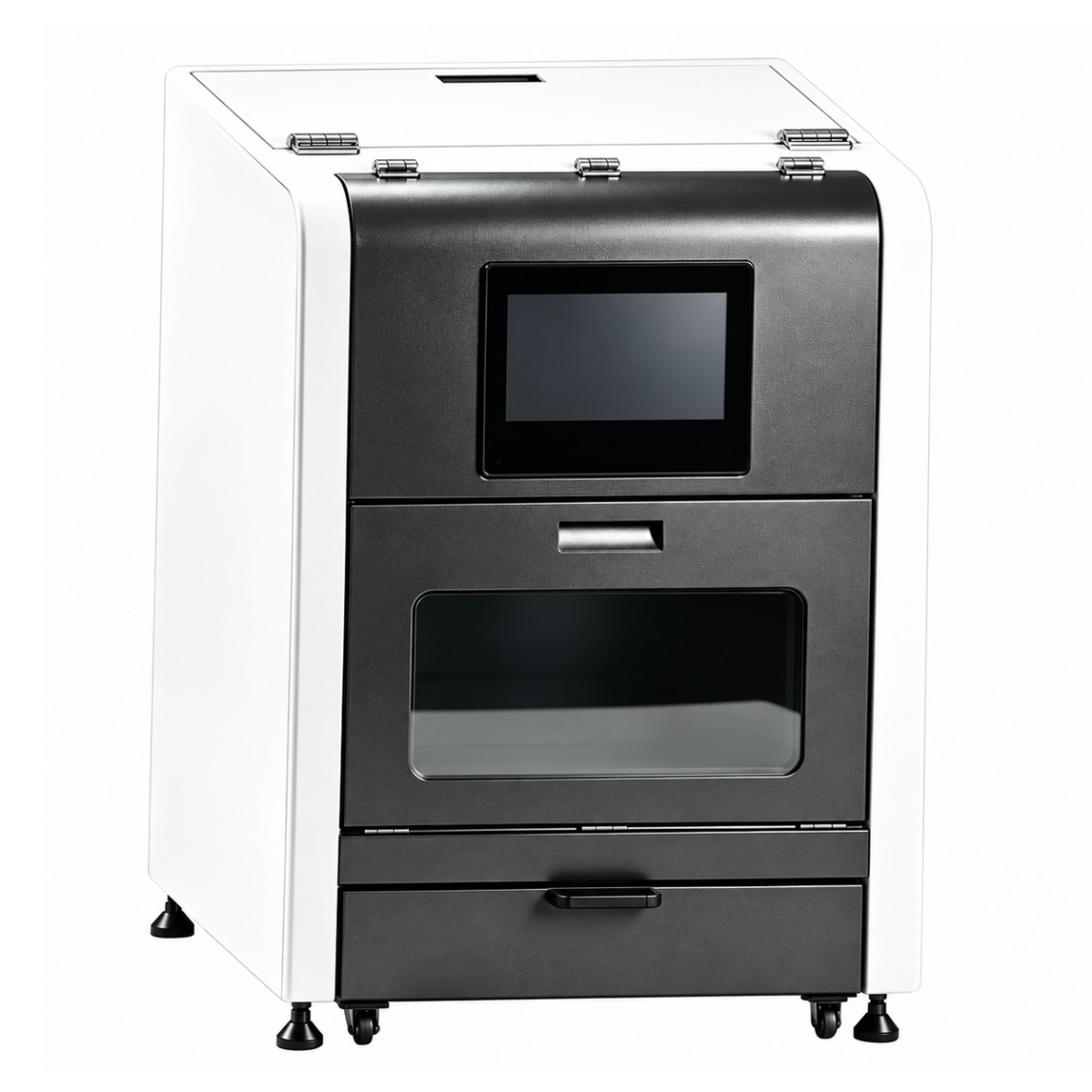
Graphite’s anisotropic, friable structure demands a cutting solution that eliminates chipping, delamination, and edge crumbling. This desktop diamond ring saw delivers continuous-wire slicing with precise tension control (0–150 N), ultra-fine feed rates (0.01–35 mm/s), and adjustable wire speed (0.1–50 mm/s) — enabling reproducible, damage-free sectioning of graphite electrodes, sintered crucibles, and advanced thermal management components.
Designed for materials science laboratories in South Africa and globally, it supports rigorous R&D workflows in lithium-ion battery electrode development and nuclear material simulation, where structural integrity of cut samples directly impacts thermal conductivity, porosity, and electrochemical testing validity. Built with Q235 structural steel, SS304 stainless, and 6061 aluminium, the unit meets CE safety standards and integrates seamlessly into controlled lab environments (220V, 1.1 kW).
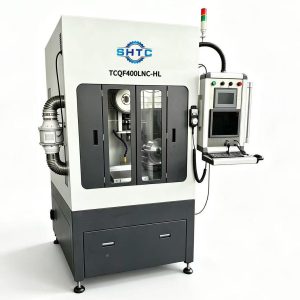
Desktop single-wire diamond ring saw for chip-free sectioning of graphite electrodes, sintered crucibles, and thermal management components — optimized for battery R&D and nuclear simulation labs.
Graphite’s anisotropic, friable nature makes conventional cutting methods prone to chipping, delamination, and edge degradation — compromising sample integrity for critical testing. This desktop diamond ring saw solves that challenge with continuous single-wire slicing, ultra-precise tension control (0–150 N), and fine-tuned feed rates (0.01–35 mm/s). It delivers reproducible, damage-free cross-sections of graphite electrodes, high-purity sintered crucibles, and advanced thermal interface materials — essential for lithium-ion battery electrode development, nuclear material simulation, and thermal conductivity validation. Built with Q235 structural steel, SS304 stainless, and 6061 aluminium, it meets CE safety standards and integrates reliably into controlled 220V lab environments (1.1 kW). Used by materials science laboratories across South Africa and globally, it supports rigorous R&D where cut quality directly affects porosity analysis, electrochemical performance, and microstructural fidelity.