Descripción
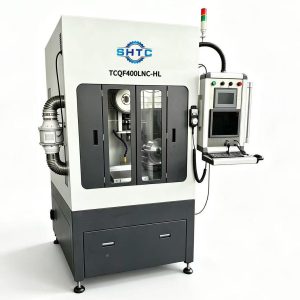
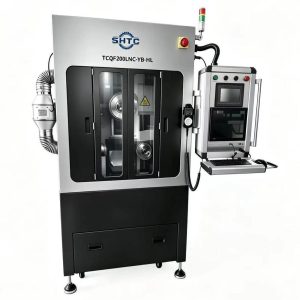
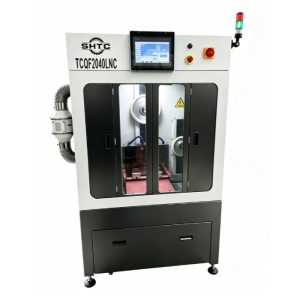
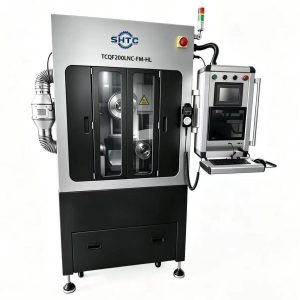
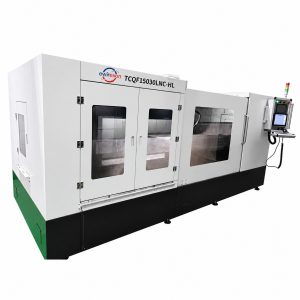
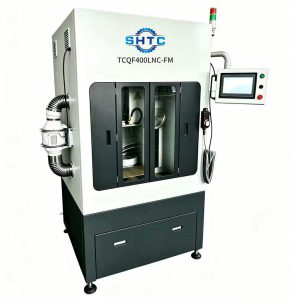
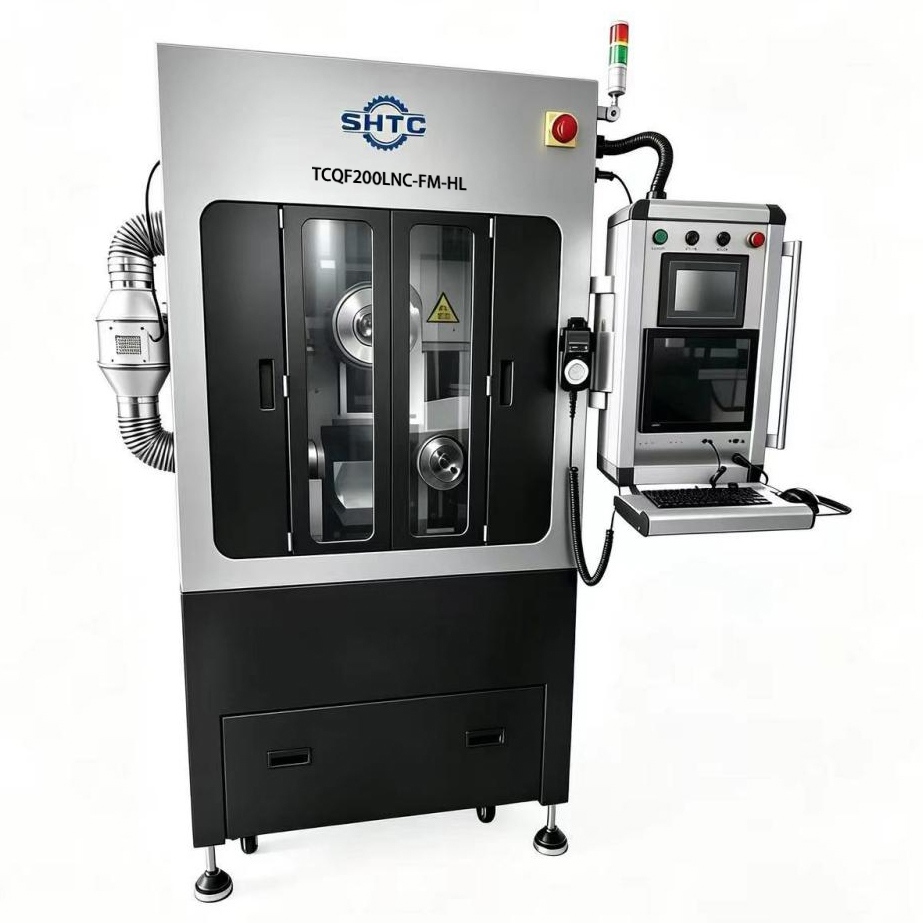
This diamond ring saw is purpose-configured for academic capital equipment procurement in materials science research. It delivers the fine-grained programmability needed to section fragile, anisotropic, or layered specimens—including technical graphite and synthetic sapphire—without microcracking, delamination, or thermal distortion.
Its fully adjustable parameters (0.01–35 mm/s X/Y feed, 0.1–50 mm/s wire speed, and 0–300 N tension) enable method-driven protocol replication across lab users and experimental series. The rigid Q235+SS304+6061 frame ensures vibration damping critical for micron-level cut fidelity in brittle ceramics and single-crystal substrates.
CE-certified and built for long-term reliability in shared lab environments, it supports repeatable sample preparation workflows essential for publications, grant reporting, and cross-lab validation—especially where specimen integrity directly impacts electron microscopy, XRD, or mechanical testing outcomes.
A programmable single-wire diamond ring saw for Irish university research labs—optimized for low-damage, high-fidelity sectioning of graphite, sapphire, and other brittle advanced materials.
This diamond ring saw is purpose-built for demanding materials science research environments—especially university labs where specimen integrity directly affects downstream analysis. It enables precise, thermally neutral sectioning of highly anisotropic or layered materials including technical graphite, synthetic sapphire, optical glass, precision ceramics, and CFRP composites. With fully independent control over wire speed (0.1–50 mm/s), tension (0–300 N), and X/Y feed rate (0.01–35 mm/s), it supports reproducible, protocol-driven sample preparation critical for electron microscopy, X-ray diffraction (XRD), and mechanical testing workflows. Its hybrid Q235 + stainless steel 304 + aluminum 6061 frame delivers exceptional rigidity and vibration damping—essential for maintaining cut fidelity on single-crystal substrates and fragile laminates. CE-certified and designed for shared-lab durability, it meets the reliability, traceability, and method replication standards required for grant reporting, peer-reviewed publications, and cross-institutional validation.