الوصف
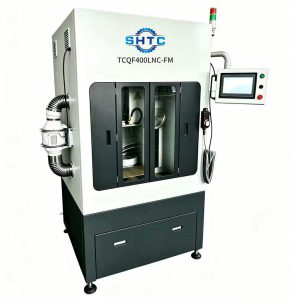
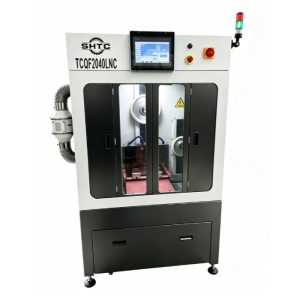
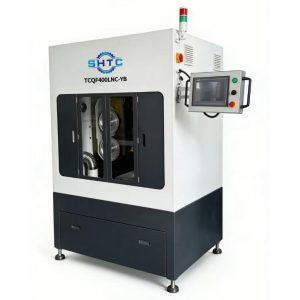
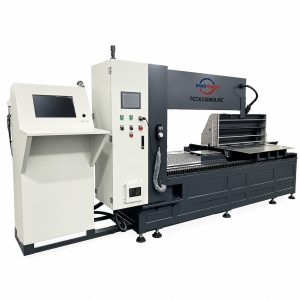
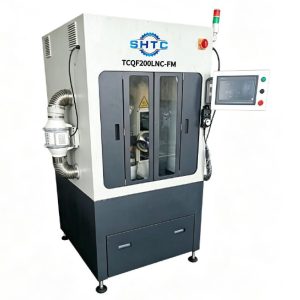
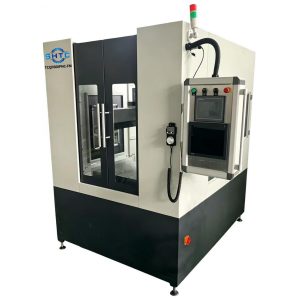
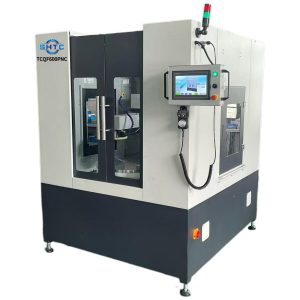
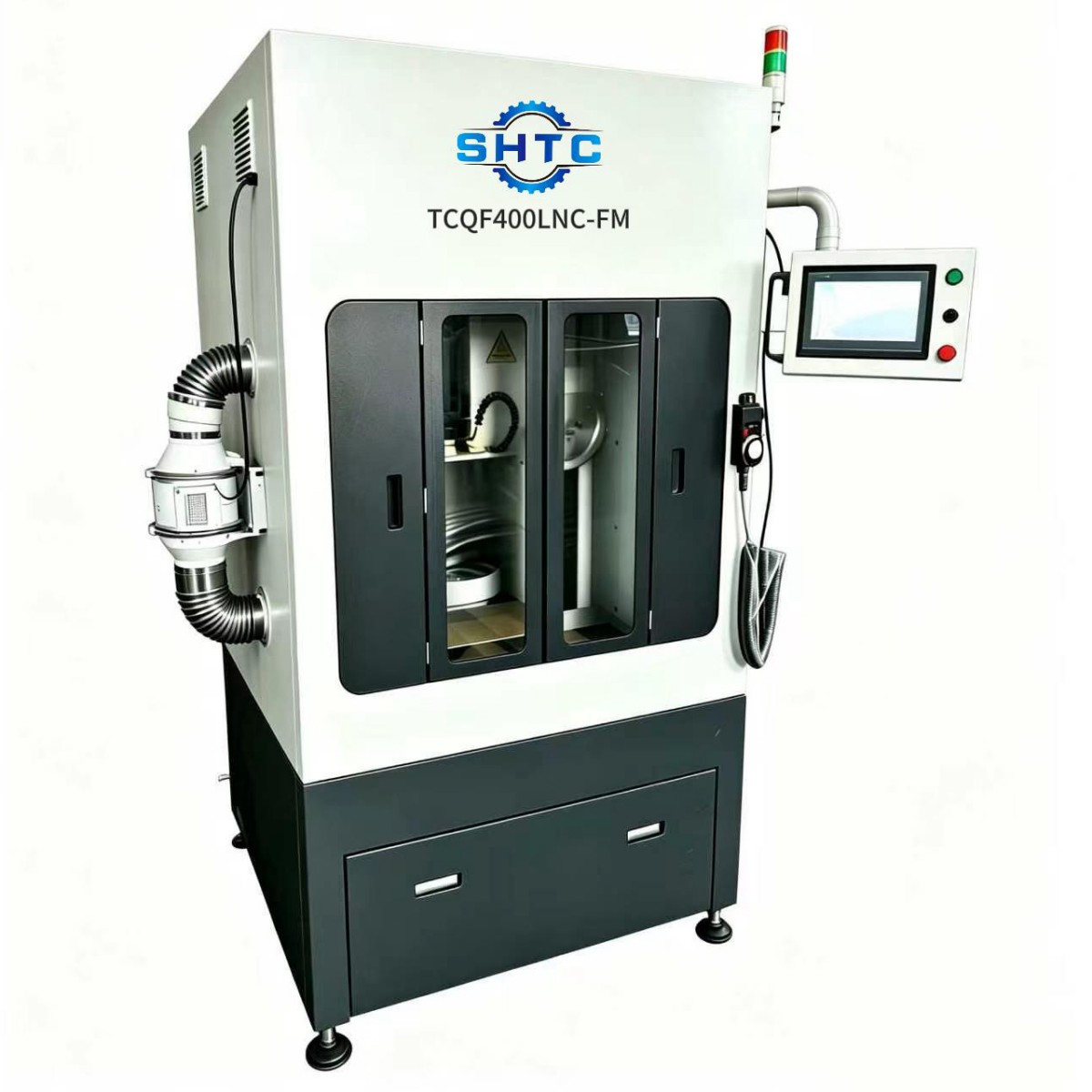
This diamond ring saw is purpose-configured for the demanding requirements of energy materials R&D labs and electrode manufacturers. Unlike abrasive or blade-based systems, its single-wire architecture with diamond-impregnated wire delivers ultra-low-force, dust-minimized sectioning of isotropic graphite—preventing micro-delamination, edge chipping, and kerf-width variation that compromise electrode performance testing and production yield.
Engineered for repeatable accuracy, it supports fine-tuned control over wire speed (0.1–50 mm/s), tension (0–300 N), and feed rates (0.01–35 mm/s on X/Y axes), enabling optimal parameter matching for varying graphite densities and geometries—from small-scale research samples to large structural electrodes. Its rigid Q235+SS304+6061 frame ensures vibration damping critical for maintaining dimensional fidelity during extended cuts.
CE-certified and built for integration into controlled lab and pilot-line environments, this wire cutting tool meets the exacting standards of battery material development and high-purity metallurgical processing—where surface integrity, minimal contamination, and process repeatability are non-negotiable.
A high-precision diamond ring saw optimized for delamination-free, consistent-kerf sectioning of graphite electrodes and structural components used in battery anodes and metallurgical applications.
This diamond ring saw is purpose-built for energy materials laboratories and electrode manufacturers requiring ultra-precise, contamination-sensitive sectioning of isotropic graphite. Its single-wire, diamond-impregnated architecture applies minimal cutting force—eliminating micro-delamination, edge chipping, and inconsistent kerf width that undermine electrode performance validation and scale-up reliability. Ideal for battery anode R&D, structural graphite component prototyping, and high-purity metallurgical sample preparation, it delivers repeatable dimensional accuracy across diverse graphite densities and geometries. Fully CE-certified and designed for integration into controlled lab and pilot-line environments, the system features fine-grained control over wire speed (0.1–50 mm/s), tension (0–300 N), and X/Y feed rates (0.01–35 mm/s), all supported by a vibration-damped Q235+SS304+6061 frame. Used globally for optical glass, sapphire, ceramics, CFRP, and semiconductor packaging material processing, it meets the stringent surface integrity and process repeatability demands of next-generation energy and advanced materials development.