Mô tả
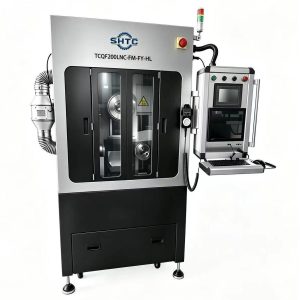
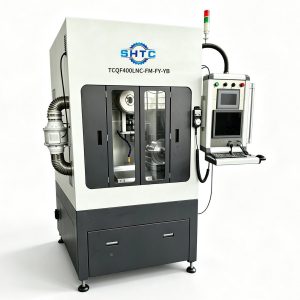
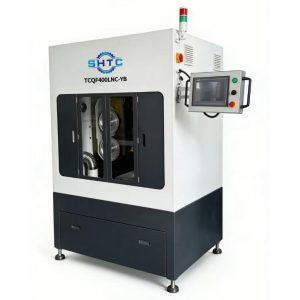
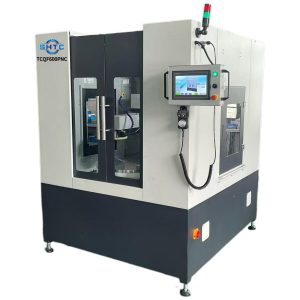
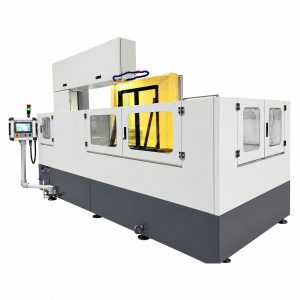
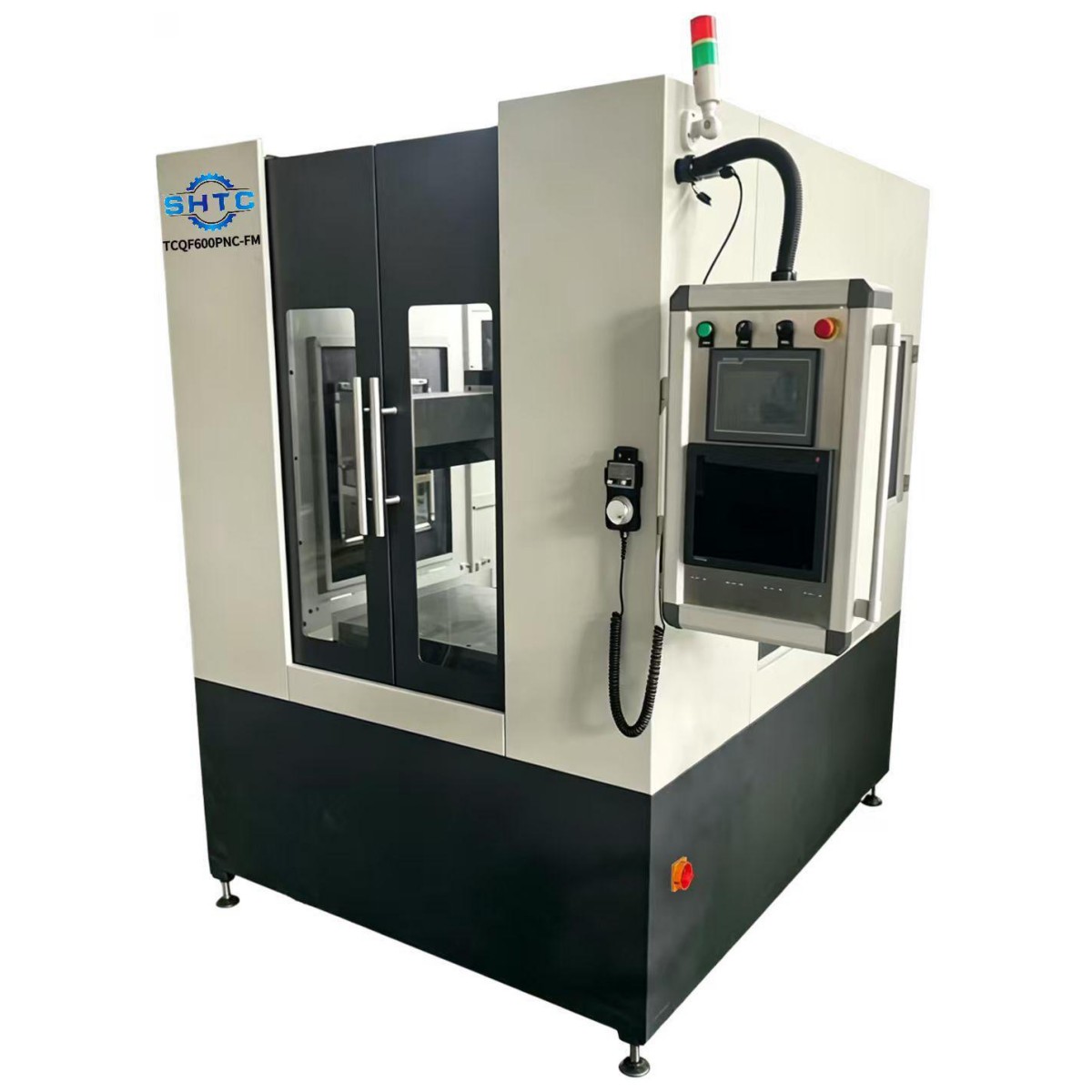
This diamond ring saw is purpose-configured for lab-scale energy materials development, where precise, repeatable sectioning of graphite electrodes and monolithic blocks is critical for battery electrode optimization and fuel cell stack prototyping.
Its controlled wire speed (0.1–35 mm/s) and adjustable tension (0–500 N) enable fine-tuned cutting parameters to minimize chipping and thermal damage in conductive graphite—reducing dust generation and extending diamond wire life. The X/Y axis feed rate (0.01–35 mm/s) supports both coarse removal and micron-level finishing passes, essential for preparing samples for SEM, resistivity testing, or interfacial analysis.
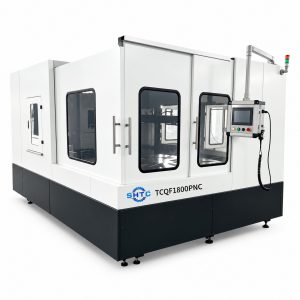
Constructed with Q235 structural steel, SS304 stainless components, and 6061 aluminum, the system ensures rigidity and corrosion resistance in demanding lab environments. At 1300 kg and 1750×1550×2000 mm, it provides stable operation without requiring reinforced flooring—ideal for shared core facilities and university labs.
High-precision diamond ring saw for clean, repeatable sectioning of graphite electrodes and blocks in battery R&D and fuel cell prototyping—minimizing dust, chipping, and thermal damage.
This diamond ring saw is purpose-built for energy materials research labs requiring micron-level precision when sectioning graphite electrodes, monolithic graphite blocks, and other conductive, abrasive materials. Its finely adjustable wire speed (0.1–35 mm/s) and tension control (0–500 N) minimize chipping, thermal damage, and dust generation—critical for preserving sample integrity ahead of SEM imaging, interfacial analysis, or resistivity testing. The X/Y axis feed rate (0.01–35 mm/s) supports both rapid material removal and ultra-fine finishing passes. Constructed from Q235 structural steel, SS304 stainless components, and 6061 aluminum, it delivers long-term rigidity and corrosion resistance in shared core facilities and university labs. At 1300 kg and 1750×1550×2000 mm, it operates stably without reinforced flooring—making it ideal for battery R&D, fuel cell stack prototyping, and advanced materials development.