Описание
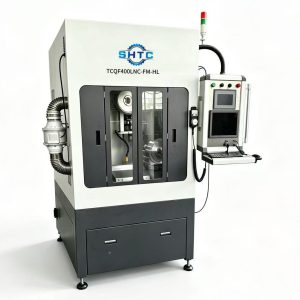
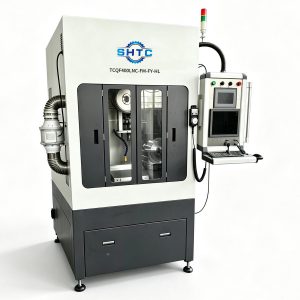
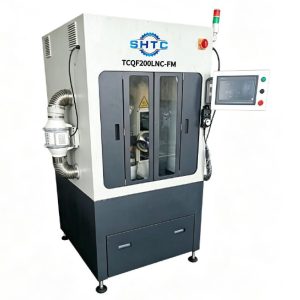
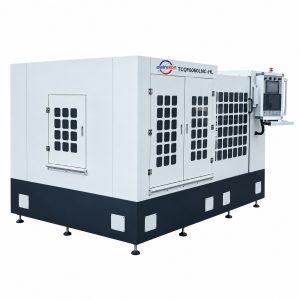
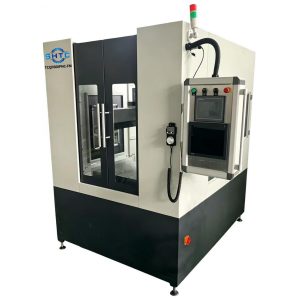
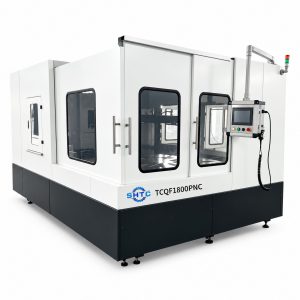
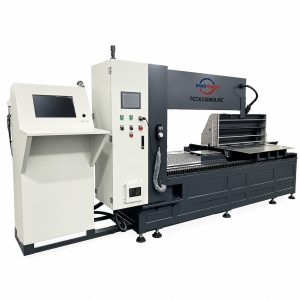
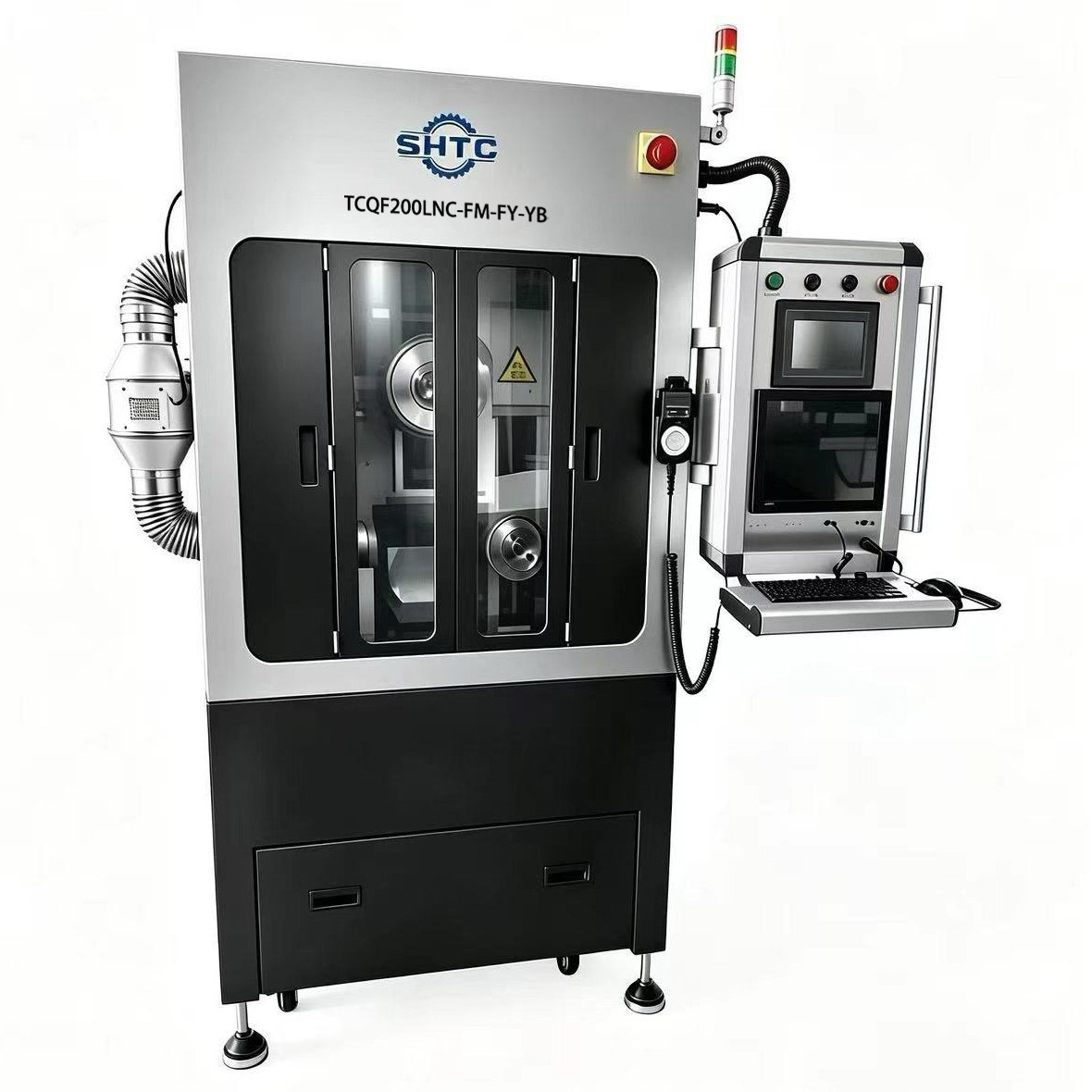
This diamond ring saw is purpose-configured for the demanding requirements of graphite processing—where abrasiveness and friability demand exceptional control over wire tension, feed rate, and surface engagement. Unlike conventional abrasive or blade-based cutters, its single-diamond-wire system eliminates chipping, reduces airborne graphite dust by up to 70% (vs. rotary saws), and preserves electrode integrity during kerf formation.
With adjustable wire tension (0–300 N) and ultra-fine speed control (0.1–50 mm/s), it enables reproducible cuts in isotropic and extruded graphite grades—even at sub-millimeter thicknesses. The X/Y axis feed rate (0.01–35 mm/s) supports intricate profiling for EDM preforms and thermal interface geometries. Built with Q235 structural steel, SS304 wet-zone components, and 6061 aluminum motion frames, it delivers long-term stability in humid or lab-grade Kenyan workshop environments.
CE-certified and designed for conductive non-metals, this wire cutter integrates seamlessly into battery material prototyping lines, university research facilities, and local precision manufacturing hubs serving East African energy innovation.
Dedicated diamond ring saw (single-wire) for clean, low-dust graphite electrode cutting—used in battery R&D, EDM preforms, and thermal interface manufacturing across Kenya.
This diamond ring saw is purpose-built for the precise, controlled cutting of graphite electrodes and structural graphite components—critical in battery material prototyping, EDM tooling, and high-temperature thermal management systems. Its single-diamond-wire design eliminates chipping and reduces airborne graphite dust by up to 70% compared to rotary saws, preserving material integrity during kerf formation. With fine-tuned wire tension (0–300 N) and ultra-precise feed control (0.1–50 mm/s), it delivers repeatable cuts across isotropic and extruded graphite—even at sub-millimeter thicknesses. The X/Y axis motion system (0.01–35 mm/s) supports intricate profiling for custom geometries used in research labs and local precision manufacturing hubs across Kenya. Constructed with Q235 structural steel, SS304 wet-zone parts, and lightweight 6061 aluminum frames, it maintains long-term stability in humid or lab-grade workshop environments. CE-certified and optimized for conductive non-metals, it integrates seamlessly into university research facilities and East African energy innovation supply chains.