Описание
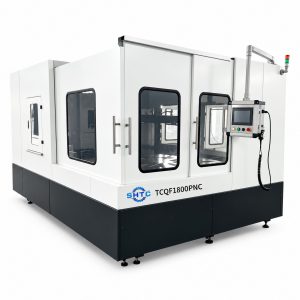
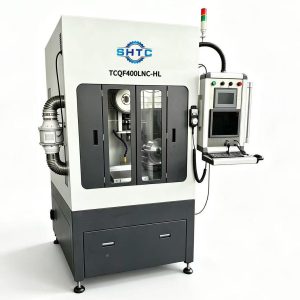
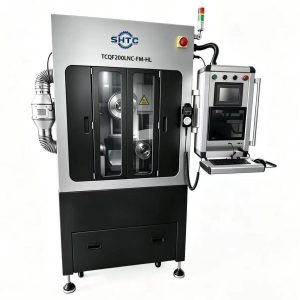
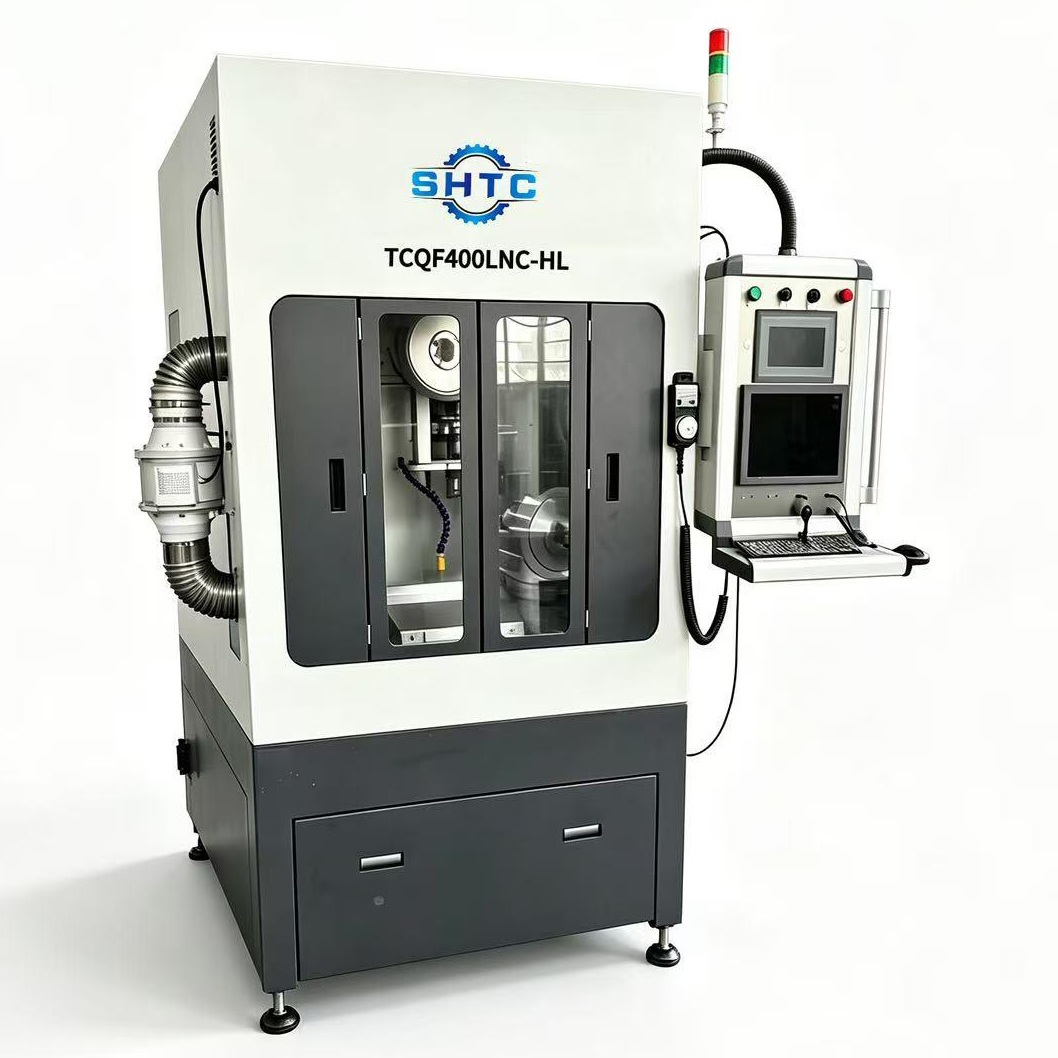
For photonics design houses and semiconductor packaging partners in Singapore requiring rapid iteration on crystal-based devices, this diamond ring saw enables high-fidelity prototyping and small-batch slicing of brittle crystalline substrates — including lithium niobate, quartz, sapphire, and precision ceramics. Its single-wire architecture eliminates blade kerf loss and minimizes subsurface damage, critical when preserving optical homogeneity and piezoelectric performance.
The system’s programmable X/Y axis feed rate (0.01–35 mm/s) supports orientation-specific slicing strategies — essential for anisotropic crystals where cut angle directly impacts waveguide propagation loss or electro-optic response. Combined with precise wire tension control (0–300 N) and variable wire speed (0.1–50 mm/s), it adapts seamlessly to varying crystal hardness and thickness without retooling.
Constructed from Q235 structural steel, SS304 stainless, and 6061 aluminum, the machine ensures dimensional stability during extended low-feed runs. At 680 kg and 1070×1070×1970 mm, it fits standard cleanroom-accessible lab spaces while meeting CE safety requirements. Customization is available to integrate with existing metrology or automation workflows.
Engineered for Singapore-based photonics design houses and fab partners, this diamond ring saw delivers repeatable, low-damage slicing of lithium niobate, quartz, and other brittle crystalline materials — with fully programmable X/Y feed, adjustable wire tension, and fine wire speed control.
Designed specifically for photonics R&D and semiconductor packaging workflows, this diamond ring saw enables high-fidelity prototyping of brittle crystalline substrates — including lithium niobate, quartz, sapphire, and advanced ceramics. Its single-wire architecture eliminates traditional blade kerf loss and dramatically reduces subsurface damage, preserving critical optical homogeneity and piezoelectric performance. Programmable X/Y feed rates (0.01–35 mm/s), fine wire speed control (0.1–50 mm/s), and precise tension adjustment (0–300 N) allow tailored slicing strategies for anisotropic materials — where cut angle directly influences waveguide propagation loss or electro-optic response. Built with Q235 structural steel, SS304 stainless, and 6061 aluminum, the system maintains dimensional stability during extended low-feed operations. At 680 kg and 1070×1070×1970 mm, it fits standard cleanroom-accessible lab spaces and meets CE safety requirements. Optional customization supports integration with metrology systems or automated fabrication lines.