Описание
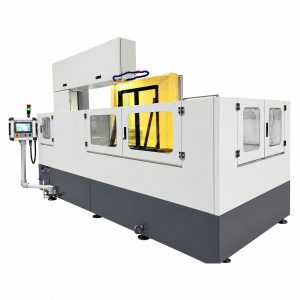
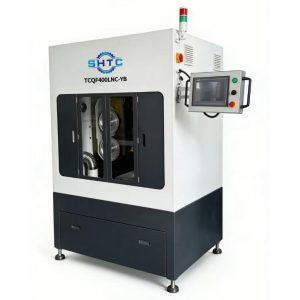
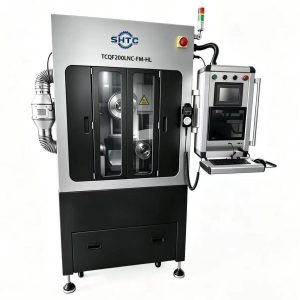
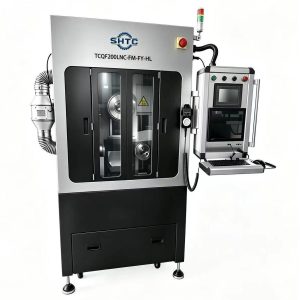
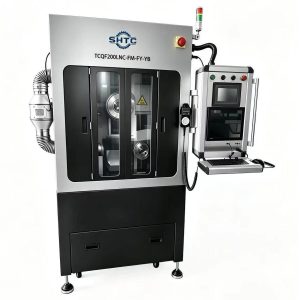
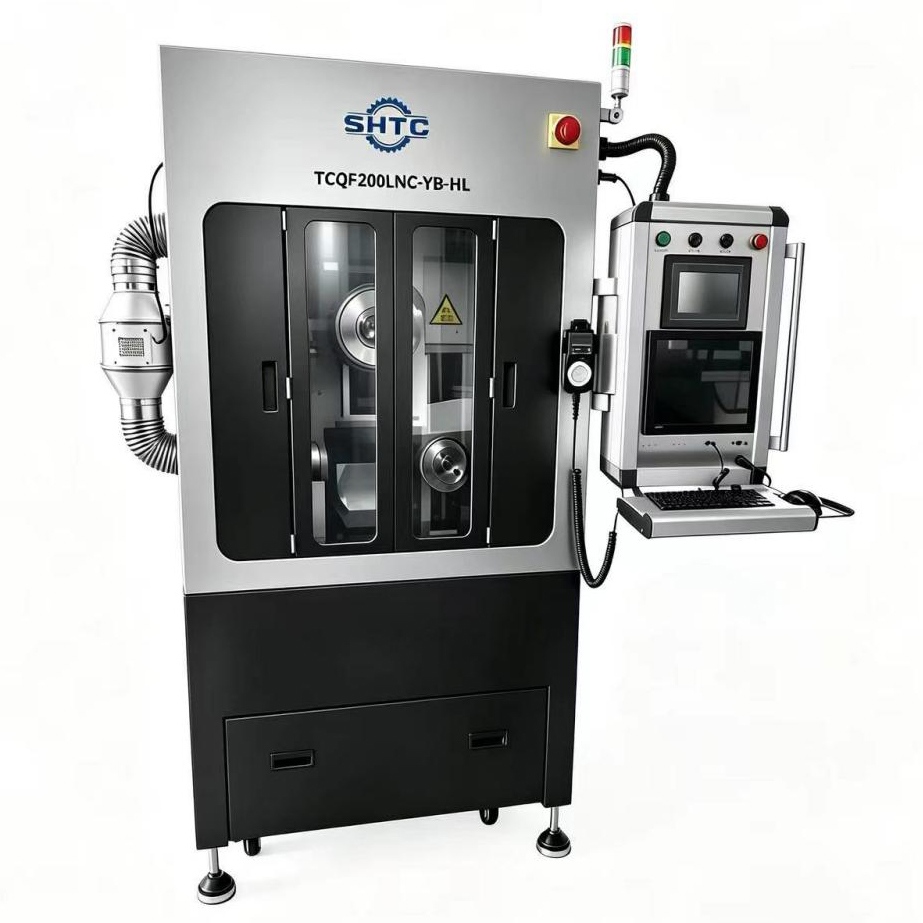
For Philippine metalworking job shops specializing in EDM electrode manufacturing, inconsistent cuts and surface degradation from conventional band saws or abrasive cutoff wheels are costly bottlenecks. This diamond ring saw delivers precision sectioning of graphite electrodes and EDM molds using a dynamically tensioned single diamond-impregnated wire—minimizing friability-induced chipping, dust generation, and micro-cracking.
Its programmable wire speed (0.1–50 mm/s) and fine-tuned tension control (0–300 N) ensure stable, vibration-free kerf formation across dense, conductive non-metallics. The X/Y axis feed rate (0.01–35 mm/s) supports repeatable, CNC-guided profiling—critical when preparing electrodes for high-tolerance sinker EDM operations.
Designed for workshop integration, it operates on standard 380V industrial power (3.2 kW), fits within typical shop floor footprints (1050×950×1820 mm), and is built with corrosion-resistant materials (Q235+SS304+6061) suited to humid tropical environments.
Purpose-built diamond ring saw for low-dust, high-accuracy sectioning of graphite electrodes and EDM molds in humid tropical workshops—optimized for Philippine job shops.
Engineered specifically for metalworking job shops in the Philippines producing EDM electrodes, this diamond ring saw replaces conventional band saws and abrasive cutoff wheels with a dynamically tensioned, single diamond-impregnated wire. It delivers clean, dimensionally stable cuts across dense graphite electrodes and EDM mold blanks—reducing friability-induced chipping, airborne dust, and subsurface micro-cracking that compromise sinker EDM performance. Programmable wire speed (0.1–50 mm/s) and precision tension control (0–300 N) ensure vibration-free kerf formation, while CNC-synchronized X/Y feed rates (0.01–35 mm/s) support high-repeatability profiling. Built for tropical workshop conditions, its corrosion-resistant frame (Q235 + SS304 + 6061) and compact footprint (1050×950×1820 mm) enable seamless integration into existing EDM production lines—all powered by standard 380V industrial supply (3.2 kW).