Descrição
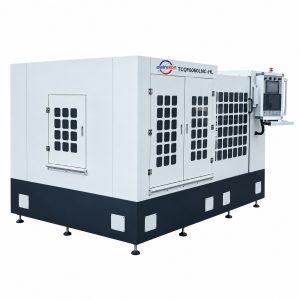
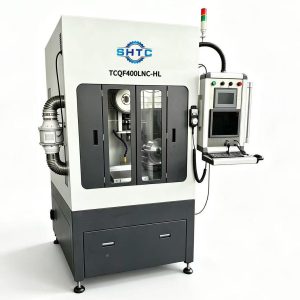
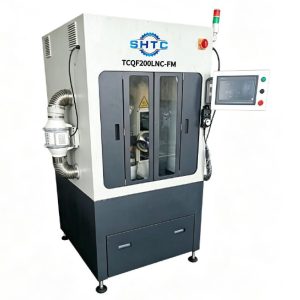
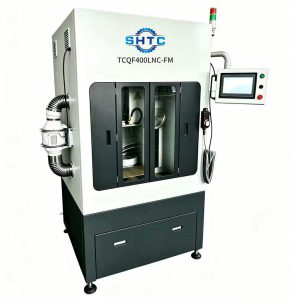
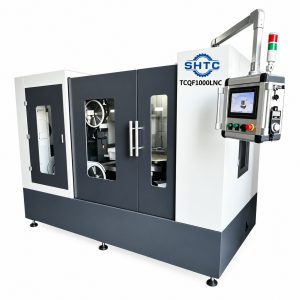
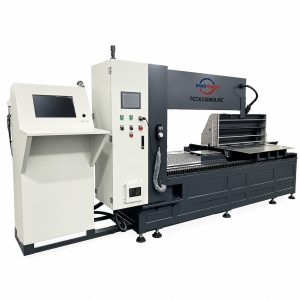
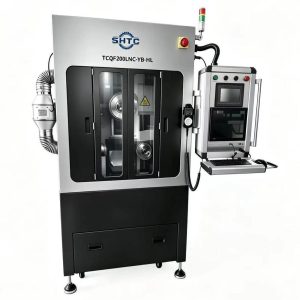
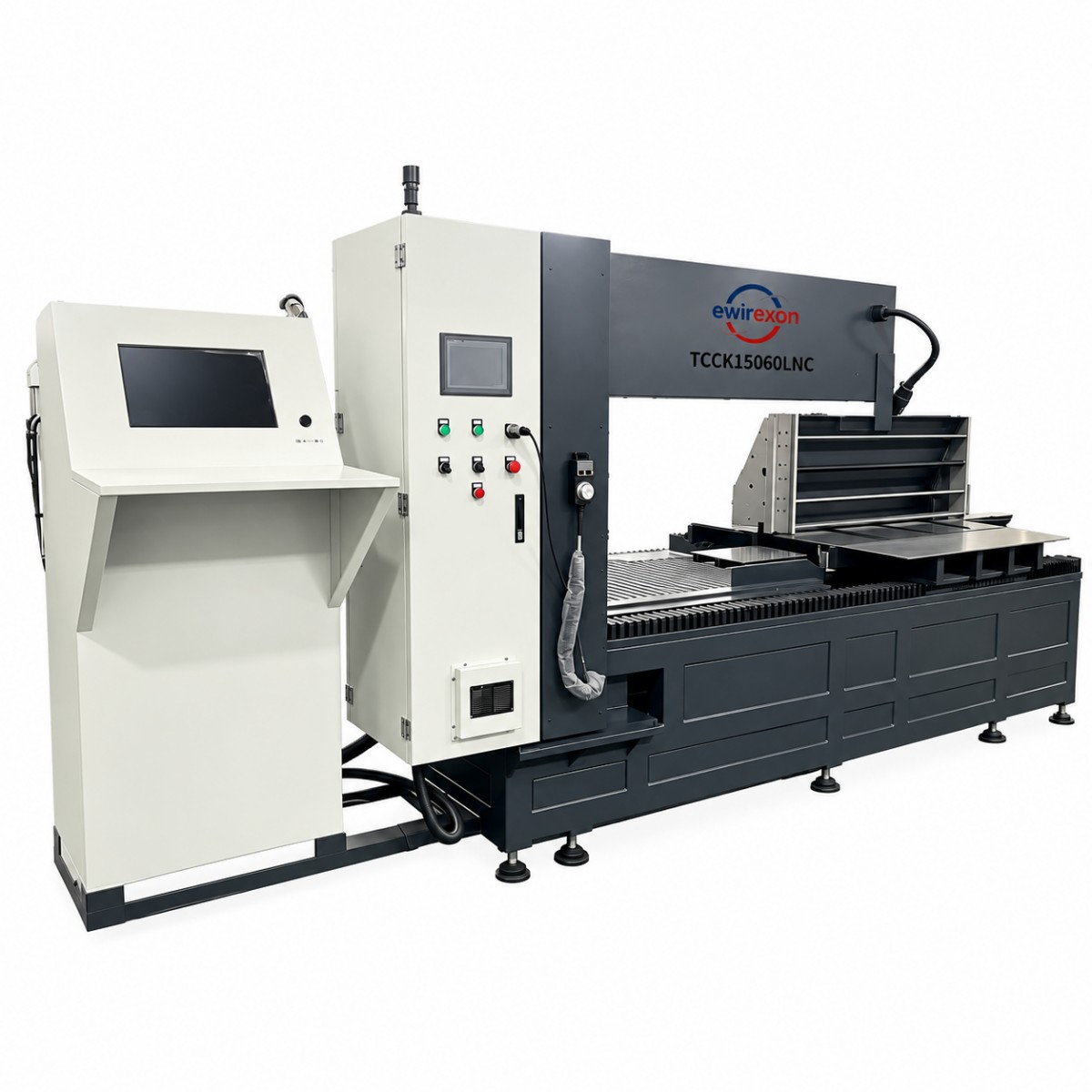
Engineered for micro-precision tasks in semiconductor packaging development, this diamond ring saw machine delivers controlled, vibration-minimized cutting of delicate packaging structures. Its single-wire architecture—paired with adjustable wire speed (0.1–35 mm/s), fine-tuned tension control (0–500 N), and sub-micron feed rates (0.01–35 mm/s on X/Y axes)—ensures clean kerfs and minimal subsurface damage to embedded die, bond wires, and fine-pitch interconnects.
Specifically validated for semiconductor packaging materials per manufacturer specification, it supports consistent processing of thermoset mold compounds, copper-based lead frames, and multilayer laminated substrates used in QFN, BGA, and fan-out wafer-level packages. The system’s rigid Q235+SS304+6061 frame and CE-certified 380V/5.6 kW drive ensure stable operation in cleanroom-adjacent R&D environments.
No retrofitting or third-party tooling required: out-of-the-box capability aligns directly with the stated application scope—’Cutting of optical glass, sapphire, precision ceramics, graphite, semiconductor packaging materials and CFRP composites.’
Ultra-precise diamond ring saw for low-damage slotting and dicing of semiconductor packaging materials—ideal for R&D labs and small-batch validation of QFN, BGA, and fan-out packages.
This diamond ring saw is purpose-built for micro-precision cutting in semiconductor packaging development. Its single-wire architecture delivers exceptional control over kerf width and subsurface damage—critical when slicing delicate structures like embedded die, bond wires, and fine-pitch interconnects. Validated for thermoset mold compounds, copper lead frames, and multilayer laminated substrates, it supports reliable processing of QFN, BGA, and fan-out wafer-level packages. The rigid hybrid frame (Q235 structural steel + stainless steel + aluminum) ensures stability in cleanroom-adjacent lab environments, while CE-certified 380V/5.6 kW operation meets industrial safety standards. No retrofitting or third-party tooling is needed—out-of-the-box capability aligns directly with demanding R&D and small-batch packaging validation requirements.