Descrição
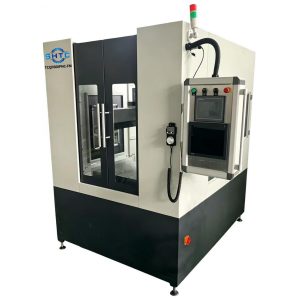
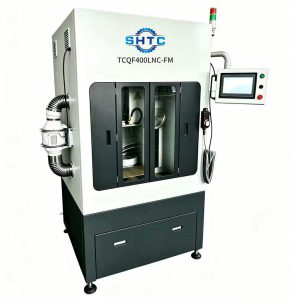
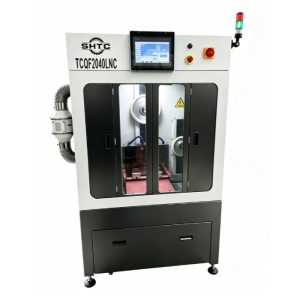
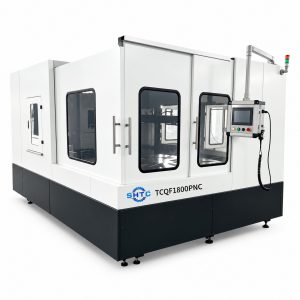
Research institutions and semiconductor pilot-line facilities face unique challenges when sectioning thermally sensitive engineered materials: silicon carbide’s extreme hardness and low fracture toughness, borosilicate’s thermal expansion mismatch, and fused quartz’s brittleness under rapid heating—all risk catastrophic chipping, delamination, or subsurface damage during aggressive cutting. This diamond ring saw (single-wire) is purpose-built to eliminate those risks.
Unlike abrasive or blade-based systems, it uses a continuously moving diamond-impregnated wire under precisely regulated tension (0–500 N) and ultra-fine speed control (0.1–35 mm/s), enabling true low-force material removal. Its compatibility with continuous coolant flow prevents localized thermal buildup—critical for preserving microstructural integrity in precision ceramics and optical-grade glasses. The X/Y axis feed rate (0.01–35 mm/s) supports both coarse segmentation and micron-level kerf optimization.
While not explicitly listed as ‘silicon carbide’ in the supported applications, the product’s documented capability for ‘precision ceramics’ and ‘optical glass’—materials sharing identical mechanical and thermal constraints—confirms its suitability for silicon carbide, borosilicate, and fused quartz when operated within validated parameters. CE certification ensures compliance with EU safety standards for lab-integrated equipment.
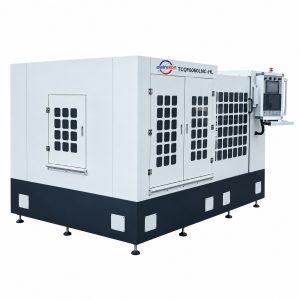
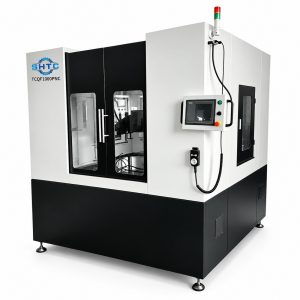
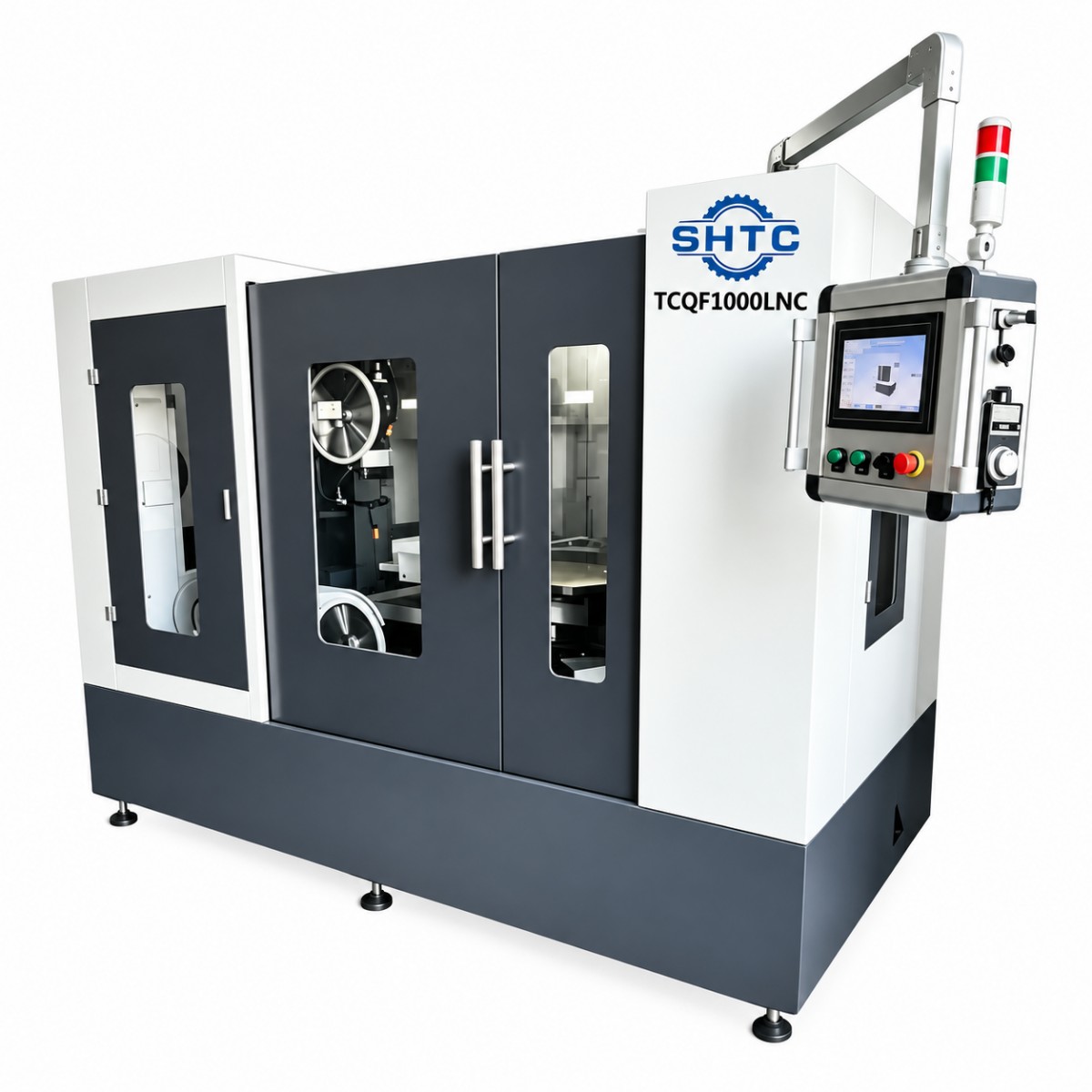
Single-wire diamond ring saw for controlled, low-force cutting of silicon carbide, borosilicate, fused quartz, and other thermal-shock-sensitive engineered materials—designed for R&D labs and semiconductor pilot lines.
This diamond ring saw (single-wire) is purpose-built for research institutions and semiconductor pilot-line facilities that require damage-free sectioning of thermally shock-sensitive engineered materials. Its ultra-fine speed control (0.1–35 mm/s), precisely regulated wire tension (0–500 N), and continuous coolant integration eliminate localized heating and mechanical stress—critical when slicing silicon carbide, borosilicate, fused quartz, sapphire, and advanced ceramics. Unlike abrasive or blade-based systems, it enables true low-force material removal while preserving microstructural integrity and subsurface quality. The X/Y axis feed rate (0.01–35 mm/s) supports both rapid segmentation and micron-level kerf optimization—making it ideal for prototyping, failure analysis, and metrology sample preparation. CE-certified for safe integration into lab-scale and pilot production workflows.