Descrição
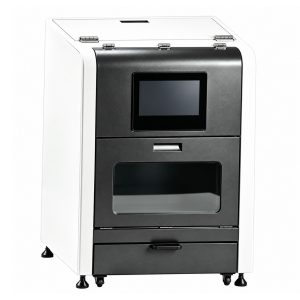
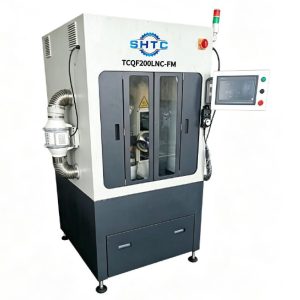
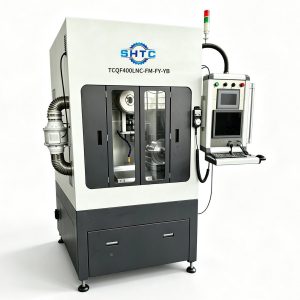
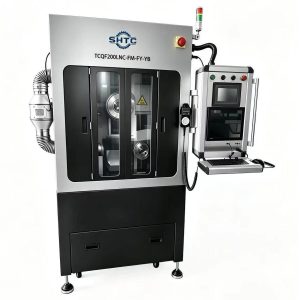
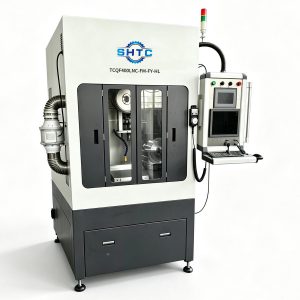
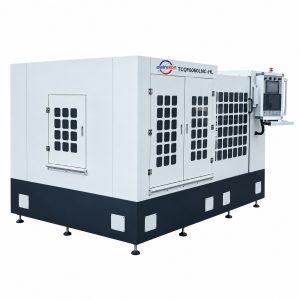
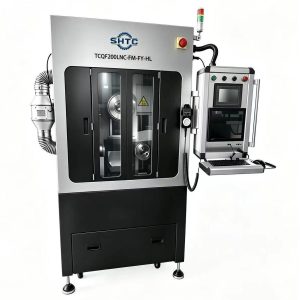
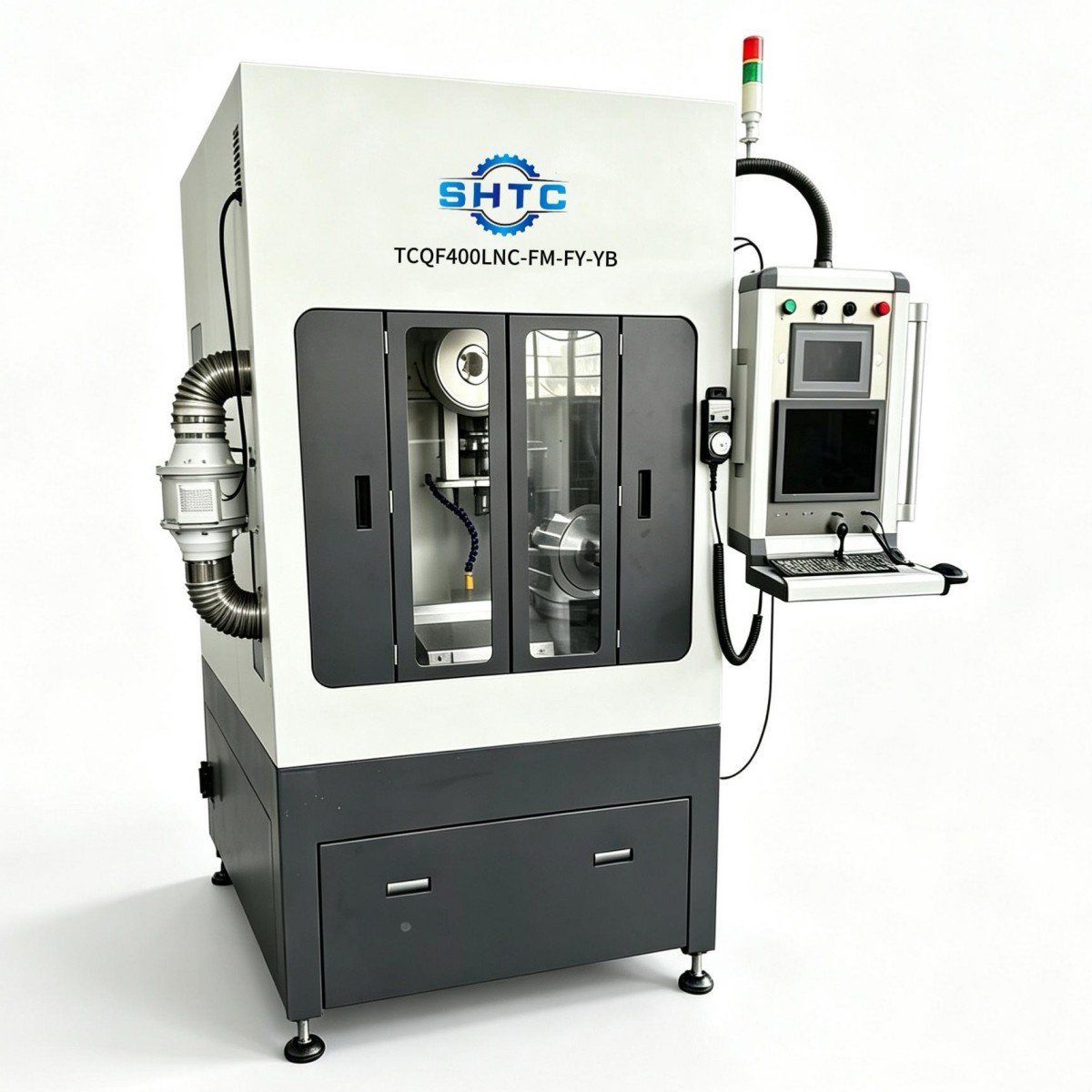
For energy materials R&D labs and specialty fabricators working with graphite, mechanical integrity during sectioning is non-negotiable. This diamond ring saw (single-wire) is purpose-optimized for the anisotropic, layered structure of graphite—enabling precise, low-force slicing without compromising structural fidelity.
Its adjustable wire speed (0.1–50 mm/s), fine-tuned tension control (0–300 N), and ultra-precise feed rates (0.01–35 mm/s on X/Y axes) allow operators to match cutting parameters to graphite grade, density, and orientation—critical when preparing samples for lithium-ion anode testing, PEM fuel cell stack assembly, or high-purity nuclear graphite qualification.
Unlike abrasive or blade-based methods, the continuous diamond-impregnated wire minimizes thermal load and mechanical shock, significantly reducing micro-cracking and interlayer delamination. The sealed Q235+SS304+6061 frame ensures vibration damping and long-term dimensional stability during extended runs—essential for repeatable metrology-grade sections.
Single-wire diamond ring saw for low-stress, high-precision graphite sectioning—minimizing delamination and micro-cracking in battery anodes, fuel cell plates, and nuclear graphite components.
This diamond ring saw is purpose-built for research and development labs advancing next-generation energy materials. Its single-wire, diamond-impregnated design delivers controlled, low-force sectioning of graphite—preserving structural integrity across anisotropic layers where conventional blades induce delamination or micro-cracking. Optimized for lithium-ion battery anode sample preparation, PEM fuel cell bipolar plate fabrication, and high-purity nuclear graphite qualification, it enables metrology-grade cuts with minimal thermal load or airborne particulate generation. The sealed hybrid frame (Q235 structural steel + SS304 + 6061 aluminum) ensures vibration damping and long-term dimensional stability during extended runs. Adjustable wire speed (0.1–50 mm/s), precise tension control (0–300 N), and fine X/Y feed rates (0.01–35 mm/s) allow real-time adaptation to graphite grade, density, and crystallographic orientation—making it indispensable for reproducible, application-critical sample preparation.