Descrizione
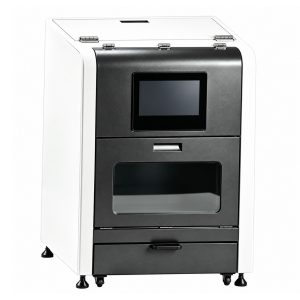
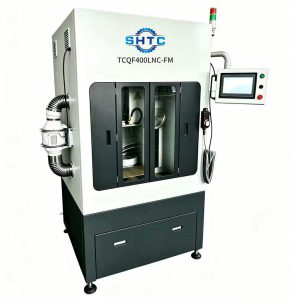
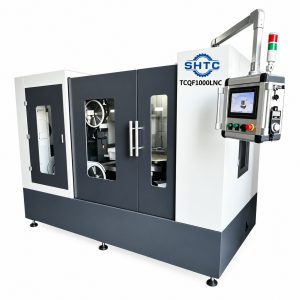
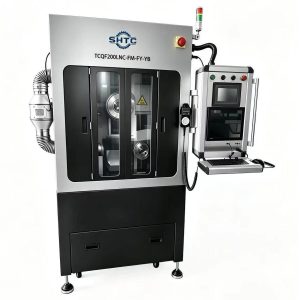
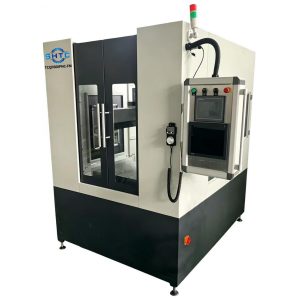
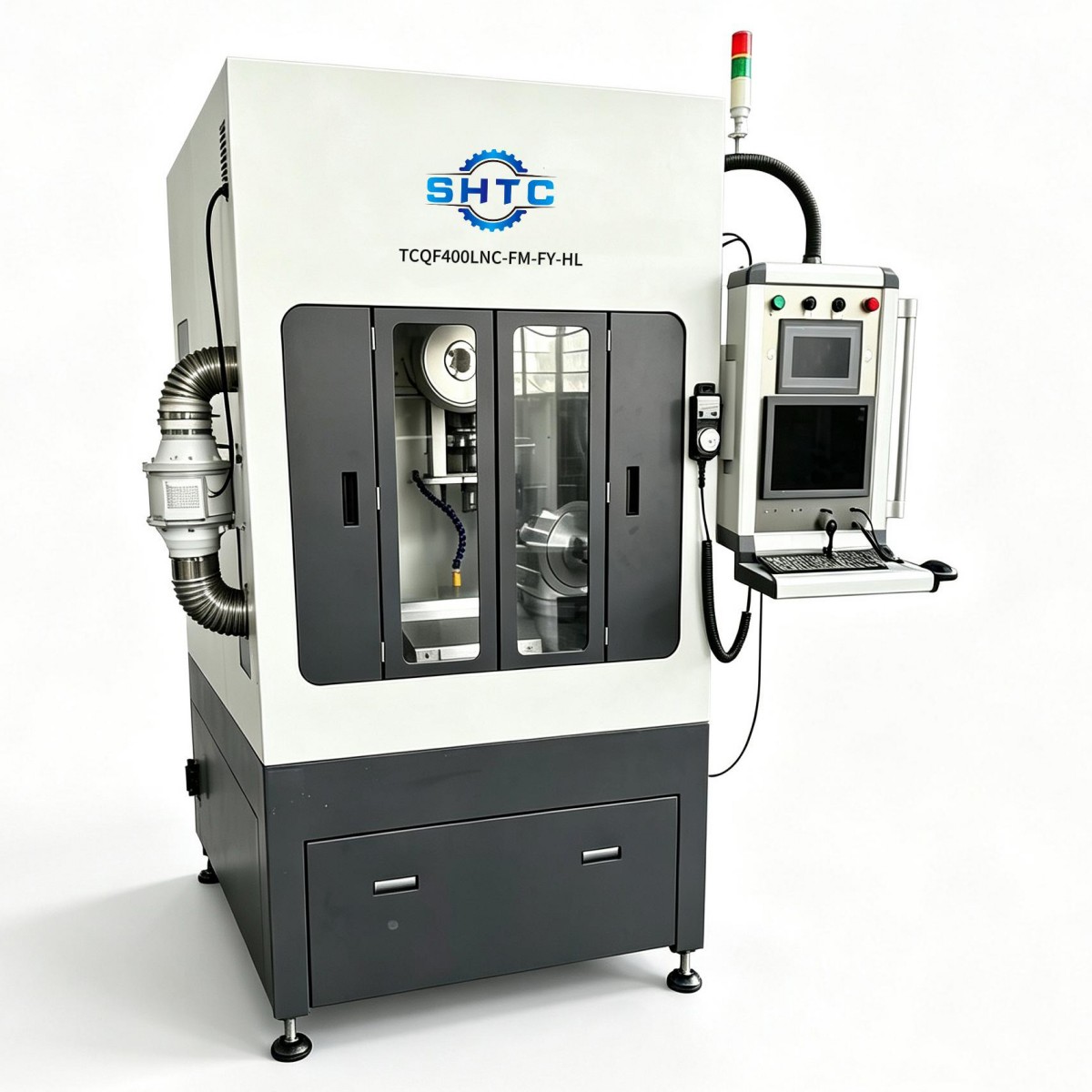
This diamond ring saw machine delivers controlled, low-stress singulation for fragile semiconductor packaging substrates where conventional high-speed dicing saws fail. Designed specifically for materials like LTCC (low-temperature co-fired ceramic), HTCC (high-temperature co-fired ceramic), silicon carbide packages, and other heterogeneous multilayer ceramics, it eliminates edge chipping at metallized traces and prevents thermal fracture or delamination during cutting.
Its ultra-fine wire speed control (0.1–50 mm/s) and precise tension regulation (0–300 N) enable gentle material engagement, while the rigid Q235+SS304+6061 frame minimizes vibration transmission. The X/Y axis feed rate (0.01–35 mm/s) supports micron-level positioning accuracy required for fine-pitch substrate segmentation. With a compact footprint (1050×950×1960 mm) and 3.2 kW power draw at 380 V, it integrates into cleanroom-adjacent fabrication environments without requiring structural reinforcement.
As confirmed by its official application scope, this saw machine is explicitly rated for ‘cutting of semiconductor packaging materials’ — making it a purpose-fit solution for R&D labs and pilot lines handling next-generation ceramic-integrated packaging.
CE-certified low-vibration diamond ring saw for precision singulation of LTCC, HTCC, SiC, and multilayer ceramic semiconductor packaging substrates—eliminates chipping, thermal stress, and delamination.
This CE-certified diamond ring saw delivers controlled, low-stress singulation for fragile semiconductor packaging substrates where conventional high-speed dicing saws risk damage. It is purpose-built for brittle, heterogeneous materials—including LTCC and HTCC ceramics, silicon carbide packages, and multilayer ceramic substrates—ensuring clean cuts without edge chipping at metallized traces, thermal fracture, or interlayer delamination.
Ultra-fine control over wire speed (0.1–50 mm/s) and tension (0–300 N), combined with micron-accurate X/Y feed rates (0.01–35 mm/s), enables gentle material engagement and repeatable segmentation of fine-pitch substrates. Its rigid hybrid frame (Q235 structural steel, SS304, and 6061 aluminum) suppresses vibration transmission, while its compact footprint (1050 × 950 × 1960 mm) and 3.2 kW power draw support integration into cleanroom-adjacent fabrication spaces without structural modification.
Widely deployed in R&D labs and pilot lines developing advanced ceramic-integrated packaging, this machine supports next-generation applications in power electronics, RF modules, MEMS, and high-reliability microsystems.